Diplomatic Shake-Up: State Department Faces Major Downsizing
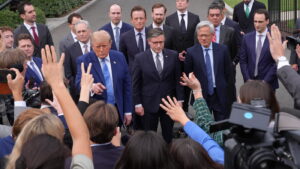
The State Department is undergoing a significant transformation under Secretary of State Marco Rubio, who is acting on his promise to streamline the agency by reducing its workforce. This move, aimed at trimming the department’s staff by 15%, will result in over a thousand layoffs, a decision that has sparked widespread debate and concern among diplomatic circles.
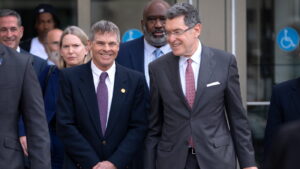
Nicholas Burns, a veteran career diplomat with extensive experience, including roles as U.S. ambassador to NATO and China, has expressed his deep concern over these developments. In a recent interview with NPR’s Scott Simon, Burns shared his dismay at the mass layoffs, describing them as a “serious mistake” that could weaken the United States’ global standing.
Rubio has criticized the bureaucracy within the State Department, citing an example where 40 different approvals were required for a single decision memo. He argues that such inefficiencies justify the drastic reduction in staff. However, Burns challenges this rationale, suggesting that the real impact will be the loss of valuable expertise in areas like counterterrorism, nuclear policy, and international relations with major powers such as China and Russia.
Burns emphasizes the nonpartisan nature of the foreign service, noting, “Our diplomats are doing really vital work. They are counterterrorism experts. They are nuclear weapons specialists… and they’re AI experts.” He advocates for the retention of experienced diplomats who have dedicated their lives to serving the nation, regardless of the administration in power.
While Secretary Rubio aims to reduce what he sees as radical political ideologies within the department, Burns argues that the elimination of offices focused on human rights and women’s rights undermines important U.S. values. He suggests that the administration’s approach to downsizing is more about cutting government size rather than addressing actual inefficiencies.
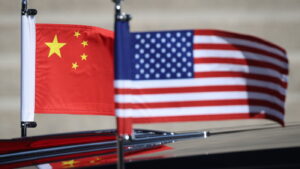
Amid these changes, Burns warns of the potential global repercussions. He highlights the need for skilled diplomacy, especially when the U.S. is engaged in complex international issues such as the war in Ukraine, tensions in the Middle East, and competition with China. “We have to be involved. We have to do it smartly,” Burns asserts, pointing to historical lessons that underscore the necessity of U.S. engagement on the world stage.
Despite Rubio’s belief that a leaner diplomatic corps will enhance U.S. responsiveness, Burns contends that the department is already understaffed. He recalls his experiences in China and as undersecretary of state, where the shortage of diplomats was evident. The cuts, combined with the dismantling of the U.S. Agency for International Development, could significantly weaken America’s diplomatic capabilities when they are most needed.
The debate over the State Department’s restructuring continues, with Burns calling for a reconsideration of the cuts. He hopes that Republican members of Congress will recognize the critical importance of maintaining strong diplomatic efforts alongside military strength.
For further details, listen to the full interview with Nicholas Burns on NPR’s website here.