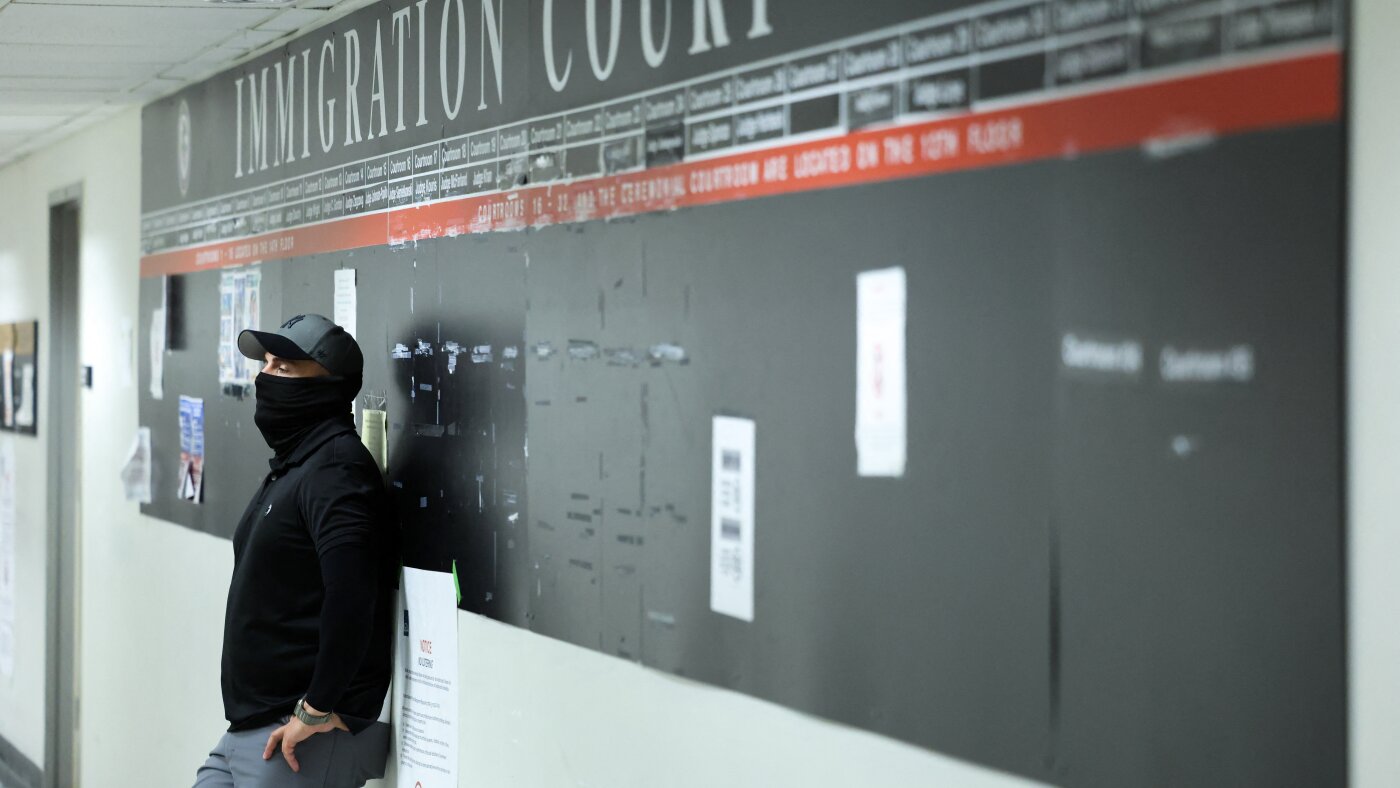
Immigration Courts Speed Up Hearings, Sparking Concerns Among Lawyers
In a bid to expedite deportation proceedings, immigration courts under the Justice Department are implementing a new approach that involves scheduling hearings for large groups of immigrants simultaneously. This tactic, recently disclosed by immigration attorneys and the American Immigration Lawyers Association (AILA), is raising concerns about due process.
Traditionally, master calendar hearings involved two to three dozen immigrants, but the new “mega masters” approach sees more than 100 individuals scheduled at once. These hearings often serve as the first opportunity for immigrants to plead their case to remain in the United States.
Legal professionals argue that this strategy disproportionately affects individuals without legal representation. Vanessa Dojaquez-Torres from AILA highlights the risk of immigrants not receiving adequate notice, stating, “The major concern is that [since] this is going to be a group of people without attorneys, that they’re not going to have gotten proper notice.” The Executive Office for Immigration Review, which administers these courts, has not commented on this approach.
Challenges in Attendance and Due Process
The practice has been initiated in cities like Chicago, Boston, and Chelmsford, Massachusetts, and is expected to commence in Dallas soon. This development aligns with President Trump’s objective to increase deportations, aiming for one million annually, a significant rise from the 600,000 deportations recorded in 2025.
When immigrants fail to attend their scheduled hearings, judges can issue removal orders, allowing for detention and deportation. These orders are increasingly common, with many individuals avoiding court for fear of detention.
Concerns are mounting that immigrants might not be informed about rescheduled hearings, leading to missed court appearances. Dojaquez-Torres notes the lack of proper notifications, both via mail and digitally, leaving those not regularly checking online accounts vulnerable to unexpected changes.
Implications for Immigration Courts
This accelerated scheduling impacts people with hearings originally set for 2027, 2028, or 2029. A Texas-based immigration attorney, speaking anonymously, warns of potential court overloads if individuals do attend these mass hearings.
While some clients may benefit from expedited cases, the lack of legal representation for most immigrants means these benefits are limited. The DOJ’s recent initiative to hire 77 new judges and five temporary military lawyers is part of its effort to handle the surge in cases. This is the largest class of immigration judges ever appointed in a single fiscal year.
Despite these hires, the department recently terminated several judges, particularly those with backgrounds in representing immigrant clients. Acting Attorney General Todd Blanche stated, “The Trump administration is committed to reestablishing an immigration judge corps that is dedicated to restoring the rule to the law in our nation’s immigration system.”