Department of Justice Revives Gun Rights Restoration Program with a Notable Inclusion
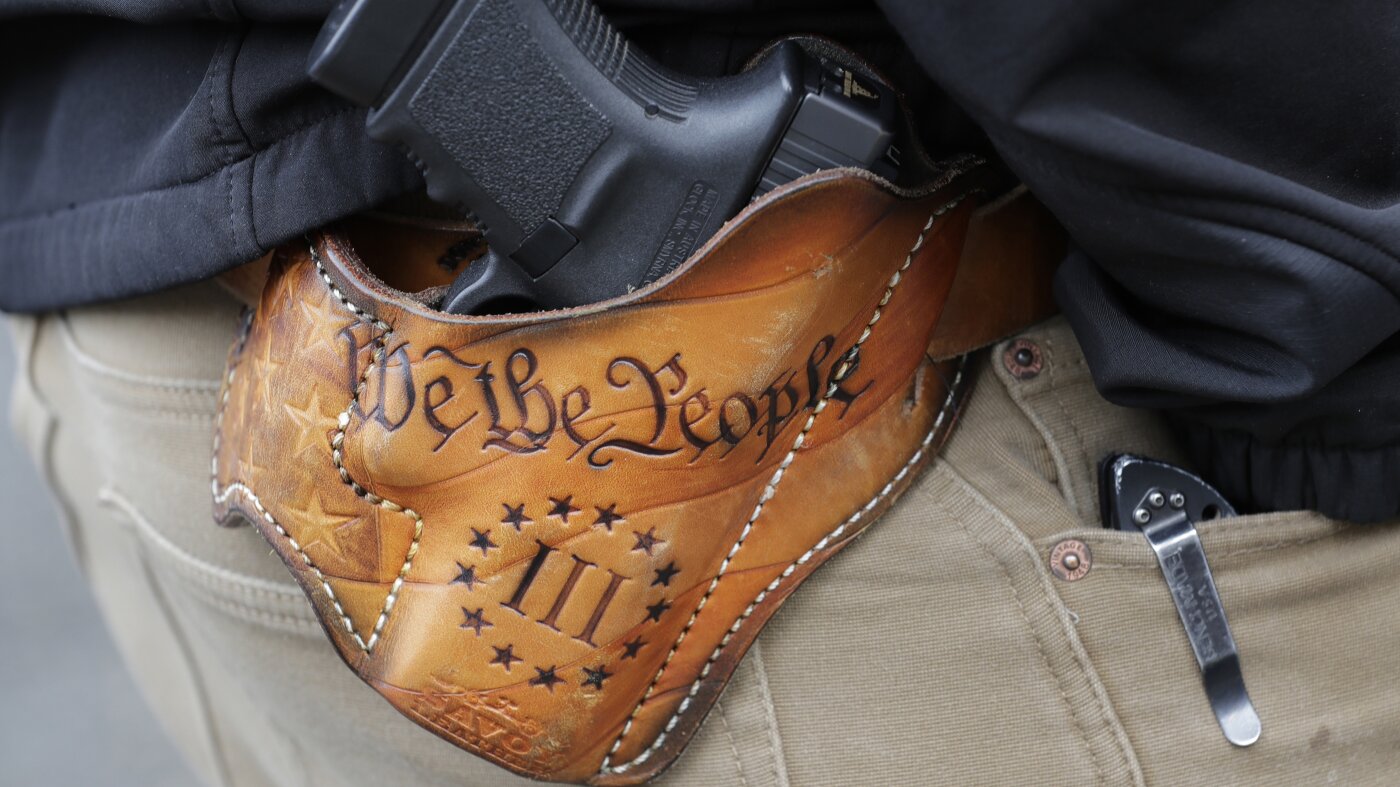
The Department of Justice (DOJ) has recently made headlines by restoring federal gun rights to 22 individuals, a move that has sparked considerable attention and debate. This development marks the revival of a program that had been inactive for over 30 years, aimed at allowing people with specific felony convictions to regain their Second Amendment rights.
Most of the individuals named in the Federal Register had long-standing felony convictions, some dating back decades. However, the inclusion of Jake Hoffman, a Republican Arizona State Senator recently indicted for his role as a fake elector in the 2020 election, stands out. Hoffman was pardoned by President Trump in 2025, yet he remains the only individual on the list without a historical conviction.
The DOJ’s move comes in the wake of the landmark 2022 Supreme Court case, New York State Rifle & Pistol Association v. Bruen, which challenged several gun laws, including those restricting firearm ownership by felons. This ruling has prompted a reevaluation of federal gun rights policies.
The restored rights are part of an initiative to address what the DOJ describes as a “disability,” reinstating firearm privileges to those no longer considered threats to public safety. The department stated, “For most recipients, these nonviolent offenses were their only crimes, and nearly all committed these crimes over 20 years ago.” The DOJ clarified that none of the individuals have faced further criminal charges since their initial convictions.
Concerns Over Transparency and Potential Loopholes
Despite the DOJ’s assurances, the decision has garnered criticism from gun control advocates who argue the process lacks transparency. Kris Brown, president of Brady United, a gun violence prevention group, expressed concern that the inclusion of Hoffman might indicate political bias, suggesting, “Whether the evaluation [to get gun rights restored] is how much you’ve given to Trump, or how much you’re planning to curry favor with him.”
The DOJ plans to introduce an online application portal for future cases, although details about the selection criteria remain sparse. Critics worry that the program could inadvertently allow violent offenders to regain firearm access, as was the case before Congress halted the program in 1992 following reports of recidivism among restored individuals.
Program Workaround and Legislative Concerns
In 2025, the DOJ bypassed congressional restrictions from 1992 by asserting that the authority to restore gun rights rests with the Attorney General, not the ATF, which is a DOJ agency. This maneuver has raised legal questions, with Democratic lawmakers accusing Attorney General Pam Bondi of violating federal law. However, the DOJ maintains its actions are lawful.
Law professor Dru Stevenson noted that while the program’s revival raises eyebrows, it provides a more thorough review process than the courts. “This is the type of thing that bureaucrats are good at: Getting a file, asking for verification, collecting records,” he explained.
The Case of Jake Hoffman
Hoffman’s inclusion remains contentious, given his ongoing legal battles related to the 2020 election. Unlike the others on the list, Hoffman has not served jail time nor lived without firearm access for an extended period. The DOJ justified his inclusion by stating it was “not contrary to public interest,” though specifics were not disclosed.
For many recipients, including Nick Sabatine, a 74-year-old lawyer from Pennsylvania, regaining gun rights is a welcome relief. Sabatine, who was convicted of a nonviolent offense over a decade ago, expressed gratitude at the opportunity to hunt again.
As the DOJ continues to refine its process, the debate over gun rights restoration is likely to persist, with questions about transparency and political influence at the forefront.