A New Political Era in Nepal: Ex-Rapper’s Party Poised for Sweeping Victory
KATHMANDU, Nepal — In a remarkable twist in Nepal’s political landscape, a newly formed political party led by a former rapper is on the brink of a historic triumph in the country’s parliamentary elections. This marks the first election since a wave of Gen Z-led protests uprooted the long-standing political hierarchy.
The Rastriya Swatantra Party (RSP), or National Independent Party, has quickly risen to prominence since its inception four years ago. As of Sunday morning, it had secured 103 out of 165 directly elected seats, with leads in 21 additional constituencies, according to the Nepal Election Commission.
As vote counting continued on Sunday, the remaining seats saw other parties and independent candidates capturing a total of 27 seats. Final results are anticipated later this week.
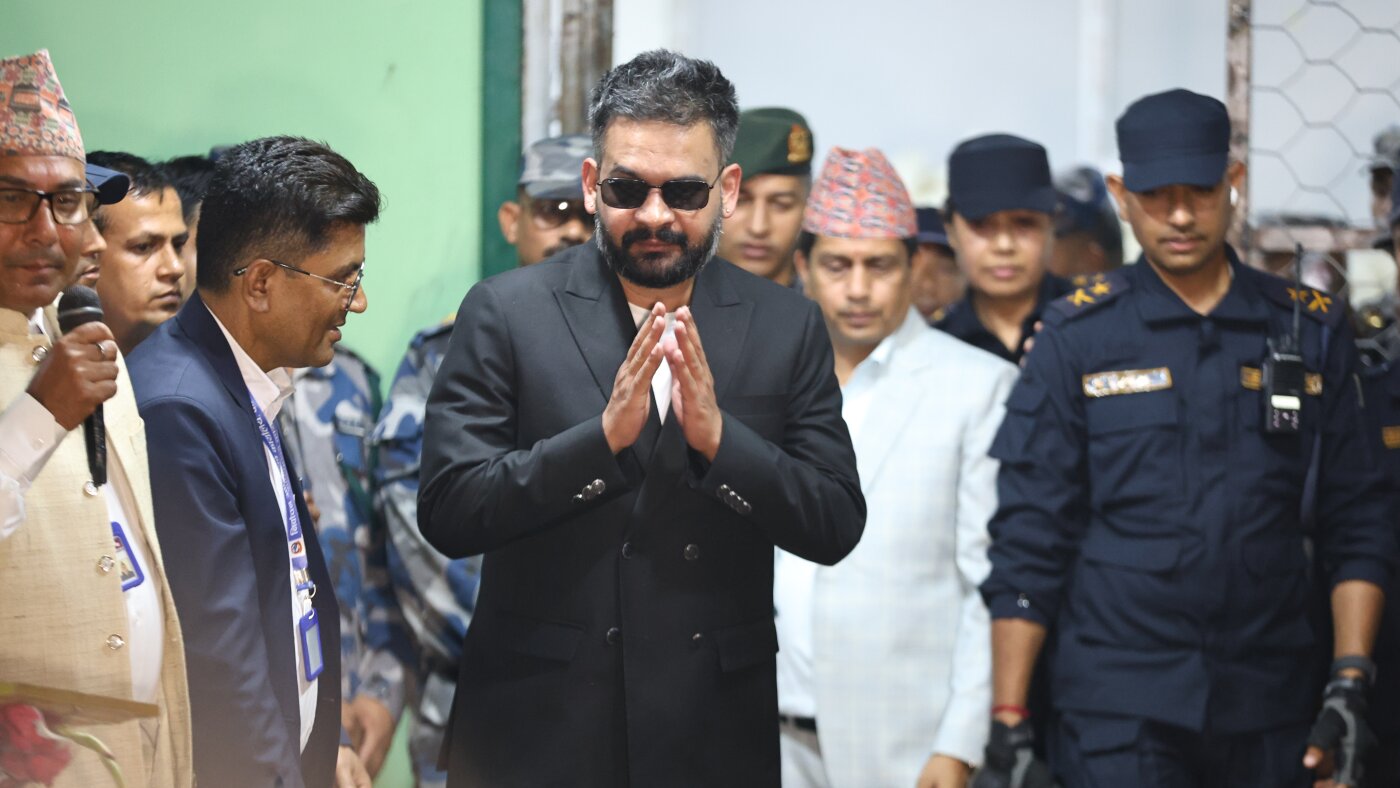
Balendra Shah, a former rapper who transitioned into politics and became the mayor of Kathmandu in 2022, is the party’s prime ministerial hopeful. Shah was a key figure in the 2025 uprising that removed former Prime Minister Khadga Prasad Oli from power.
Nepal’s electoral system involves voters directly electing 165 members to the House of Representatives, the lower chamber of the national Parliament. The remaining 110 seats are filled through proportional representation, with parties obtaining seats based on their proportion of the vote. On Sunday, the RSP was also leading in this category, capturing around 51% of the 110 seats available.
The RSP’s emergence has disrupted the longstanding political dominance of the Nepali Congress and the Communist Party of Nepal (Unified Marxist-Leninist), who have alternated in governing the country. Local media outlets have hailed the RSP’s success as a landmark event, with headlines such as “RSP set for a landslide victory” by The Himalayan Times and “People’s ballot revolt; shift in political paradigm” by Annapurna Post.
Celebrations erupted among RSP supporters in various constituencies, with victorious candidates being adorned with flower garlands, bouquets, scarves, and red vermilion powder. Nevertheless, party officials have urged candidates and supporters to forgo public celebrations, honoring the memory of those who lost their lives during last year’s protests.
Nepal’s voters use two ballots: one to select a candidate, typically a party nominee, and another to choose a preferred party. The RSP appears to have secured over half the directly elected seats, and results from the second ballot show the party garnering more than 50% of the vote. This positions them to form a government, requiring support from at least half of the lower chamber’s members.
The catalyst for last year’s protests was a social media ban, which escalated into a nationwide outcry against corruption and misgovernance. The resulting clashes between protesters and police resulted in dozens of deaths and hundreds of injuries as government buildings were targeted and law enforcement responded with force.