California’s Redistricting Map Survives Legal Challenge, Paving Way for Potential Political Shift
In a significant legal development, a federal court has upheld California’s newly approved congressional map, offering Democrats a strategic tool to counter Republican-led redistricting efforts spearheaded by former President Trump.
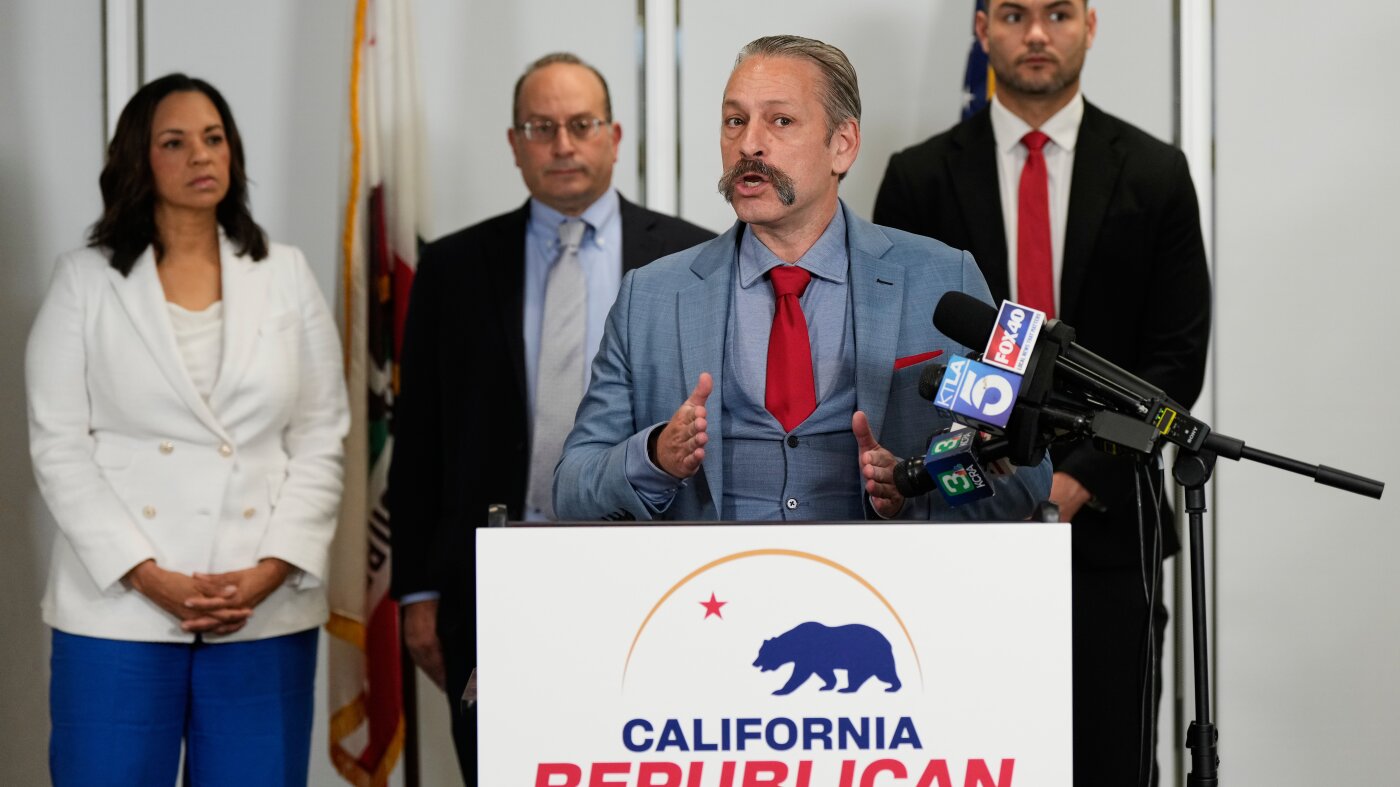
The legal battle was initiated by the California Republican Party in conjunction with the U.S. Department of Justice. They challenged the map, asserting it was crafted to enhance Latino voting influence, constituting racial gerrymandering. However, the court’s two-to-one decision refuted this claim, noting that Proposition 50, the redistricting measure, was voter-approved without racial motivations.
U.S. District Judge Josephine L. Staton, writing for the majority, remarked, “The evidence presented reflects that Proposition 50 was exactly what it was billed as: a political gerrymander designed to flip five Republican-held seats to the Democrats.” Despite the ruling, Republicans retain the option to appeal the decision.
Proposition 50 emerged as a response to Trump’s mid-decade redistricting push, which commenced in Texas, aiming to secure additional seats for Republicans in the upcoming 2026 elections. Following Texas’s lead, California Democrats, under Governor Gavin Newsom’s guidance, sought to redraw their state’s districts, which passed with 64% voter approval in a special election.
Democratic Response to Trump
For California Democrats, redistricting is less about geographical boundaries and more about challenging Trump’s political maneuvers. Governor Newsom and his allies view the measure as a necessary counteraction to Republican strategies, intending to bolster Democratic prospects in the midterm elections.
The Republican lawsuit argued the map unlawfully favored Latino voters. Judge Kenneth Lee, dissenting and appointed by Trump, highlighted that the map’s designer publicly aimed to enhance Latino electoral strength. However, the majority opinion credited the map’s approval to voter choice, focusing on its partisan nature.
Judge Staton, appointed by President Obama, noted the lack of evidence supporting racial bias, emphasizing that “the voters intended to enact a partisan gerrymander.” Governor Newsom praised the court’s decision, labeling Republican efforts as a failed attempt to undermine voter intent.
As the redistricting landscape evolves, Republicans remain slightly ahead in altering district maps to their advantage. Indiana Republicans recently declined to redistrict, whereas Florida’s Governor Ron DeSantis plans to pursue GOP-favorable changes. Meanwhile, Virginia Democrats are initiating their own redistricting efforts to consolidate party strength.
The current political balance in the U.S. House stands at 218 Republicans to 213 Democrats. Should Democrats gain control, they could potentially impede Trump’s agenda and initiate inquiries into his administration’s activities.
Laura Fitzgerald covers California politics for CapRadio. Larry Kaplow is with NPR.