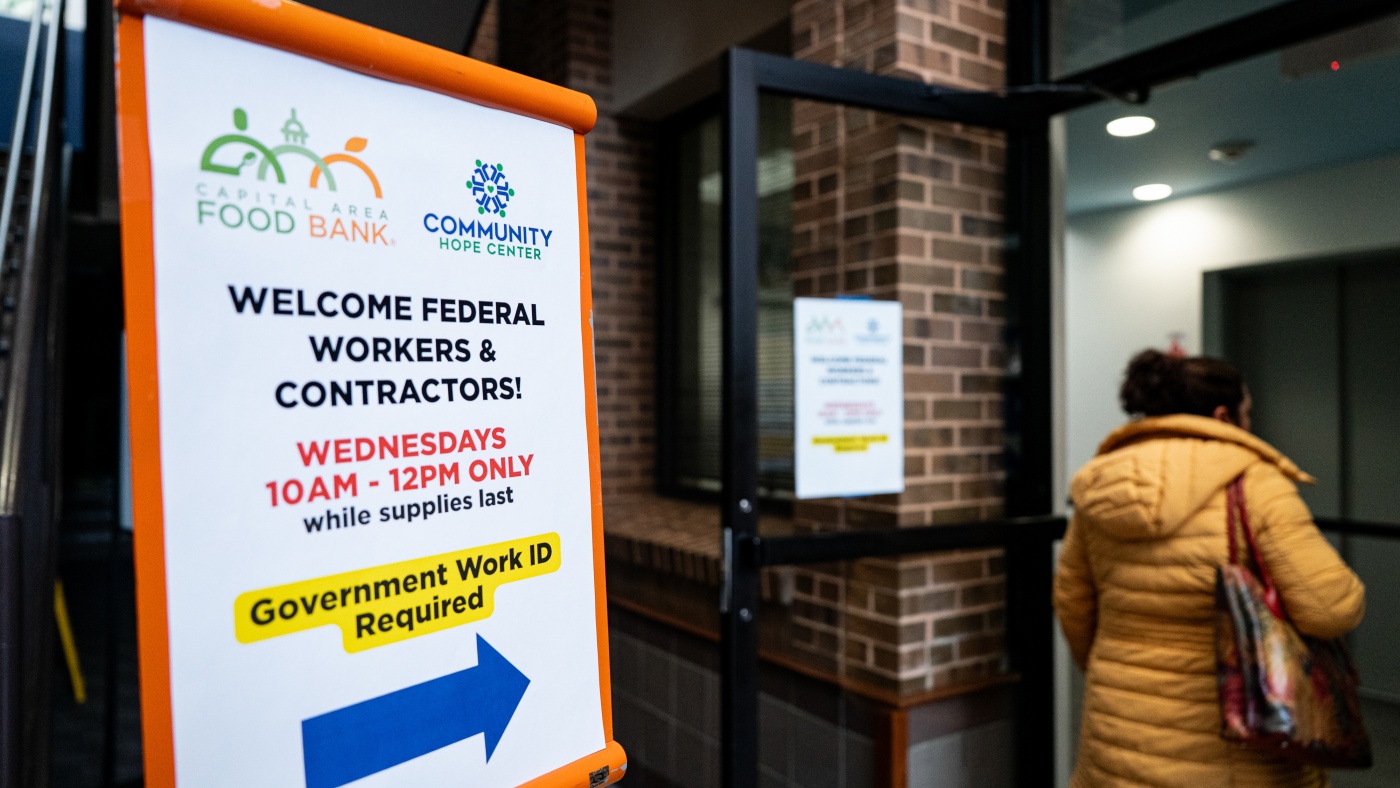
Federal Shutdown Woes: Food Aid, Federal Workers, and National Parks
The ongoing federal government shutdown has left the nation in a state of uncertainty, affecting millions of Americans who rely on federal services and benefits. As the shutdown lingers, both political parties remain at an impasse, with no resolution in sight.
Federal workers, including air traffic controllers, are among those who have missed paychecks, working without immediate compensation. Meanwhile, the looming deadline of November 1 threatens to exacerbate the situation as several federal assistance programs face funding shortages.
The Supplemental Nutrition Assistance Program (SNAP), which supports millions of Americans, risks losing its funding, leaving countless individuals without food assistance. Similarly, Head Start programs, aiding over 65,000 children, are also on the brink of losing financial support.
The Agriculture Department has announced plans to reopen about 2,100 county offices to help farmers access $3 billion in aid during this critical time. However, many farmers remain on edge due to the potential impact of the Trump administration’s trade policies.
The Partisan Stalemate
The shutdown resulted from a disagreement over extending subsidies for the Affordable Care Act (ACA) marketplaces. The standoff has seen Democrats in the Senate reject a Republican short-term funding bill that does not extend these subsidies.
As healthcare subsidies face expiration, millions who rely on ACA marketplaces for insurance could see premium hikes. Democrats are pushing for a repeal of program cuts tied to the GOP’s summer tax bill.
Federal Worker Impact
Approximately 1.4 million civilian federal employees nationwide are currently without pay. While some employees continue working under essential status, others are furloughed, awaiting the end of the shutdown to return to work.
The Trump administration has taken steps to ensure payment for some, including military members, using unused funds. However, many workers face financial strain, leading to increased reliance on food banks and other assistance.
Programs at Risk
The shutdown’s effects extend to various federal programs. Nearly 42 million SNAP beneficiaries face losing benefits, and the Women, Infants, and Children (WIC) program requires additional funding to continue past October.
Education programs like Head Start are also in jeopardy. Without federal funding, local programs face potential closures, affecting early childhood education for low-income families nationwide.
National Parks and Services
The National Park Service has halted operations, affecting park access and services. While some areas remain open to the public, regular maintenance and updates are suspended, raising safety concerns.
Efforts from local communities have helped keep some visitor centers open, such as in Salem, Mass., where community-raised funds are keeping facilities operational through Halloween.
State-Specific Impacts
The shutdown’s repercussions vary across states. Alaska’s Essential Air Service program continues through early November, while Arizona’s Grand Canyon faces funding challenges. In Pennsylvania, furloughed federal workers may seek unemployment benefits.
For more detailed state-specific impacts, visit the respective local media sources.