Protests in Iran Escalate Amid Internet Blackout and Rising Tensions
In a display of defiance against Iran’s theocratic regime, protesters have taken to the streets of Tehran and Mashhad, marking over two weeks of continuous demonstrations. The unrest has resulted in the deaths of at least 116 people, with thousands more detained, according to the U.S.-based Human Rights Activists News Agency.
The Iranian government’s decision to cut off internet access and international phone lines has made it increasingly challenging to assess the scale of the protests. Despite this, the violence continues to escalate, and international observers fear further crackdowns by Iran’s hard-line security forces.
Meanwhile, Iran’s parliamentary speaker has issued a warning, suggesting that both the U.S. military and Israel could become “legitimate targets” if the U.S. takes military action against Iran. This statement follows President Donald Trump’s threats to intervene in support of the demonstrators.
President Trump has expressed his support for the protesters, stating via social media, “Iran is looking at FREEDOM, perhaps like never before. The USA stands ready to help!!!” The State Department echoed this sentiment, warning, “Do not play games with President Trump. When he says he’ll do something, he means it.”
Parliament Rallies
During a live broadcast of Iran’s parliament session, Speaker Qalibaf praised the police and the paramilitary Revolutionary Guard for their efforts in controlling the protests. He further threatened preemptive strikes against U.S. and Israeli targets in response to any perceived threats.
“In the event of an attack on Iran, both the occupied territory and all American military centers, bases and ships in the region will be our legitimate targets,” Qalibaf declared, emphasizing Iran’s readiness to respond to any threats.
Protests in Tehran and Mashhad
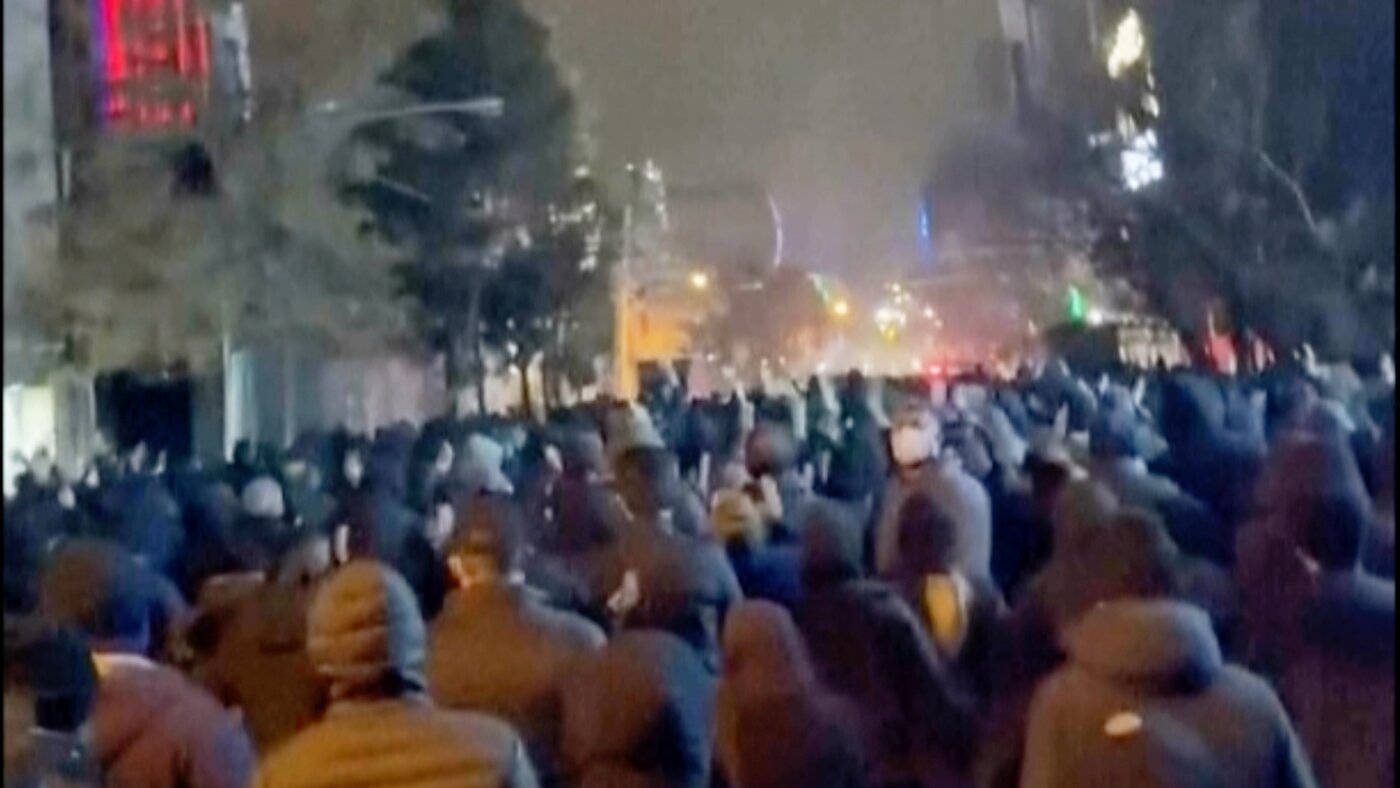
Despite the communication blackout, videos have emerged showing protesters gathering in Tehran’s Punak neighborhood, where they waved lit mobile phones and set off fireworks. In Mashhad, scenes of confrontation with security forces were captured, with flaming debris blocking roads.
The demonstrations have also spread to Kerman, highlighting the widespread discontent across the nation. Iranian state television has attempted to counter these reports by broadcasting images of calm streets and pro-government gatherings in other cities.
Iranian authorities have signaled a tougher stance against the protests. Iran’s attorney general has warned that participants in the demonstrations could face charges of being an “enemy of God,” potentially leading to severe penalties, including the death penalty.
More Demonstrations Planned
Despite the government’s efforts to suppress the protests, calls for continued demonstrations persist. Iran’s exiled Crown Prince Reza Pahlavi has urged citizens to take to the streets, using national symbols from the time of the shah to reclaim public spaces.
The protests initially erupted over the devaluation of Iran’s currency, the rial, amid ongoing economic hardship exacerbated by international sanctions. However, they have since evolved into a broader challenge to Iran’s theocracy, reflecting widespread dissatisfaction with the current regime.