The Controversial Suspension of Jimmy Kimmel: A Clash of Free Speech and Government Influence
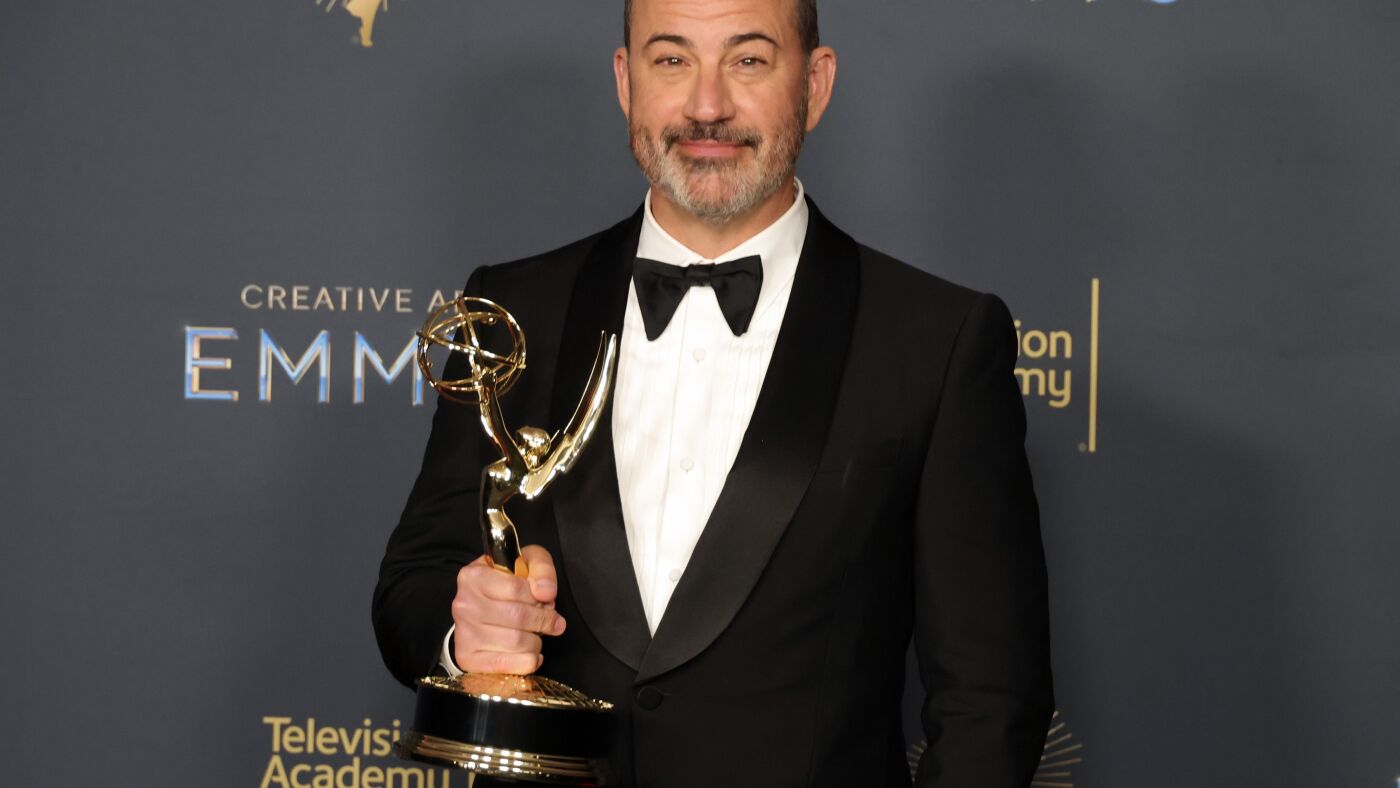
In a surprising turn of events, ABC has indefinitely suspended Jimmy Kimmel’s late-night show following his remarks concerning the killing of conservative activist Charlie Kirk. This decision has sparked an intense debate about the boundaries between free speech and governmental pressure.
Evelyn Douek, a First Amendment scholar, expressed her shock at ABC’s move, describing it as a clear case of “hypocrisy.” Douek, who closely monitors “jawboning”—a term used to describe when government officials press private entities to limit speech—believes this situation embodies what the Cato Institute refers to as “censorship by proxy.”
For context, Republicans have long criticized social media platforms for supposedly succumbing to pressure from the Biden administration to remove Covid misinformation. This ongoing tension has led to numerous online attacks and congressional hearings. Now, similar accusations are being directed at the Trump administration’s Federal Communications Commission (FCC), which is believed to have coerced ABC into taking action against Kimmel.
The episode has been compared to CBS’s cancellation of Stephen Colbert’s The Late Show, a program known for its satirical takes on President Trump. These incidents have raised concerns among free speech advocates, who fear that the current administration might be leveraging federal power to suppress political speech.
ABC’s Decision and FCC’s Role
FCC Chairman Brendan Carr has previously defended the rights of broadcast stations to decide what aligns with public interest. Carr remarked on X, formerly known as Twitter, that stations have the right to refuse national programs that don’t match their community values.
However, Gigi Sohn, a former senior advisor to the FCC, attributes Kimmel’s suspension to a broader issue of media consolidation. She argues that when media control is concentrated among a few companies, it becomes easier for authoritarian figures to exert influence over them.
What Prompted Kimmel’s Suspension?
The controversy began when Kimmel made comments about the suspect in Charlie Kirk’s killing during his Monday night monologue. Kimmel criticized attempts to portray the suspect, Tyler Robinson, as unrelated to the MAGA movement. Although authorities claim Robinson targeted Kirk for his conservative views, the full scope of Robinson’s political ideology remains unclear.
Following these remarks, Carr appeared on a podcast, suggesting that networks could either take action against Kimmel or face further scrutiny from the FCC. Hours later, major broadcast groups, including Nexstar and Sinclair, decided to pull Kimmel’s show.
Legal Implications and Future Concerns
Legal experts suggest that Kimmel’s suspension could lead to a high-profile First Amendment lawsuit. Alex Abdo, from the Knight First Amendment Institute, points out that while the government can attempt to persuade a broadcaster, coercion is prohibited. He describes the current situation as a “prime example” of potential government censorship.
The Supreme Court has previously dealt with similar issues, notably in a case involving the Biden administration and social media companies. The court ruled that a direct link between government action and speech suppression must be established to prove a First Amendment violation.
Jennifer Huddleston of the Cato Institute warns that if Kimmel’s suspension sets a precedent, it could have a chilling effect on political discourse, leading networks to tone down their content to avoid government backlash.
President Trump has publicly supported Kimmel’s suspension, urging NBC to cancel other political shows. Meanwhile, the future remains uncertain for Kimmel, who may face a tough battle to regain his platform, even if he has a strong legal case.