Special Elections Ordered for Mississippi Supreme Court Amid Voting Rights Debate
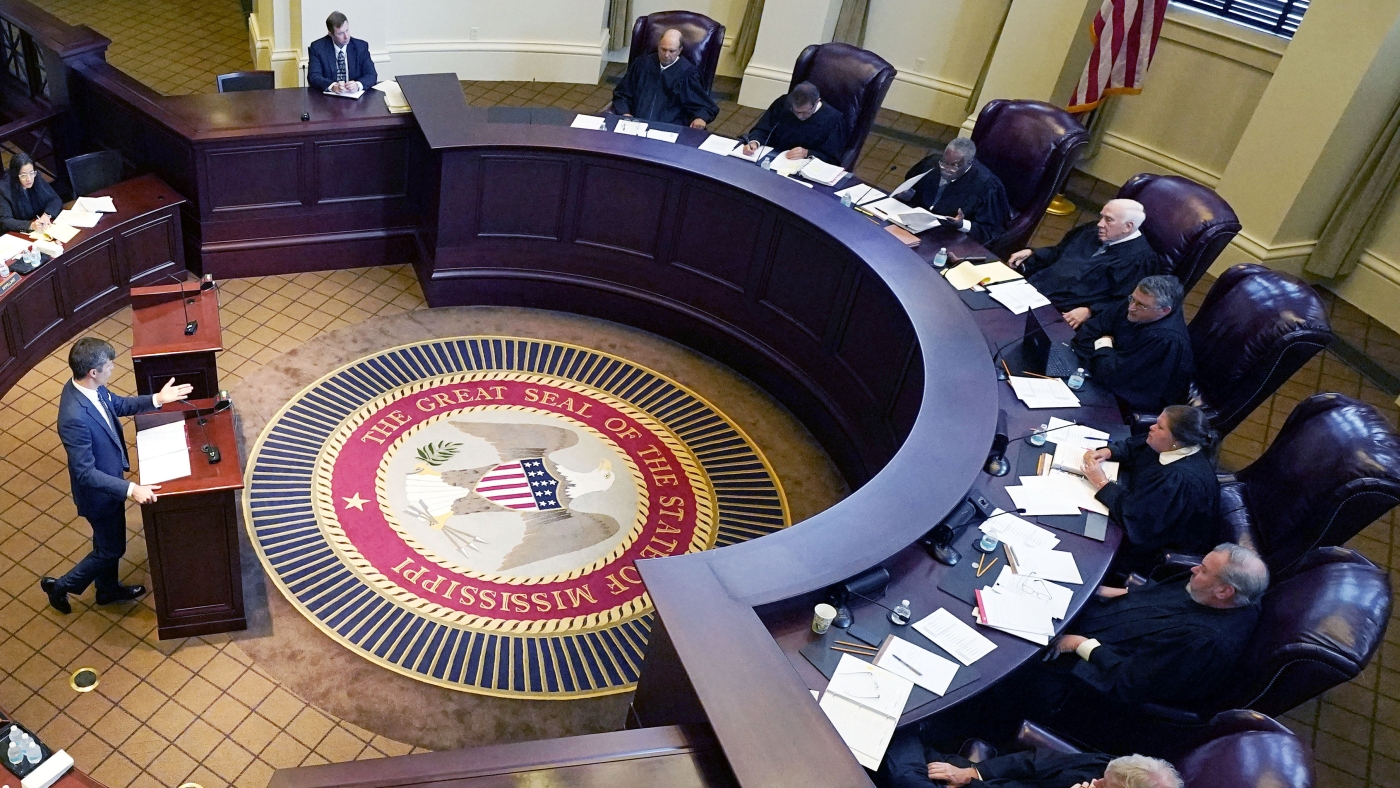
In a significant legal development, a federal judge has mandated special elections for the Mississippi Supreme Court, citing a violation of the Voting Rights Act. This decision follows a previous ruling which declared that the electoral map, in use since 1987, unfairly diminishes the influence of Black voters.
U.S. District Judge Sharion Aycock delivered the August ruling, insisting that Mississippi must redraw its Supreme Court electoral map. The deadline for this redistricting is set for the conclusion of the 2026 legislative session, aiming to rectify the current map’s dilution of Black voting power.
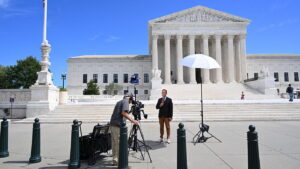
Currently, the voting rights landscape is under scrutiny at the national level, as Section 2 of the Voting Rights Act, a key tool for combating racial discrimination in elections, faces challenges in the U.S. Supreme Court. Judge Aycock has assured a swift response to legislative approvals of a new map to ensure timely special elections by November 2026.
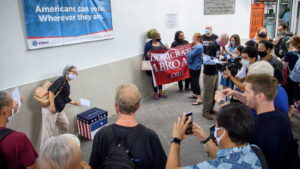
The American Civil Liberties Union (ACLU) initiated a lawsuit in 2022, arguing that the existing map divides the Mississippi Delta, a predominantly Black region, thereby weakening Black voter influence in the Central District. Ari Savitzky, a senior staff attorney with the ACLU’s Voting Rights Project, commented, “Mississippi is nearly 40% Black, but has never had more than one Black Justice on the nine-member Court. We couldn’t be happier to see justice on the horizon.”
Historically, only four Black justices have served on Mississippi’s Supreme Court, all occupying the same Central District seat and initially appointed by a governor. The Mississippi Secretary of State’s Office is appealing Aycock’s ruling from August, with proceedings paused by the Fifth U.S. Circuit Court of Appeals pending outcomes from the U.S. Supreme Court and related cases.
The state’s Secretary of State and Attorney General’s offices have yet to provide comments on the recent developments. Meanwhile, two Mississippi Supreme Court justices were appointed to federal positions in December, prompting Governor Tate Reeves to appoint interim replacements until the special elections occur. It’s noteworthy that Mississippi’s Supreme Court elections are conducted without party affiliations.
For more on the ongoing SCOTUS voting rights arguments, visit NPR. Additionally, insights into midterm election challenges involving redistricting can be found here.