Medical Journal Criticizes Robert F. Kennedy Jr.’s Leadership at Health Department
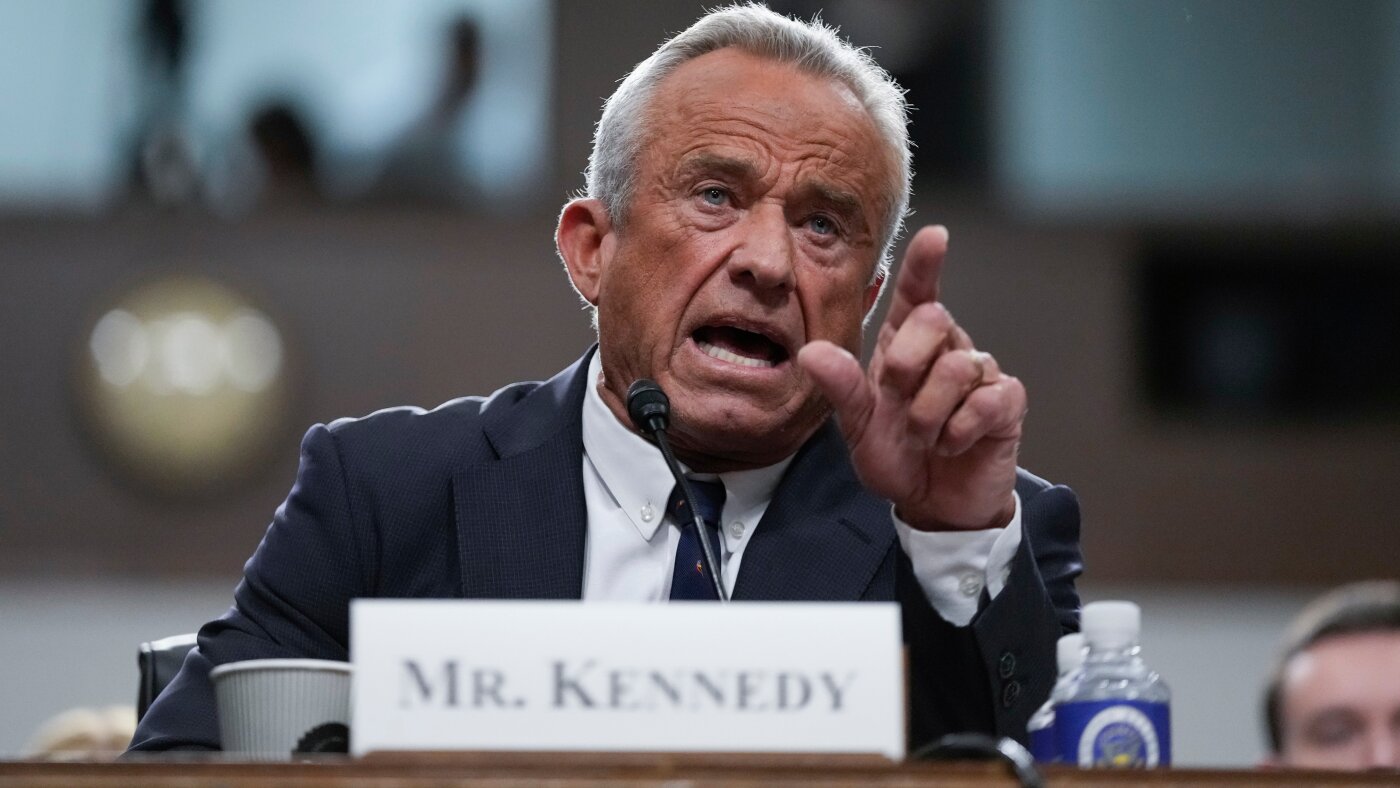
As Robert F. Kennedy Jr. marks his first year as Secretary of Health and Human Services, a renowned medical journal has delivered a harsh critique of his tenure. The latest edition of the Lancet features an editorial titled “Robert F. Kennedy Jr: 1 year of failure” that sharply criticizes his leadership and actions.
The editorial opens with a stark message: “The destruction that Kennedy has wrought in 1 year might take generations to repair, and there is little hope for US health and science while he remains at the helm.” It outlines controversial decisions taken by Kennedy, such as dismissing agency staff, altering scientific guidelines, and promoting unfounded scientific theories.
The Lancet, one of the world’s oldest and most cited peer-reviewed medical journals, has expressed alarm over Kennedy’s undermining of vaccine policies and cuts to crucial scientific research. Despite these claims, an official response from the Department of Health and Human Services (HHS) remains forthcoming.
While Kennedy has openly criticized mainstream medical journals, describing them as corrupt and beholden to pharmaceutical interests, his supporters, including Dr. Jay Bhattacharya, Director of the National Institutes of Health, have defended his actions. Dr. Bhattacharya remarked on X, “Sec. Kennedy is fixing the mess they helped make.”
Critics of Kennedy argue that the Lancet, which once published a now-retracted paper linking vaccines to autism, lacks credibility. Nevertheless, the journal’s editorial coincides with a troubling public health development: the United States has reported over 1,000 measles cases in 2026, threatening the nation’s measles elimination status.
Initially, Kennedy pledged to restore trust in public health through “honest engagement with everyone willing to work towards making the USA healthy again.” However, Dr. Amesh Adalja from Johns Hopkins Center for Health Security noted that “nobody should be surprised” by Kennedy’s approach, given his history as a prominent anti-vaccine advocate.
The editorial underscores the ongoing debate surrounding Kennedy’s leadership and its implications for public health in the U.S.