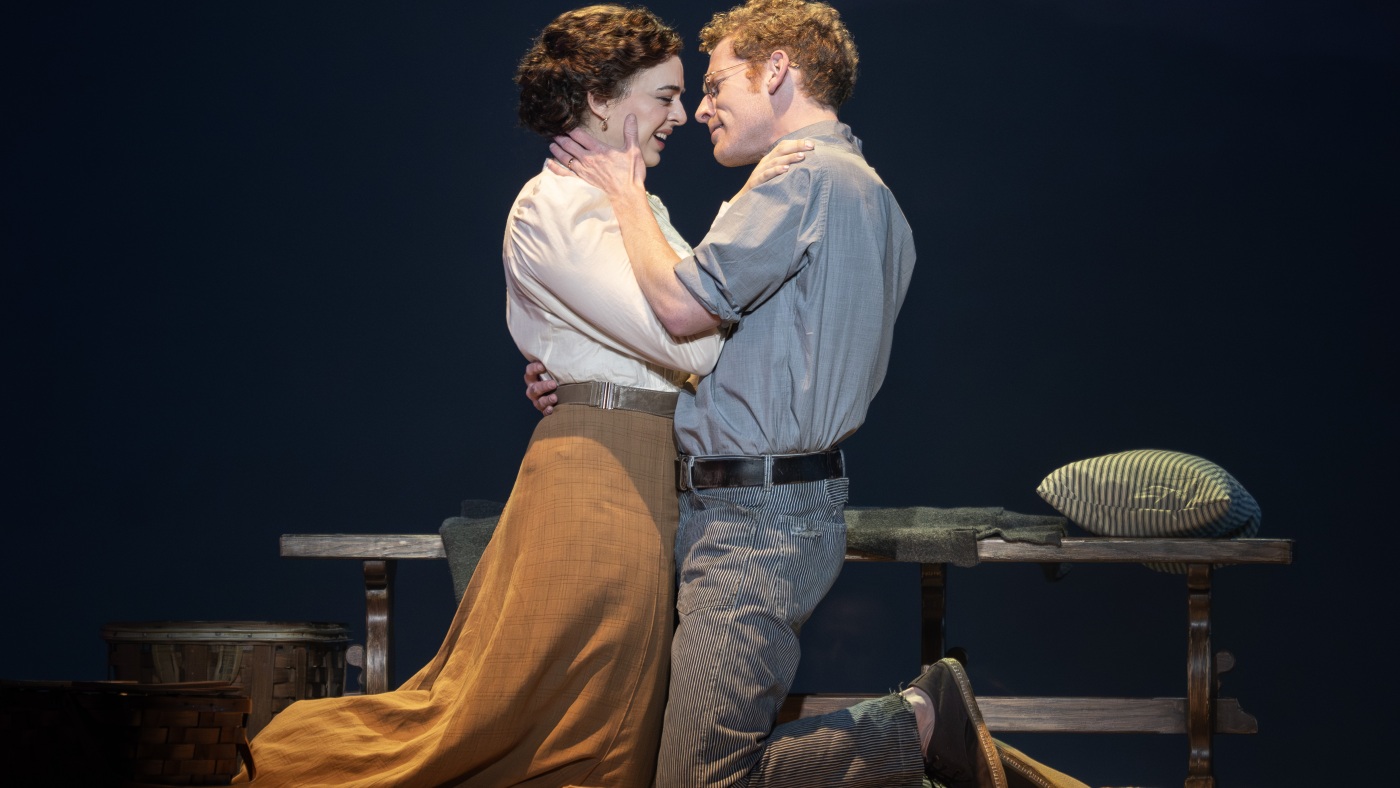
Theater and Tensions: “Parade” Musical Tour Concludes Amid Controversy
As the national tour of the Tony Award-winning musical Parade culminates at the Kennedy Center, it finds itself in the midst of political and social turbulence. The musical, which dramatizes the 1913 trial of Leo Frank, has sparked renewed discussions about antisemitism, a century-old injustice, and ongoing political influences at one of the nation’s cultural landmarks.
Recently, the Kennedy Center has undergone significant changes with President Trump assuming the role of chairman, leading to the removal of what he terms “woke political programming.” This transformation has provoked some artists to withdraw their performances. Despite this, Parade is forging ahead, with its creators adamant about maintaining the show’s original message.
Jason Robert Brown, who crafted the music and lyrics for Parade, declared on social media, “PARADE is playing the Kennedy Center in August and we’re not changing One Word.” Brown emphasized to NPR the significance of presenting the show on “America’s stage,” underscoring its narrative on the “currents of hatred running underneath America.”
The Historical Incident Behind “Parade”
The musical Parade recounts the notorious early 20th-century true-crime case of Leo Frank, a Jewish factory superintendent in Atlanta wrongfully accused of murdering Mary Phagan, a 13-year-old employee. The trial was marred by media frenzy, antisemitism, and racial tensions. Despite a lack of concrete evidence, Frank was convicted, and his death sentence was later commuted to life imprisonment by Georgia’s governor amid growing doubts.
The case took a tragic turn when Tom Watson, a white supremacist politician, incited Frank’s lynching, which was executed by a group of men who stormed the prison and hanged Frank. This incident spurred the resurgence of the Ku Klux Klan and the formation of the Jewish civil rights group, the Anti-Defamation League. Frank was posthumously pardoned by Georgia in 1986.
The Musical’s Impact and Modern Echoes
Playwright Alfred Uhry, who has familial ties to the historical events, transformed Frank’s narrative into the 1998 musical Parade. The 2023 Broadway revival of the musical gained significant attention, coinciding with a rise in antisemitic incidents. Uhry noted, “Either fortunately or unfortunately, the zeitgeist was with us that the thing got very timely.”
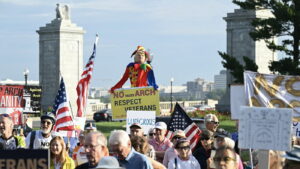
Recent protests and social media posts have reignited extremist views about Frank’s case. Right-wing influencer Kingsley Wilson posted inflammatory remarks about Frank, which were later amended but remain controversial. Despite public outcry, Wilson has since joined the Trump administration as the press secretary for the Department of Defense, a move that has been criticized for spreading “antisemitic conspiracy theories lifted right out of the neo-Nazi playbook,” according to the American Jewish Committee.
Historical Narratives in the Present
The legacy of Leo Frank’s trial and its contemporary resonance is encapsulated by the ongoing debates around Parade. As writer-composer Jason Robert Brown noted, “112 years after the murder of Mary Phagan, the vile racist incitements…continue to be repeated by people at the highest levels of our government.”