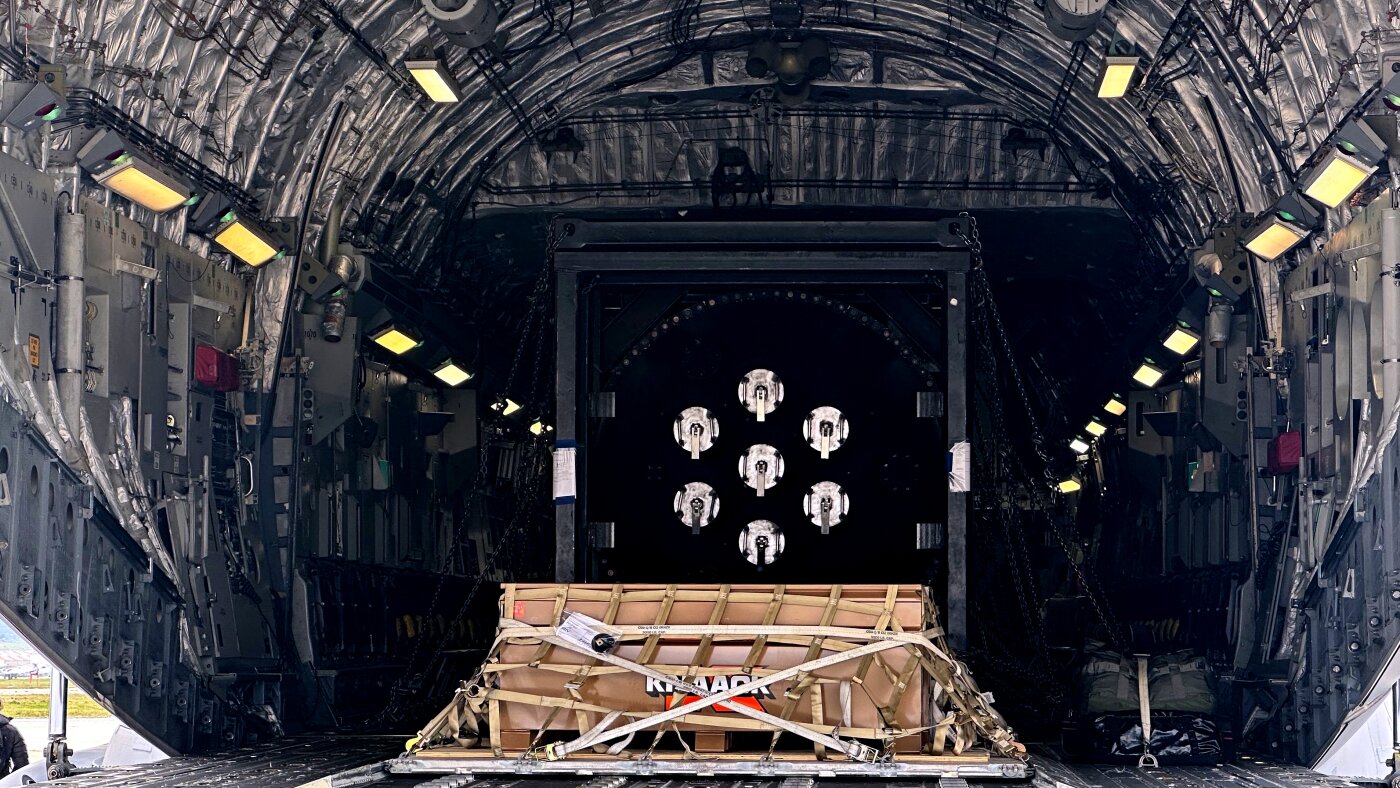
In a groundbreaking move, the Pentagon and the Department of Energy have showcased the potential for rapid deployment of nuclear power. A recent 700-mile airlift saw a microreactor, devoid of nuclear fuel, transported from California to Utah, illustrating a significant step in utilizing nuclear power for both military and civilian applications.
The flight aimed at promoting nuclear energy, a key focus of the Trump administration, as a solution to the rising power demands driven by artificial intelligence and data centers. This initiative underscores the administration’s broader strategy to expand nuclear energy’s role alongside traditional fossil fuels, despite some controversy surrounding the approach.
Advancements in Nuclear Energy
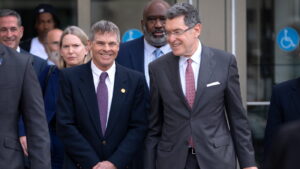
Energy Secretary Chris Wright and Undersecretary of Defense Michael Duffey accompanied the microreactor on its journey aboard a C-17 military aircraft. They emphasized the event as a pivotal moment for the commercial licensing of microreactors, aligning with efforts to reshape the U.S. energy sector.
Despite President Donald Trump’s preference for coal and fossil fuels, the administration advocates for nuclear power as a carbon-free energy source. This stance, however, faces opposition from critics who question the safety, feasibility, and cost-effectiveness of microreactors, which have yet to be fully proven.
Chris Wright highlighted the initiative as part of an accelerated push for nuclear power, supported by executive orders that streamline the approval of advanced reactor designs. “Today is history. A multi-megawatt, next-generation nuclear power plant is loaded in the C-17 behind us,” he declared during a press briefing.
Microreactors for Dual Purposes
Microreactors, designed for portability, offer a promising solution for both civilian and military energy needs. With potential applications on military bases independent of civilian grids, these reactors could enhance energy security and resilience.
The recent demonstration flight marks progress towards deploying nuclear power where it’s most needed. The reactor transported to Utah is designed to produce up to 5 megawatts of electricity, capable of powering 5,000 homes. Valar Atomics, the company behind the reactor, aims to begin test sales next year, with full commercialization targeted for 2028.
Concerns Over Safety and Feasibility
While the airlift drew significant media attention, some experts remain skeptical about the project. Edwin Lyman, director of nuclear power safety at the Union of Concerned Scientists, described the event as a “dog-and-pony show,” questioning the feasibility and safety of the initiative.
Lyman criticized the administration for not adequately addressing safety concerns associated with transporting microreactors loaded with nuclear fuel. The unresolved issue of nuclear waste disposal also remains a critical challenge. However, discussions are underway with various states to explore options for reprocessing fuel or establishing permanent disposal sites.
The Utah San Rafael Energy Lab will be the next stop for testing and evaluation of the microreactor, with fuel supplied by the Nevada National Security site. “The answer to energy is always more,” Wright stated, emphasizing the administration’s commitment to expanding nuclear energy capabilities.