The Fallout from Federal Funding Cuts to Public Media: A Year of Challenges and Resilience
In a significant shift from decades of bipartisan backing, President Trump signed a bill last year that effectively slashed federal funding for public media outlets like NPR and PBS. This decision has triggered a wave of layoffs and cancellations, yet it has also spurred a remarkable response from listeners and supporters.
Following the funding cuts, more than 500 employees in the public media sector were laid off, according to SemiPublic’s tally. Station officials nationwide found themselves grappling with a new reality of urgency, hope, and uncertainty.
“All of this exists because of viewers like you,” emphasized PBS CEO Paula Kerger, highlighting the crucial role of audience support during these trying times.
A Heavy Toll in South Dakota
While NPR’s direct federal funding constituted less than 2% of its revenue, other public radio and television stations relied more heavily on these funds, especially those in rural areas. South Dakota Public Broadcasting was among the hardest hit, losing significant support after the cuts.
The cancellation of the beloved public affairs show In the Moment and the layoff of its host, Lori Walsh, along with seven other journalists, marked a significant loss for the community.
“We went through a real grieving period,” Walsh recalls, reflecting on the emotional impact of saying goodbye to valued colleagues.
Yet, an unexpected wave of financial support from listeners, described as “white-hot rage-giving” by Ryan Howlett of the supporting foundation, brought hope. The station raised a record $8 million, enabling Walsh to return and continue her work through a podcast and a segment on Morning Edition.
Innovation in the Southwest
In southwestern Colorado, KSUT faced a potential existential threat due to the funding cuts. However, transparency with listeners about the station’s plight resulted in substantial donations, allowing KSUT to invest in solar panels and establish its first endowment.
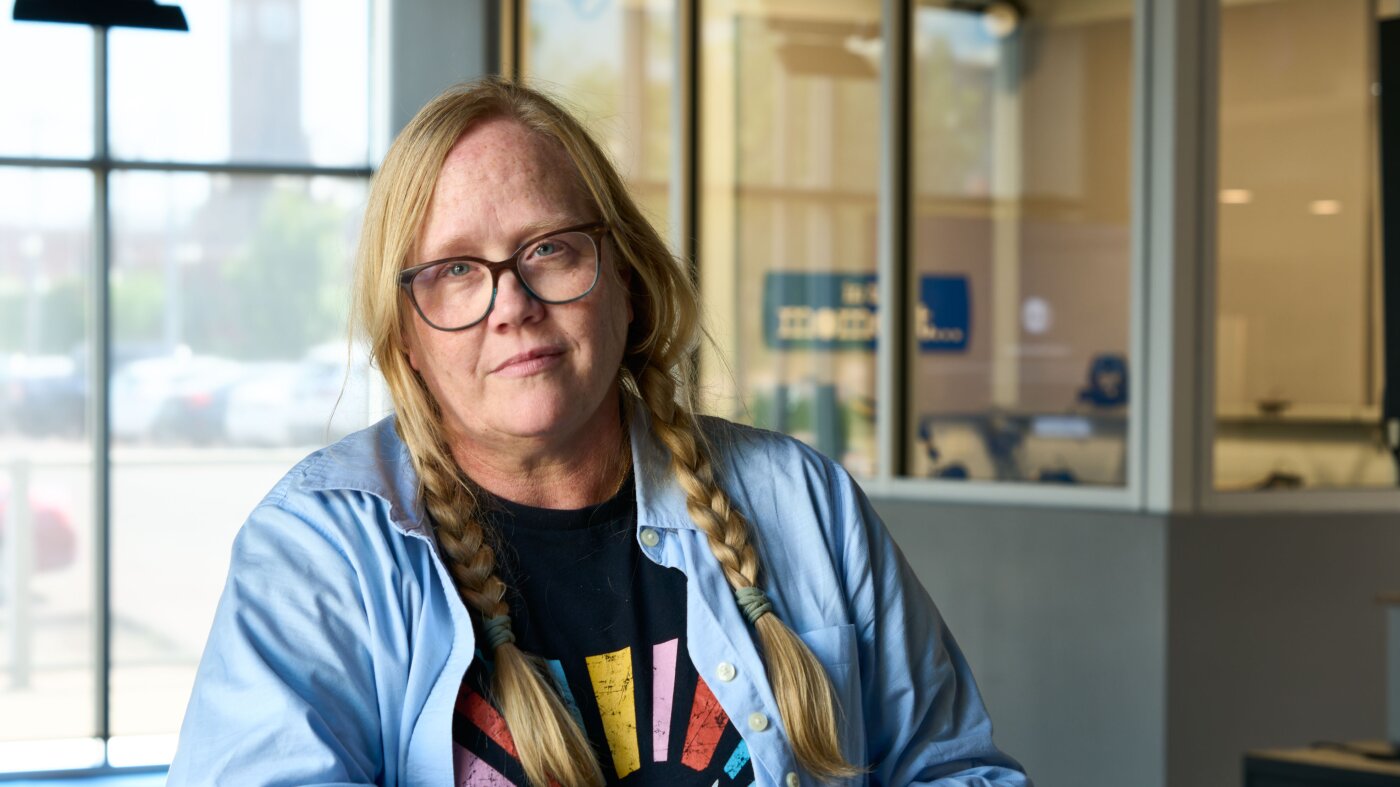
Tami Graham, KSUT’s Executive Director, expressed relief and amazement at the donor support, which has allowed the station to avoid staffing cuts and maintain operations.
Meanwhile, NPR, alongside KSUT and other stations, successfully sued the Trump administration, restoring the legality of federal support for public media, as authorized by Congress.
Challenges and Opportunities in Indiana
In Indiana, WNIN faced a compounded financial hit with the loss of both state and federal funding. Station Manager Tim Black described the effect as a severe budgetary blow, leading to staff reductions and program cancellations.
However, a surge in member contributions and support from the Public Media Bridge Fund have positioned WNIN to end the year with a surplus for the first time in five years.
Black remains optimistic about potential state support, noting a change in tone from local lawmakers regarding funding for public broadcasting.
Looking Ahead: The Sustainability Question
Despite the positive outcomes in some areas, the broader question remains: Can public media sustain itself without significant federal support? NPR and PBS have seen a slight reduction in member stations, and the network’s financial strategies, including audience research and digital infrastructure support, aim to bolster sustainability.
Jennifer Ferro, President of KCRW, reflects on the changing landscape, noting that while federal funding accounted for just 5% of KCRW’s budget, the station had to adapt by reducing staff and embracing new media formats to maintain its cultural role in Los Angeles.
The journey for public media is ongoing, with resilience and innovation charting the path forward. Yet, the enduring question of long-term viability without federal aid remains at the forefront of industry discussions.