In recent developments, questions regarding Congressional oversight have surfaced as the U.S. military conducts strikes on Iran. The issue of whether Congress has provided explicit authorization for these actions remains at the forefront of political discussions.
Congressional Authorization Under Scrutiny
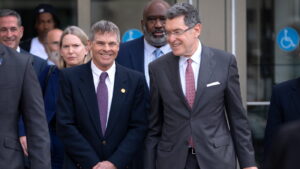
Rep. Jim Himes, a Democrat from Connecticut, spoke with NPR’s Ayesha Rascoe to shed light on the situation. The central concern revolves around whether the administration has overstepped its bounds by engaging in military actions without clear Congressional approval. This ongoing debate highlights the complexities of military interventions and the legislative powers associated with them.
Understanding the Legal Framework
The framework for military engagement involves several legal instruments that guide U.S. actions abroad. However, the specifics of these instruments, such as the War Powers Resolution, often lead to varying interpretations. The resolution was designed to ensure that the President consults with Congress before committing U.S. forces to conflicts. Despite this, the nature of modern threats sometimes leads to actions that occur without prior legislative consent.
Political Implications
The conversation between Rascoe and Himes underscores the political implications of military actions taken without Congressional input. There is a persistent debate over the balance of power between the executive branch and Congress when it comes to authorizing military force. This dynamic is critical in maintaining the checks and balances that are fundamental to U.S. governance.
As the situation develops, the discourse around the need for explicit Congressional consent for military operations continues to gain attention. For those interested in the evolving relationship between Congress and the executive branch, this issue remains a critical point of analysis.