Uncertain Future for DACA: Republican Lawmakers Await Trump’s Next Move
The Deferred Action for Childhood Arrivals (DACA) program, which provides temporary protection from deportation to young immigrants, stands at a crossroads as congressional Republicans wait for President Trump to initiate negotiations on a permanent resolution. The program, established in 2012, currently safeguards approximately 500,000 individuals who arrived in the United States as children before 2007.
Despite its inception over a decade ago, DACA has experienced fluctuating levels of support among Republican lawmakers. Recently, concerns have arisen as immigration enforcement activities have reportedly led to the detention of some DACA recipients, even those without criminal records. This development has alarmed immigrant rights groups and Democrats, who fear that the expanding deportation efforts may inadvertently target DACA recipients.
Immigrant advocacy organizations, such as Home is Here, report nearly 20 detentions of DACA recipients this year. Republican lawmakers, while open to finding a solution, continue to defer to President Trump to lead the negotiations.
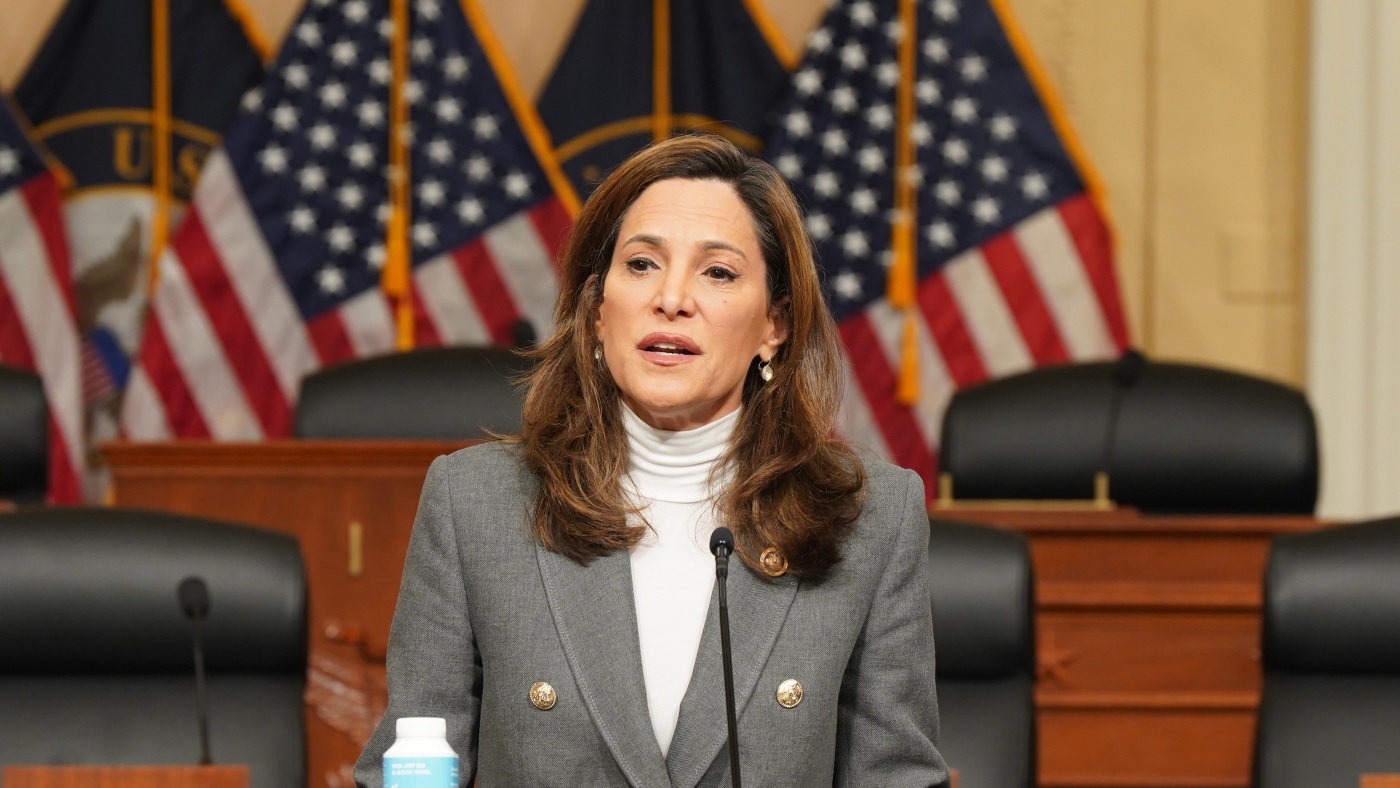
Rep. Maria Elvira Salazar, R-Fla., emphasized the importance of these individuals to the economy, stating, “I understand they are undocumented. I get it that they broke the law. I get it. But they’re needed in the economy and someone gave them a job.” Salazar introduced a bill aimed at providing a legal status pathway for DACA recipients, which has garnered bipartisan support.
However, to move forward, Republican legislators indicate that the impetus must come from the executive branch. During his campaign, Trump pledged to implement the largest deportation operation in U.S. history, although he has occasionally shown interest in addressing the needs of certain migrant groups.
White House spokesperson Abigail Jackson highlighted the administration’s priorities, stating, “The Trump Administration’s top immigration enforcement priority is arresting and removing the dangerous violent, illegal criminal aliens that Joe Biden let flood across our Southern Border – of which there are many.”
The Dwindling DACA Support in Congress
In 2017, a group of 34 Republicans urged then-House Speaker Paul Ryan to pass a permanent solution for DACA. However, the coalition supporting DACA has significantly weakened since then. Of the original signatories, only eight remain in the House, diminishing the urgency to resolve the issue.
Muzaffar Chishti, a senior fellow at the Migration Policy Institute, noted, “Allowing DACA to go forward became a political hot potato for the Republicans. Congress always tries to kick the can down the street.”
Despite President Trump’s occasional openness to negotiating a DACA deal, the administration’s primary focus remains on border security and enforcement, leaving little room for bipartisan discussions on immigration reform.
Hope for a Bipartisan Agreement Persists
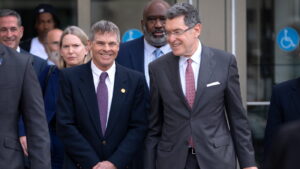
Efforts to bridge the partisan divide continue, with lawmakers like Rep. Brian Fitzpatrick, R-Penn., maintaining steadfast support for DACA. Fitzpatrick and his colleagues in the Problem Solvers Caucus are working on a framework to reignite negotiations for a legislative solution.
“I look in America and look [at] how immigrants built this country,” Fitzpatrick remarked. “So it’s really a question for my colleagues as to whether they view America that way.”
While there remains some optimism for a bipartisan compromise, the initiative requires a clear directive from President Trump to advance. Todd Schulte, president of FWD.us, commented, “The political reality here is he could snap his fingers and tomorrow we’ll have an intelligent conversation.”
Senate support is crucial for any legislative measure, but enthusiasm is low. Sen. Lindsey Graham, R-S.C., who co-sponsored the Dream Act, and Sen. Thom Tillis, R-N.C., acknowledge the challenges in moving forward, given the administration’s enforcement priorities.
As Sen. John Cornyn noted, while addressing DACA recipients’ plight is important, other immigration priorities currently take precedence in the administration’s agenda.