Immigration Court Closures and Judge Terminations Raise Concerns Over Due Process
The Trump administration’s latest moves to streamline immigration proceedings have sparked widespread concern. With courts shutting doors and judges being let go, the due process available to immigrants appears to be narrowing, raising questions about the future of immigration adjudication in the United States.
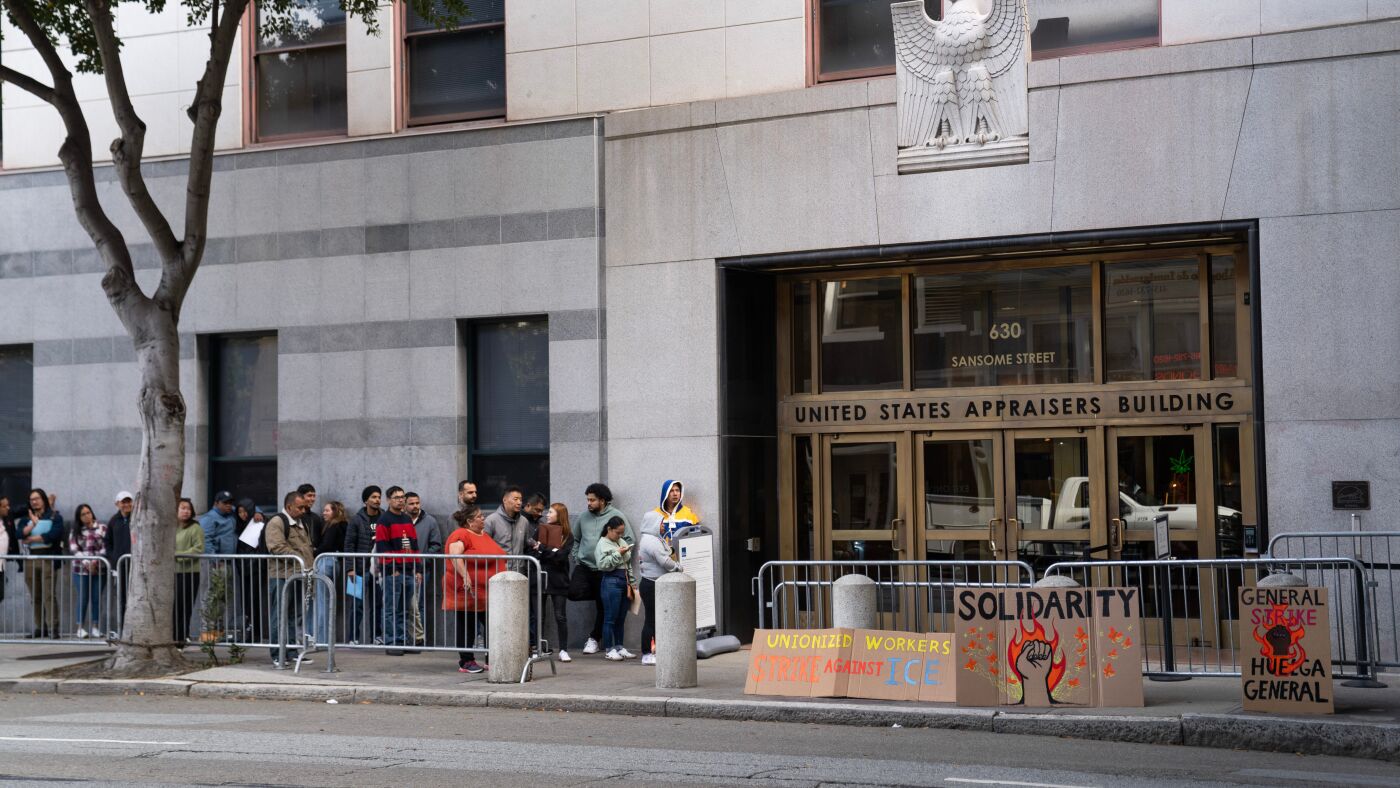
Recently, employees at the San Francisco Immigration Court were informed via email that the court will close by the end of the year. Personnel will be reassigned to the Concord Immigration Court, located 30 miles away. This announcement, made by Chief Immigration Judge Teresa Riley, underscores the administration’s ongoing efforts to expedite deportations.
Former San Francisco immigration judge Jeremiah Johnson noted, “At first it was a message that you better fall in line or you’re going to get fired. Now, it’s a message that your court is going to be closed.”
San Francisco’s court has seen a significant reduction in its judicial staff, with only four judges and one supervisor remaining from a previous roster of 21. This reduction is part of a broader trend, as the Trump administration has dismissed nearly 100 judges nationwide in 2025, according to NPR’s figures.
EOIR spokesperson Kathryn Mattingly has stated that the move to Concord is intended to be “more cost-effective.” However, the judges still face an overwhelming backlog of over 120,000 cases, which will either be transferred to Concord or heard remotely.
Nationwide Impact of Judge Firings
The judge terminations have not been confined to California. Across the country, the administration’s measures have left many courts understaffed. Notably, courts in Aurora, Colorado, and Oakdale, Louisiana, have been left with no judges, only supervisors.
This reduction in judicial personnel has contributed to severe delays in case adjudication, with some immigrants facing hearing dates as far out as 2030. According to immigration lawyer Jordan Weiner, these delays represent a “mass delay event” exacerbated by the pandemic and recent court closures.
Hiring and Temporary Judges
In an attempt to address the vacuum created by these terminations, EOIR plans to hire new judges quarterly. The agency’s latest recruitment drive aims to fill positions with “deportation judges,” a shift in terminology that some see as indicative of the administration’s priorities.
Additionally, the Pentagon has authorized up to 600 military lawyers to serve temporarily as immigration judges. These JAG judges have issued removal orders at a higher rate than their civilian counterparts, according to Mobile Pathways’ analysis.
The administration’s emphasis on rapid case resolution and deportation has drawn criticism, with some judges fearing that the courts are being shaped to align with President Trump’s deportation agenda.