Senate Passes Controversial Tax Bill Amid Fiscal Concerns
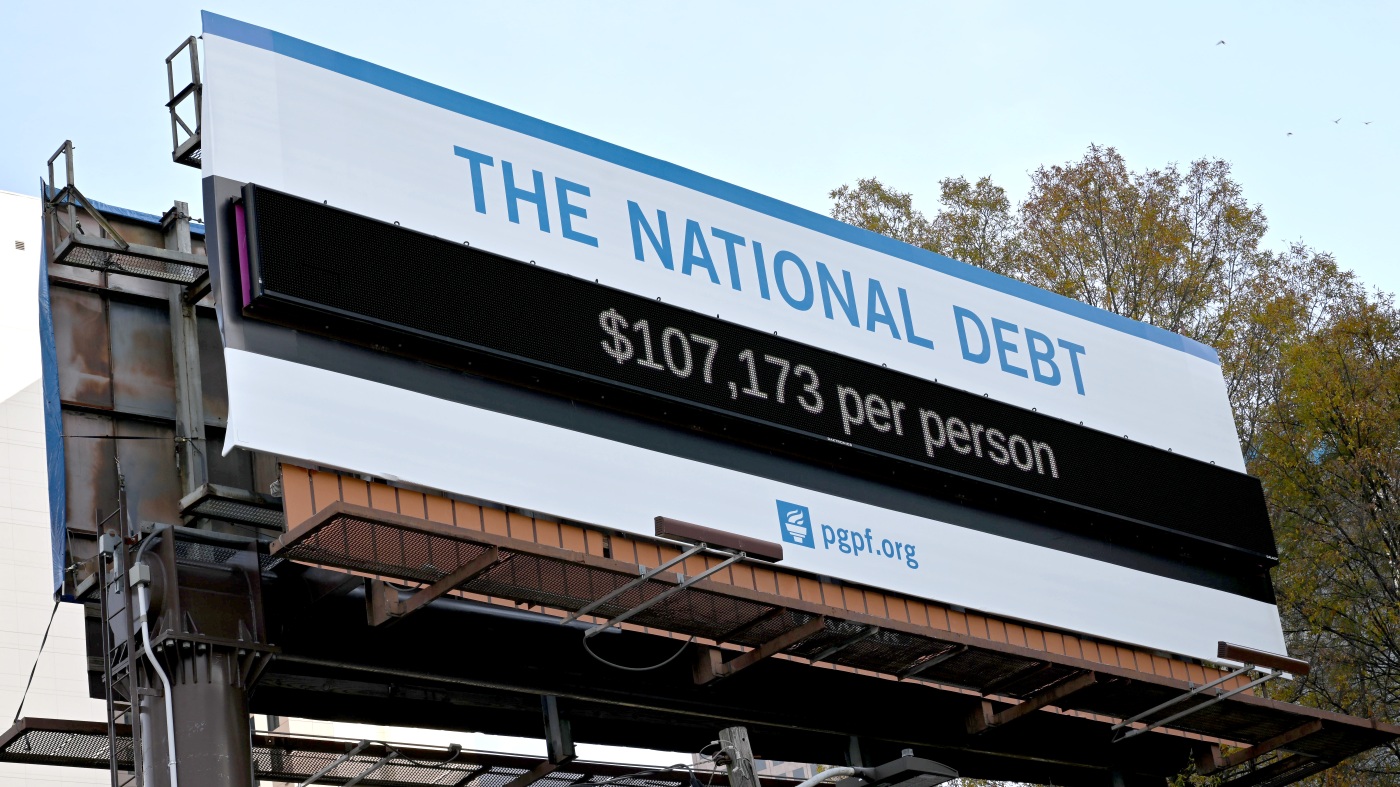
In a move that has sparked debate over fiscal responsibility, the Senate has approved a significant tax cut and spending package. This controversial legislation is anticipated to amplify the federal debt by trillions of dollars over the next ten years, adding to the existing financial burden.
Various financial analysts have presented differing projections regarding the anticipated impact on national debt. The Yale Budget Lab has calculated an increase of $3 trillion, whereas the Congressional Budget Office (CBO) foresees a rise of $3.4 trillion. The Committee for a Responsible Federal Budget predicts the debt could surge by $4 trillion or more over the same period.
Despite variations in estimates, there is a consensus among budget analysts that the bill would exacerbate the federal financial imbalance. The proposed legislation is slated to return to the House for consideration, following the House’s earlier passage of a different version this year.
“The level of blatant disregard we just witnessed for our nation’s fiscal condition and budget process is a failure of responsible governing,” commented Maya MacGuineas, president of the Committee for a Responsible Federal Budget. “These are the very same lawmakers who for years have bemoaned the nation’s massive debt, voting to put another $4 trillion on the credit card.”
Economic Growth and Tax Cuts
The Senate’s bill seeks to prolong tax reductions initiated during the first Trump administration and introduce new tax incentives, thereby decreasing governmental revenue streams. Concurrently, it plans to boost expenditure on defense and immigration enforcement, with reductions in Medicaid and food assistance spending only partially offsetting the bill’s overall costs.
According to early assessments, the measure might not significantly stimulate economic growth. While the CBO has yet to release an economic impact analysis for the Senate’s version, a prior evaluation of the House’s version suggested limited economic benefits that were overshadowed by the costs associated with increased interest payments.
The House version of the tax cuts reportedly favors higher-income individuals, with the wealthiest segments expected to benefit the most. In contrast, lower-income groups could end up worse off due to diminished government support outweighing any tax savings.
On average, individuals earning below $55,000 annually might experience net losses due to the House bill, based on CBO projections. Meanwhile, middle-income earners could save between $500 and $1,000 annually, whereas the top 10% may see gains of approximately $12,000.