Senate Confirms New DOJ Fraud Enforcement Chief Amid Concerns
In a significant move, the Senate has appointed Colin McDonald to spearhead fraud enforcement at the Department of Justice, despite apprehensions about political motivations. This decision arrives amidst a heightened focus on fraud within government programs.
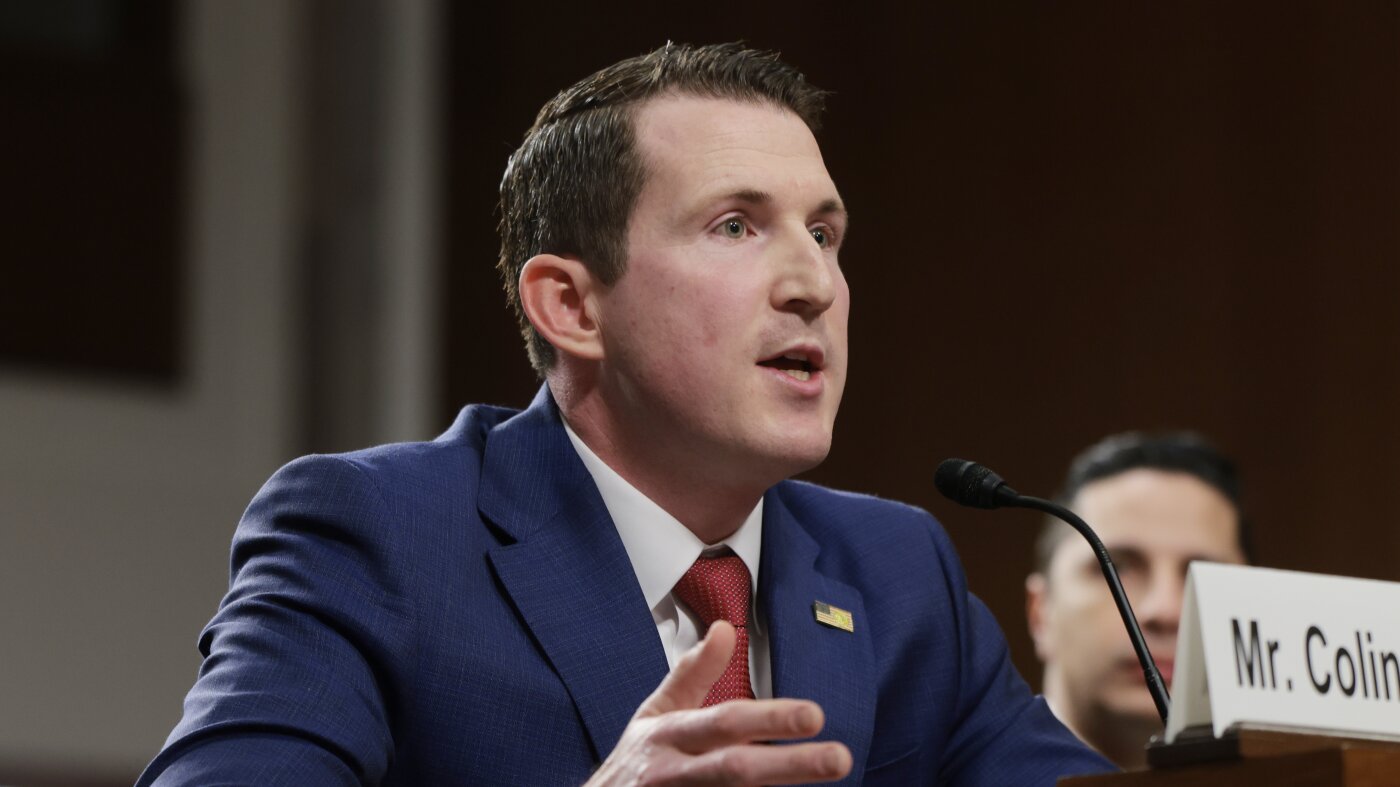
The Senate narrowly confirmed McDonald’s nomination with a 52-47 vote, appointing him as assistant attorney general for fraud enforcement. Some Democratic senators voiced concerns over McDonald’s recent tenure with the department and the potential misuse of his new role to target political adversaries of President Trump.
This appointment coincides with the White House’s launch of an anti-fraud task force, chaired by Vice President JD Vance, which aims to tackle fraud in government programs, including a representative from the Department of Justice.
“Republicans and Democrats can and should agree: fighting fraud, particularly fraud on the American taxpayer, is important work, and that’s true now more than ever,” stated Sen. Chuck Grassley, R-Iowa, prior to the vote. This statement followed ongoing fraud investigations in Minnesota, particularly in child care programs, which were spotlighted by MAGA-aligned social media influencers earlier this year.
The newly established National Fraud Enforcement Division, led by McDonald, raises questions regarding the independence of federal law enforcement. “When you have statements like we have here suggesting that any new fraud enforcement office would be answerable to the White House, that raises legitimate concerns,” remarked Perry Carbone, a former federal prosecutor.
At his confirmation hearing, McDonald emphasized his commitment to fair and just prosecutions, stating his primary goal is to “uncover and follow the facts and apply them to the law.” He confirmed his reporting line to Deputy Attorney General Todd Blanche, both in oral testimony and written responses.
Background as a Federal Prosecutor
McDonald’s career has spanned over a decade as a federal prosecutor, with notable work in the Southern District of California. His relocation to Washington, D.C., with his family, marked his transition to work alongside Todd Blanche, where he supervised the DOJ’s Weaponization Working Group.
This group was formed in response to Trump’s criticism of the DOJ’s actions under the previous administration and has been a point of contention during McDonald’s confirmation process. McDonald clarified his role as supervisory rather than a co-chair, emphasizing the group’s mission to restore public confidence in the DOJ.
Prompted by Minnesota Fraud
The push for enhanced fraud enforcement comes on the heels of alleged fraud cases in Minnesota. Investigations revealed a $300 million fraud scheme linked to pandemic-era programs, with individuals primarily of Somali-American descent implicated. The administration’s response included halting Medicaid funding to the state, prompting a legal challenge from Minnesota.
In his new role, McDonald aims to address abuses in federal programs like Medicaid and SNAP, which have seen significant fraud, as highlighted in a recent GAO report.
Prior DOJ Programs
Despite the new division, experts like Jonathan Rusch note that fraud enforcement has long been a priority for federal agencies. The DOJ, in collaboration with HHS and other bodies, has effectively coordinated efforts against health care fraud. McDonald acknowledged the vast scale of the issue during his Senate testimony, asserting the need for increased focus.
However, the Trump administration’s scaling back of other anti-fraud initiatives, such as those targeting cryptocurrency scams, raises questions about the overall strategy and resource allocation, as noted by the nonprofit group Public Citizen in their report.