Significant Downsizing at the U.S. State Department Sparks Controversy
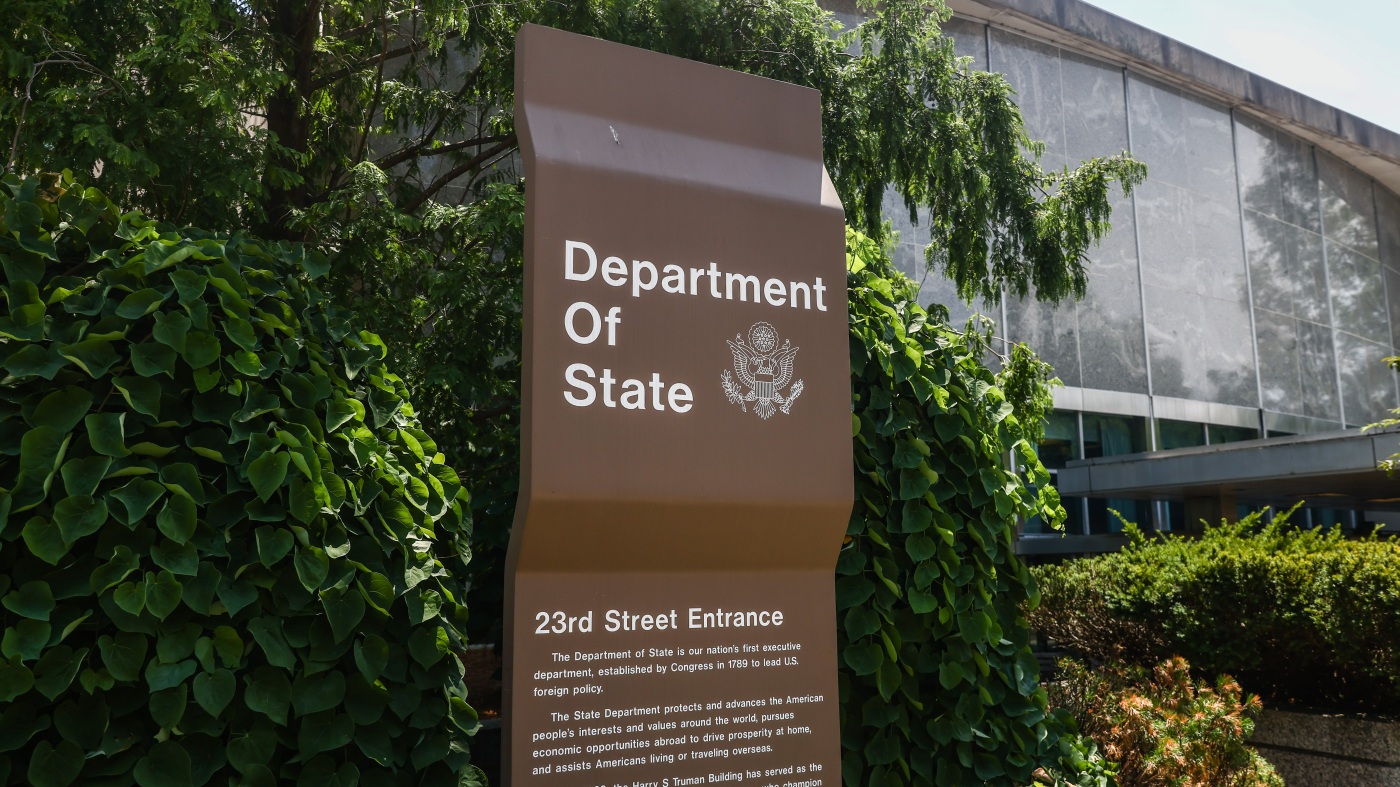
The U.S. State Department is undergoing a major transformation as it plans to reduce its workforce in Washington by approximately 15%. Labelled as the most significant organizational change in decades, the overhaul has already prompted some employees to opt for early retirement while hundreds have received layoff notices.
Secretary of State Marco Rubio spearheads this reform, aiming to streamline operations by shutting down 132 offices, which he considers part of an unwieldy bureaucracy. In this endeavor, his team has revised personnel policies to facilitate the dismissal of foreign service and civil service officials occupying roles that are being phased out.
Rubio argues that these changes are crucial for improving the efficiency of internal processes, which he claims are hindered by excessive bureaucratic layers. “There were 40 boxes on this piece of paper,” he informed senators in May. “That means 40 people had to check off ‘yes’ before it even got to me. That’s ridiculous. And if any one of those boxes didn’t get checked, the memo didn’t move. That can’t continue.”
Critics, including Ranking Member Jeanne Shaheen and other Democrats from the Senate Foreign Relations Committee, have voiced their opposition. They issued a statement warning that the cuts could undermine U.S. diplomatic efforts and national security. “If this administration is serious about putting ‘America First,’ it must invest in our diplomatic corps and national security experts — not erode the institutions that protect our interests, promote U.S. values, and keep Americans safe abroad.”
The American Academy of Diplomacy, which represents former ambassadors advocating for U.S. diplomacy, has also expressed its disapproval. They accuse Rubio of dismantling the department’s institutional knowledge, describing the move as “an act of vandalism.”
Thomas Shannon, a former undersecretary of state during the Trump administration, expressed concerns about the long-term implications of these changes. “This isn’t just about trimming fat,” he stated. “We’re removing a significant chunk of our civil service and foreign service employees and restructuring in ways that reflect a diminished global agenda.”
Shannon emphasized that the shake-up could harm the U.S.’s global standing, especially as it scales back on promoting human rights and democracy. The closure of USAID and the departure of experts with vital language and cultural skills are seen as detrimental to U.S. influence abroad. “We’re going to end up cutting a lot of really talented individuals,” he noted. “They’ll be like players in a game of musical chairs — suddenly finding themselves without a seat.”
Although the immediate effects may be minimal, Shannon cautioned that this downsizing could eventually leave the U.S. trailing behind international competitors such as China.