Supreme Court Clears Path for Federal Workforce Restructuring
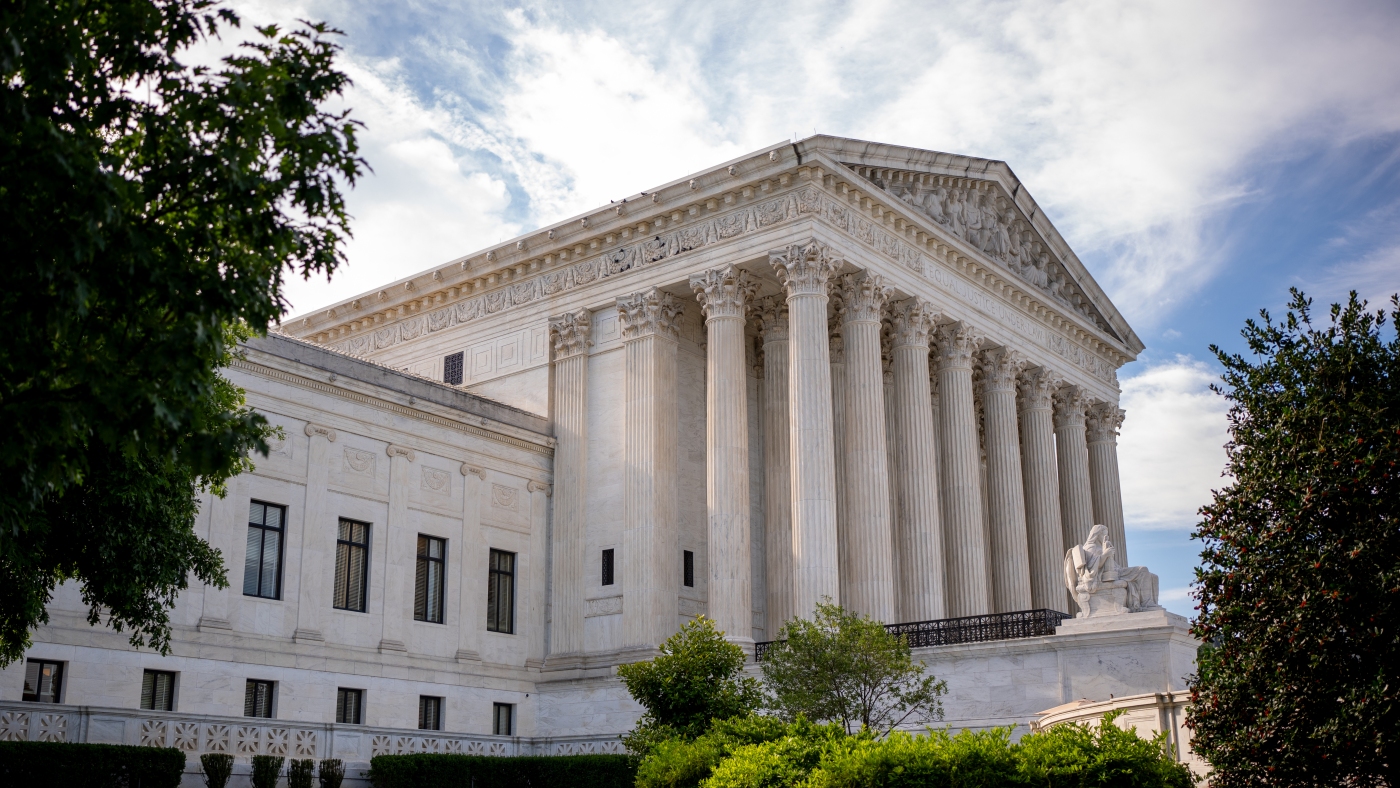
The U.S. Supreme Court has paved the way for President Trump’s extensive plan to downsize the federal workforce. The decision, delivered on Tuesday, lifts a lower court’s order that was blocking the executive directive aimed at reducing federal employees. Justice Ketanji Brown Jackson dissented, while Justice Sonia Sotomayor concurred with the court’s decision.
Justice Sotomayor clarified that the lower courts could still evaluate the constitutionality of the workforce reduction plans. “The plans themselves are not before this Court, at this stage, and we thus have no occasion to consider whether they can and will be carried out consistent with the constraints of law,” she stated.
Justice Jackson, however, expressed her concern that the court was prematurely endorsing the administration’s actions. “For some reason, this Court sees fit to step in now and release the President’s wrecking ball at the outset of this litigation,” she commented, calling the decision “hubristic and senseless.”
In February, the administration issued a detailed plan that instructed federal agencies to prepare for significant staff reductions. An accompanying memorandum claimed inefficiencies in government, attributing them to “unproductive and unnecessary programs.” Agency heads were required to submit layoff plans within two weeks.
The order included strategies for downsizing, such as hiring one employee for every four departures, removing underperformers, and allowing temporary positions to expire without renewal. Critics argue these measures could lead to “hundreds of thousands” losing their jobs and impact essential government services.
Opponents, including labor unions and advocacy groups, have sued the president and federal agencies, arguing that such an overhaul requires congressional approval. They stress that the president bypassed Congress, which had previously rejected similar proposals.
However, the administration maintains that the president has the authority to direct such layoffs independently. “The President does not need additional statutory authorization to direct agencies to conduct RIFs to further reorganizations,” they argue.
Initially, U.S. District Judge Susan Illston in California had blocked the administration from implementing the layoffs, a decision upheld by the 9th Circuit Court of Appeals. The lower court’s injunction stopped the dissemination of new reorganization plans and layoff notices, pending further legal proceedings.
The Trump administration contends that the lower court’s nationwide injunction was unwarranted, a stance previously challenged in cases involving executive orders on issues like birthright citizenship.
Reacting to the Supreme Court’s decision, White House spokesman Harrison Fields hailed it as “another definitive victory for the President and his administration,” criticizing “leftist judges” for allegedly obstructing executive powers.
The American Federation of Government Employees, representing federal workers, criticized the ruling as undermining democratic principles. “Reorganizing government functions and laying off federal workers en masse haphazardly without any congressional approval is not allowed by our Constitution,” they asserted, vowing to continue their legal battle.