
Supreme Court Faces Pressure as Trump Administration Seeks Changes to Mail-in Voting
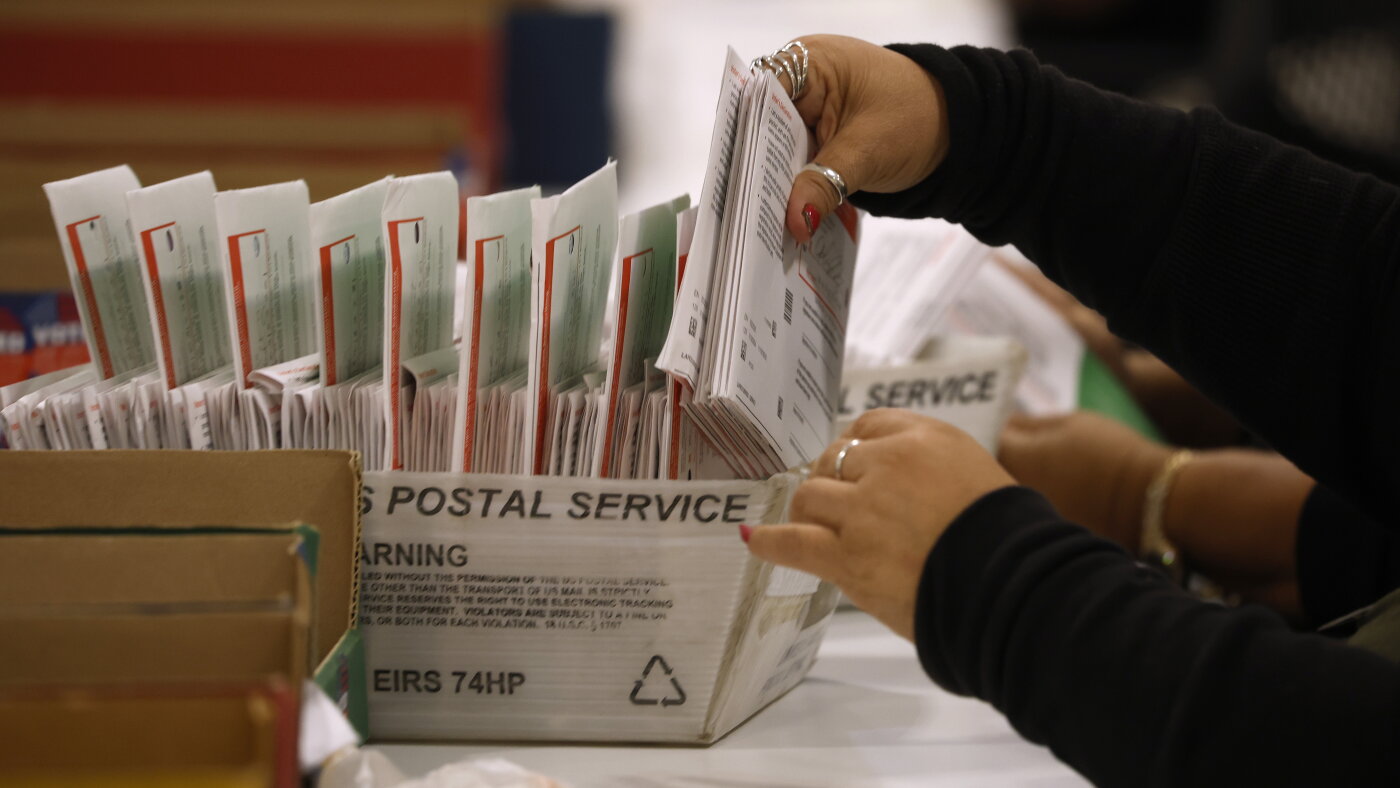
The Trump administration is urging the Supreme Court to remove a block on the U.S. Postal Service’s (USPS) plan to alter mail-in voting processes ahead of the forthcoming midterm elections. This plan, initially set forth to address concerns about illegal voting, is currently halted by a temporary restraining order issued by a federal judge in Boston.
Despite this legal battle, the fundamentals of mail-in voting remain unchanged for now. States continue to provide mail-in voting options to eligible voters, and the USPS is expected to manage the delivery of ballots as it has in previous elections.
Potential Impact of Proposed USPS Changes
Under the USPS’s proposed changes, state election officials would need to supply lists of mail-in voters to the Postal Service. In addition, envelopes for mail ballots would require specific barcodes. These modifications were outlined in a revised rule issued in August. The USPS indicates it will not distribute ballots for election authorities that fail to comply with these requirements.
Timeline for Mail-in Voting
The mail-in voting season officially begins when North Carolina starts dispatching absentee ballots on Friday. Many other states are expected to follow suit later in the month, preparing for the midterm elections.
Feasibility of Implementing USPS Plan
Election experts express skepticism about the USPS’s ability to implement the proposed changes without causing significant disruptions. A whistleblower report raises concerns about the untested online portal system intended to collect voter information. Additionally, the report suggests that the verification policy for ballot envelopes might prevent voters from receiving their ballots in time.
Legal Controversy Surrounding USPS Plan
The USPS plan originates from a March executive order by President Trump, aimed at curbing illegal voting. However, studies indicate that voting by non-U.S. citizens is extremely rare. Critics argue that the USPS lacks the authority to regulate mail-in voting, challenging the legality of the proposed changes.
Supreme Court’s Involvement
While the Supreme Court previously addressed a procedural aspect of one lawsuit in August, it has not yet ruled on the legality of the USPS plan or Trump’s executive order.
Editor’s Note: USPS is a financial supporter of NPR.
Edited by Megan Pratz


Comments are closed.