
Missouri’s Redistricting Plan Faces Supreme Court Roadblock Amidst Electoral Concerns
The Supreme Court has intervened in Missouri’s redistricting efforts, a decision closely observed nationwide as the midterm elections approach. The blocked congressional map sought to increase Republican representation in the U.S. House by affecting the district of Democratic Congressman Emanuel Cleaver.
This marks the third instance of the Supreme Court halting this redistricting plan. The court emphasized that altering the electoral map at this stage could lead to “electoral chaos,” mandating the use of the 2022 and 2024 district maps despite a different map being employed in recent primaries.
Conflicting rulings in both state and federal courts have characterized the issue. Missouri election officials began distributing absentee ballots using the previous districts, arguing that a change at this juncture is impractical.
The new map, passed last year by Missouri lawmakers under the influence of President Trump, was part of a broader strategy to secure more GOP-favorable districts. This effort aimed to maintain Republican control in the House by shifting approximately nine or ten districts, including Missouri’s 5th District, towards the GOP.
A Citizen Petition Leads to Ballot Inclusion
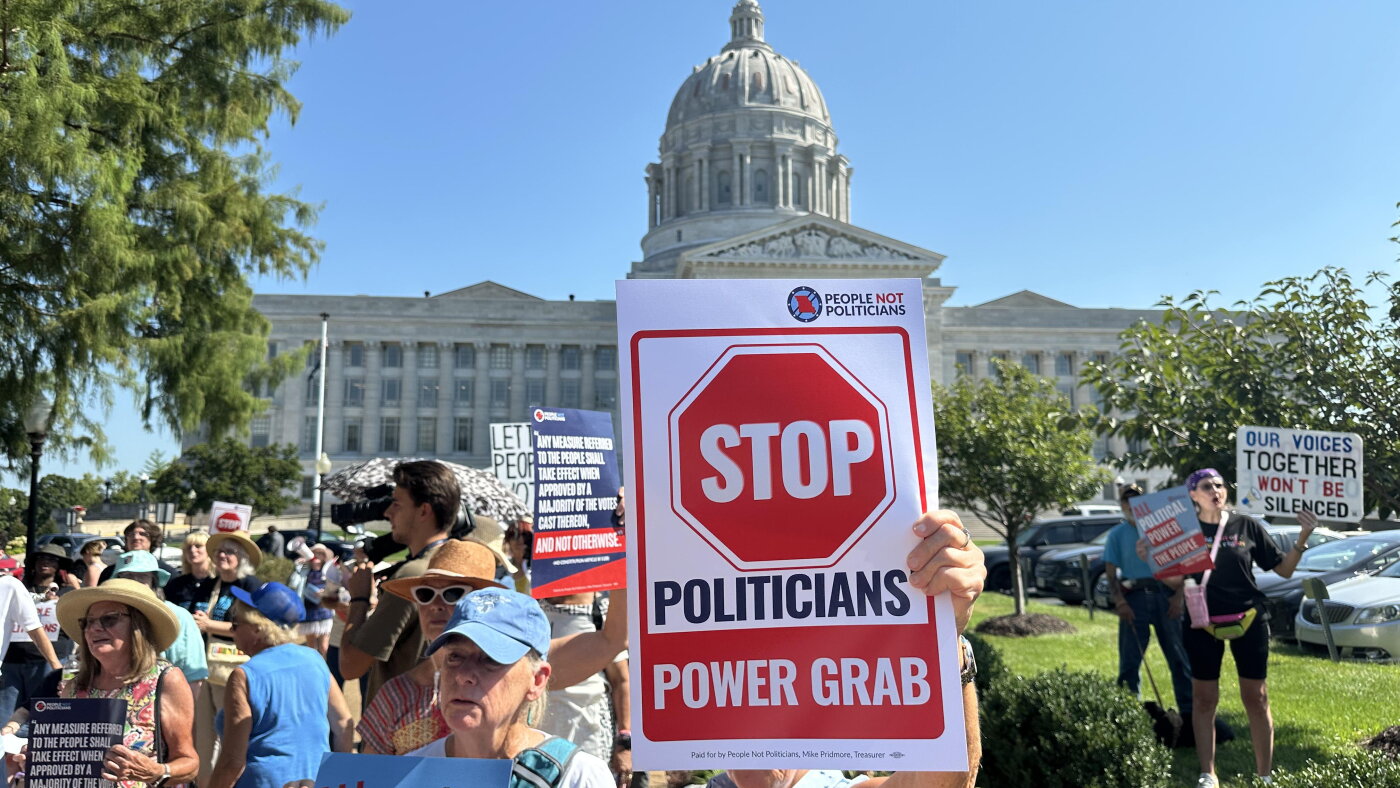
Typically, redistricting occurs each decade. However, Trump’s initiative resulted in a GOP advantage, prompting opponents to gather signatures for a ballot vote on the Missouri map this November.
Earlier this month, the Missouri Supreme Court ruled that the GOP-supported map never became law due to the pending ballot question. This decision came despite the map’s use in the August 4 primaries, with the court attributing responsibility to Republican Secretary of State Denny Hoskins for proceeding without voter approval.
The U.S. Supreme Court supported this view, referencing a state court decision in May that necessitated voter approval for the GOP map prior to its implementation. The federal court had previously sided with Republican interests, allowing the use of the map, but the Supreme Court’s latest ruling overturned this.
Republicans have contended that the map should be upheld as over a million Missourians voted in the primaries using it. In contrast, redistricting opponents criticized the prolonged process and attributed the delay to Republican attempts to push through the new map without proper endorsement.
For further insights and updates on this issue, Jason Rosenbaum provides ongoing political coverage for St. Louis Public Radio.


Comments are closed.