SNAP Benefits Face Uncertainty Amid Government Shutdown
As the nation looks to Washington for a resolution, the Supreme Court has extended an order that prevents the full distribution of Supplemental Nutrition Assistance Program (SNAP) payments. This comes at a crucial time when the government shutdown could soon be resolved, potentially allowing food aid payments to continue.
Currently, a disordered situation persists, with some SNAP beneficiaries receiving their full monthly amounts, while others have seen no aid. The court’s decision maintains this state for a few more days, with the order set to expire just before midnight on Thursday.
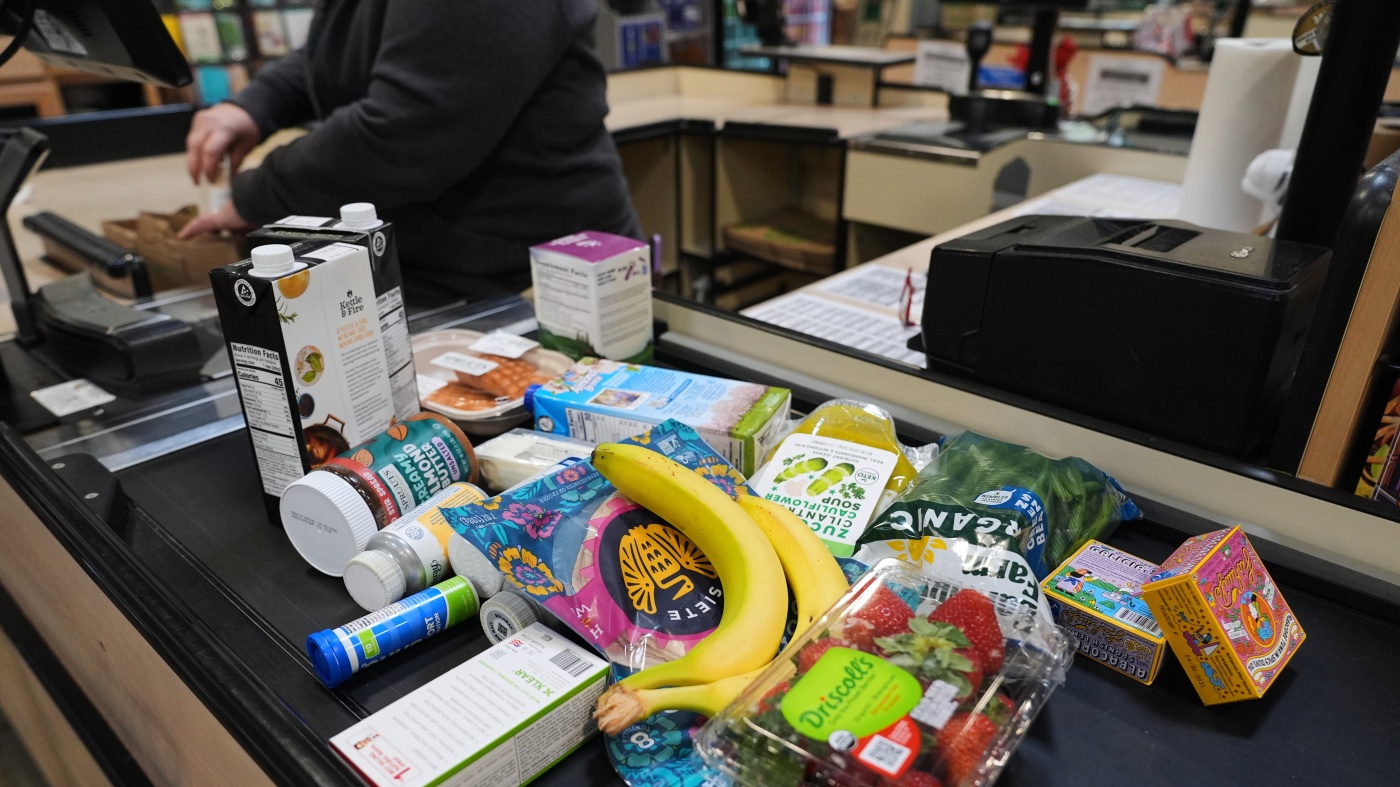
While the Senate has passed a bill to terminate the shutdown, the House of Representatives is expected to vote on it soon. Should the government reopen, it would enable the resumption of the SNAP program that supports 42 million Americans in purchasing groceries. However, there remains uncertainty about the timeline for full payment resumption.
In choosing this course, the justices have opted for minimal disruption, anticipating an end to the shutdown without directly ruling on the legalities surrounding lower court orders that demanded full payments during the shutdown.
Justice Ketanji Brown Jackson stood alone in her advocacy for immediately reviving the lower court orders, though she did not elaborate on her reasoning. Previously, Jackson had signed an initial order that temporarily halted the payments.
Across the states, SNAP recipients have experienced varying levels of assistance, with some receiving full benefits and others none. Partial payments have been made in certain areas, leading to challenges in disbursing the remaining amounts.
Carolyn Vega from the advocacy group Share Our Strength highlighted potential technical hurdles for states that have already issued partial benefits but noted it is simpler to issue full payments rapidly compared to partial ones.
An Urgent Need for Beneficiaries
For many, the stakes are high. In Pennsylvania, some received full November benefits, but others like Jim Malliard, a caretaker for his family, have not received any aid. Malliard, who depends on the $350 monthly SNAP payment, is left with only $10 and a dwindling pantry.
“It’s kind of been a lot of late nights, making sure I had everything down to the penny to make sure I was right,” Malliard stated. “To say anxiety has been my issue for the past two weeks is putting it mildly.”
In response to the political turmoil, some Americans have taken grassroots action. Ashley Oxenford, a teacher in New York, established a “little food pantry” in her yard, saying, “I’ve spent money on dumber stuff than trying to feed other people during a manufactured famine.”
SNAP at the Center of Legal Disputes
Amid the shutdown, the Trump administration halted SNAP funding past October, leading to lawsuits and conflicting judicial decisions affecting food access for millions. Initially, the administration complied with orders to provide partial funding, proposing up to 65% of regular benefits. However, it resisted a judge’s demand for full funding in November, citing the necessity to reserve funds for other emergencies.
The Supreme Court paused this order, while an appeals court had previously mandated full funding to resume, a requirement delayed by the Supreme Court’s intervention.
Congressional Efforts to Reopen Government
Efforts to end the shutdown have seen progress, with the Senate approving a bill to reopen the government, including SNAP funding. The House may soon deliberate on this bipartisan proposal. President Trump, when asked about the bill, remarked, “looks like we’re getting close to the shutdown ending.”
Despite this, the Trump administration argued in court that the responsibility for resolving the crisis lies with Congress, not the judiciary. “The answer to this crisis is not for federal courts to reallocate resources without lawful authority,” said Solicitor General D. John Sauer.
Following the Supreme Court’s ruling, Attorney General Pam Bondi acknowledged the decision, thanking the Court for allowing Congress to proceed with its attempts to resolve the situation.
Meanwhile, a coalition of cities and nonprofit groups attributed the confusion to the Department of Agriculture, stating, “The chaos was sown by USDA’s delays and intransigence,” rather than efforts by district courts to mitigate the impact on families in need.