Supreme Court to Tackle Key Trump Administration Appeals
The U.S. Supreme Court is gearing up for a busy term with a slew of appeals from the Trump administration making their way through the legal system. With significant cases on tariffs, the Federal Reserve Board, and the Alien Enemies Act, the justices will soon face decisions that could have considerable implications for U.S. policy and governance.
Key Cases Awaiting the Court’s Attention
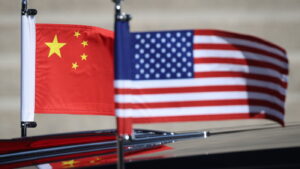
Among the most prominent issues is the question of tariffs. Recently, the U.S. Court of Appeals for the Federal Circuit determined, by a 7 to 4 vote, that the president may have overstepped his authority by imposing worldwide tariffs with minimal constraints. The circuit court’s decision is currently on hold pending a Supreme Court review, making it highly probable that the justices will address this matter within the current term.
The role of the Federal Reserve Board is another critical issue. The Supreme Court has recently indicated a willingness to revisit longstanding precedents regarding the independence of agency heads. President Trump has dismissed Federal Reserve Board member Lisa Cook, appointed by President Biden, and her case now serves as a pivotal test of the Fed’s independence—raising concerns among lawmakers and business leaders about potential shifts in the board’s apolitical status.
Controversial Use of the Alien Enemies Act
Another significant legal challenge involves the Alien Enemies Act, a centuries-old law permitting the deportation of immigrants during foreign invasions. The Supreme Court previously remanded the case to the conservative 5th Circuit Court of Appeals to evaluate the legality of Trump’s actions under this law. A panel from the 5th Circuit ruled that Trump’s use of the Alien Enemies Act to deport individuals was illegal, with Judge Leslie Southwick noting that illegal immigration does not equate to an “armed and organized invasion” as defined by the act.
State vs. Federal Authority in Immigration Enforcement
Additionally, a federal judge recently found that the president lacked the authority to deploy the National Guard and Marines in California to manage protests against immigration enforcement without the state’s governor’s consent. This decision further complicates the administration’s immigration policies and underscores the ongoing tension between state and federal powers.
As the Supreme Court reconvenes, these cases will be at the forefront of the docket, promising a term filled with consequential decisions that will shape the landscape of American law and governance.