
The Supreme Court Reinstates Controversial Voter Verification System
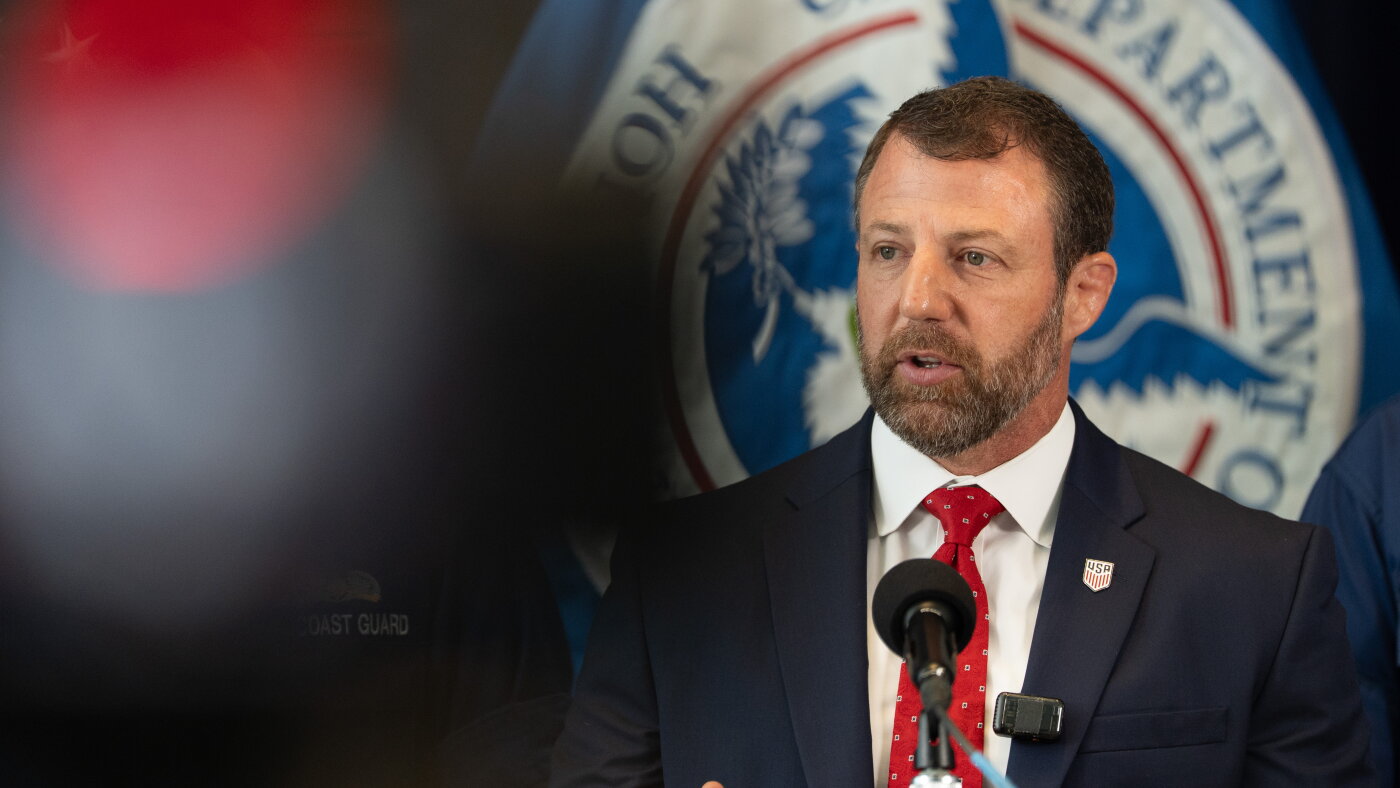
In a significant development, the U.S. Supreme Court has temporarily reinstated the federal data system used by the Department of Homeland Security (DHS) to verify the citizenship status of American voters. This system, known as the Systematic Alien Verification for Entitlements (SAVE), had been previously halted after it incorrectly identified some eligible voters as noncitizens.
The Trump administration has been intensifying efforts to locate noncitizens on voter lists ahead of the upcoming election. For this purpose, many states have shared their voter data with SAVE, which had been processed before a federal judge blocked it in June.
With the Supreme Court’s recent decision, the administration can resume its use of SAVE in efforts to identify noncitizens on voter rolls. However, the potential impact on the midterm elections remains uncertain, as federal law prohibits states from systematically removing voters from their rolls within 90 days of a federal election.
Despite the court’s ruling, a coalition of organizations, including the League of Women Voters, continues to challenge the SAVE program, arguing that it unlawfully targets American voters. “Today’s decision is profoundly disappointing, as it puts millions of Americans at risk of being unlawfully targeted,” the coalition stated.
The Modification of SAVE
SAVE, initially designed to verify the immigration status of noncitizens for public benefits, was revamped by the DHS to include Social Security Administration data, enabling bulk queries of voter rolls. This overhaul aimed to verify voter registration and detect deceased individuals in federal records.
However, U.S. District Judge Sparkle Sooknanan blocked the modified SAVE, citing violations of multiple laws. Her ruling emphasized the privacy violations and potential threats to citizens’ voting rights.
Despite the legal setbacks, the Trump administration’s appeal to the Supreme Court highlighted that SAVE had verified over 65 million voters, identifying thousands as potential noncitizens.
Controversies and Challenges
The administration’s approach has faced criticism, with Justice Ketanji Brown Jackson noting the potential harm to voters mistakenly flagged by SAVE. Concerns have been raised about the program’s error rate and the risk of eligible citizens being disenfranchised.
In Texas, an example of SAVE’s impact was evident when 2,724 voters were flagged as potential noncitizens, and a subsequent review revealed that a significant percentage were actually citizens. This resulted in wrongful removals from voter rolls.
President Trump’s executive order, signed in March, directed federal agencies to utilize SAVE in compiling lists of adult U.S. citizens by state. The order aimed to investigate and prosecute election officials who provide ballots to ineligible voters, though it has faced legal challenges and delays.
As the midterm elections approach, the debate over SAVE’s role in voter verification continues, with ongoing litigation and scrutiny over its implementation and implications for voting rights.
Comments are closed.