Voter Decision in Taiwan Thwarts Legislative Recall Attempts
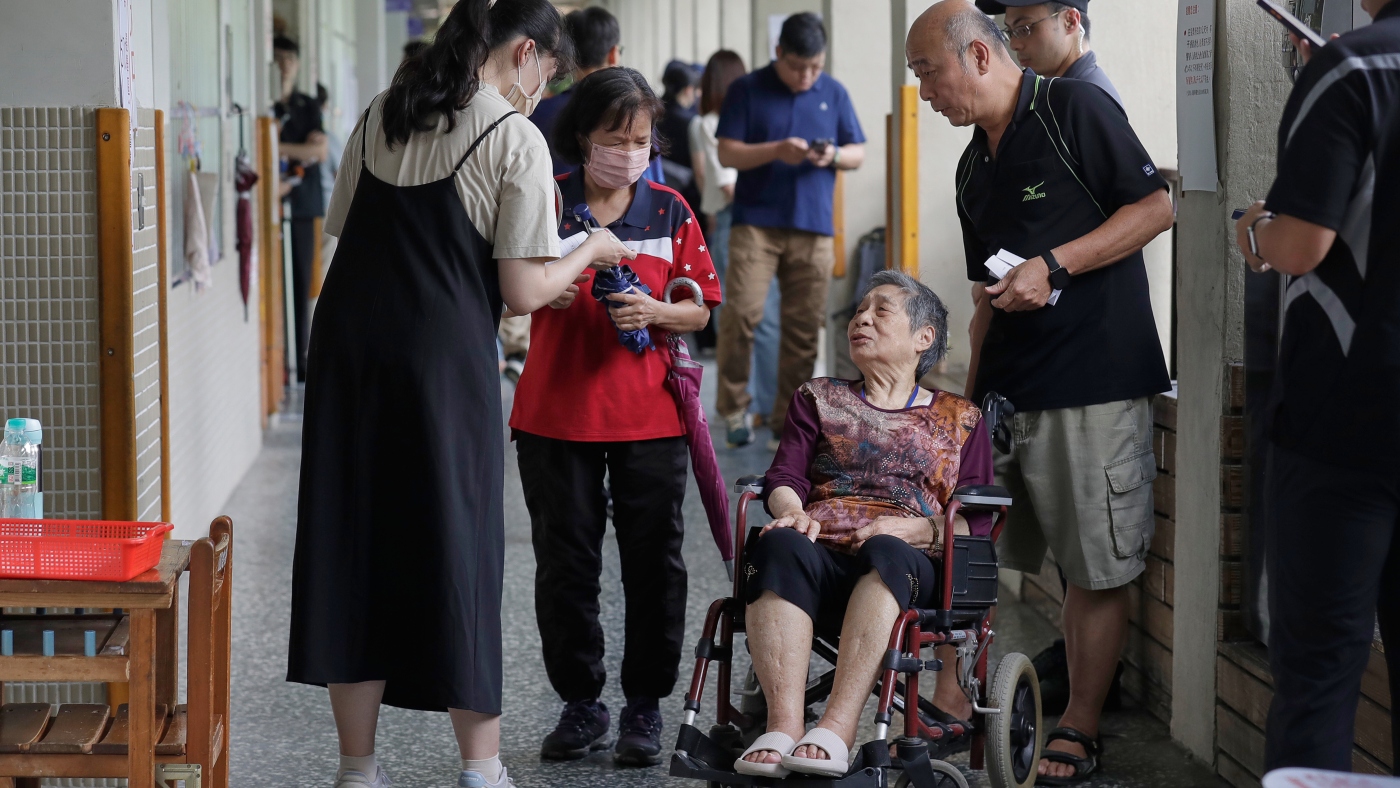
In a significant political event, Taiwanese citizens voted against efforts to remove approximately 20% of lawmakers from the opposition Nationalist Party, also known as the KMT, during a recall election held on Saturday. This outcome reduces the ruling Democratic Progressive Party’s (DPP) ambitions to alter the legislative power dynamics within the self-governed island.
Despite the DPP’s victory in last year’s presidential election, the KMT and the smaller Taiwan People’s Party still hold enough seats to maintain a majority bloc. As votes were tallied, it became evident that no KMT lawmakers were removed, with most holding their positions by comfortable margins. The recall initiative is unprecedented in its scope, with a further seven KMT legislators facing similar votes slated for August 23.
Should the DPP not gain favorable results in the upcoming August vote, it could signal ongoing legislative challenges for President Lai Ching-te leading up to the next major elections, anticipated in 2028.
“An Uphill Battle”
Proponents of the recall faced significant challenges in attempting to unseat lawmakers in regions historically dominated by the KMT, according to Lev Nachman, a political science professor at National Taiwan University. “At the moment, there is very little Lai can do other than try to think of other creative ways to appeal to the public,” Nachman explained to The Associated Press.
The recall’s failure to succeed will further complicate President Lai’s efforts to advance his political agenda, particularly with local elections looming next year. Fu Kun-chi, a prominent and contentious figure among the targeted lawmakers, commented that the recall’s outcome necessitates dialogue with the opposition to ensure Taiwan’s stability in a turbulent global environment.
Democracy Under Debate
Supporters of the recall were frustrated by the KMT’s obstruction of key legislation, including the defense budget, and their controversial legislative changes perceived as weakening the executive branch and favoring China. The KMT, however, has accused the ruling party of using the recalls as political retribution, challenging the democratic processes of Taiwan.
Currently, the KMT holds 52 seats in the legislature, while the DPP has 51. For the DPP to secure a majority, they would need to unseat at least six KMT legislators and win subsequent by-elections, mandated within three months post-results announcement.
The recall’s passage requires over a quarter of eligible district voters to support it, with this support surpassing opposition votes. Polling concluded at 4 p.m. local time, and Taiwan’s Central Election Commission is set to announce official results on August 1.
Election Sparks Tensions
The recall elections have heightened tensions between factions either supporting the status quo or advocating for closer relations with Beijing. Critics argue that politicians favoring China are compromising Taiwan, while these politicians assert their connections are crucial for dialogue, especially as Beijing remains unwilling to engage with the DPP.
In response to the recall elections, Zhu Fenglian, a spokesperson for China’s Taiwan Affairs Office, criticized the Lai administration for allegedly striving for “one-party dominance” under a democratic facade. Meanwhile, Taiwan’s mainland affairs council accused Chinese authorities and media of attempting to interfere with the electoral process.