The Origins of “Gerrymandering”: A Historical Perspective
In the lexicon of American political discourse, few terms are as controversial and enduring as “gerrymandering.” This word, which describes the manipulation of electoral district boundaries for political gain, traces its origins back to an unlikely source from the early 19th century: Elbridge Gerry.
A Founding Father’s Legacy
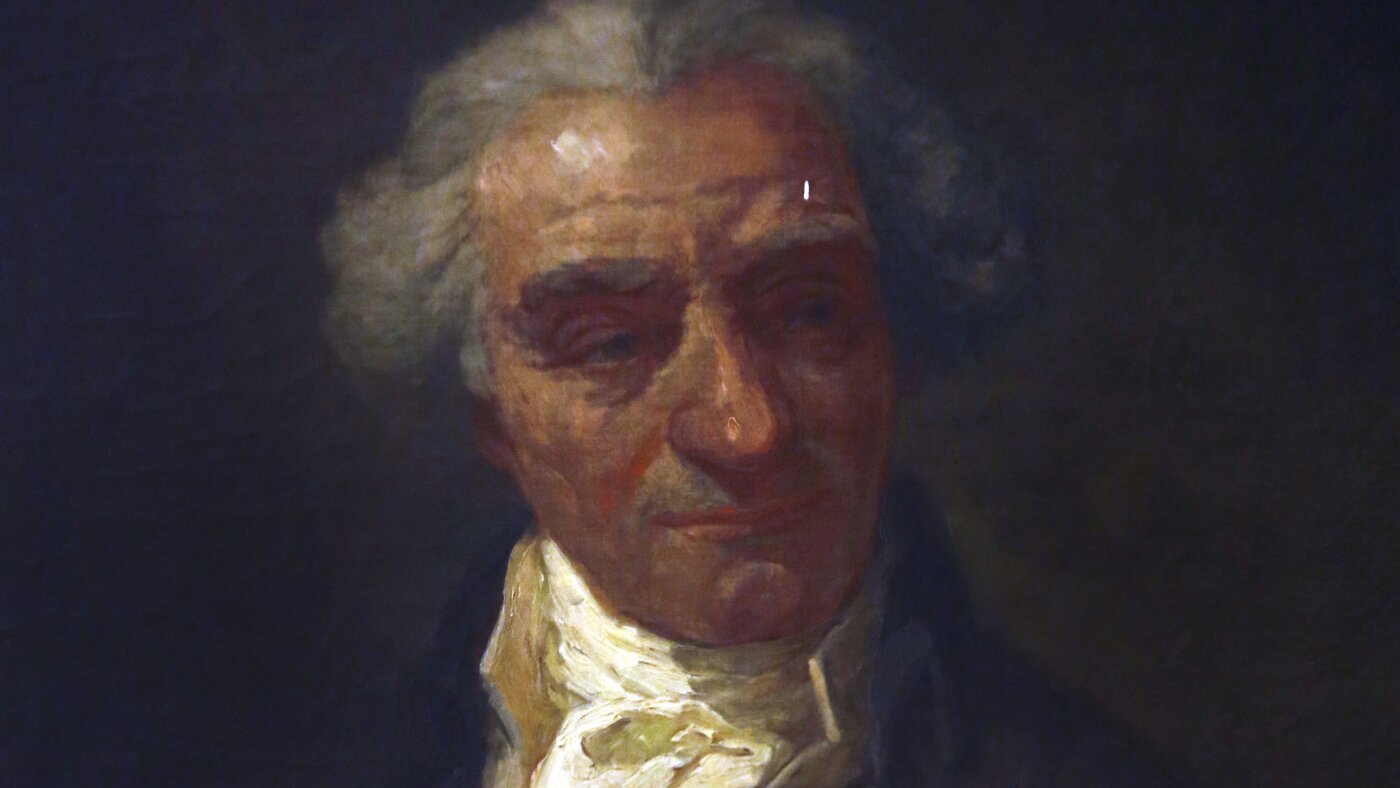
While names like Samuel Adams and John Hancock are well-known among the Founding Fathers, Elbridge Gerry’s contributions are often overshadowed. Despite being an ardent advocate for American independence and serving as Vice President under James Madison, Gerry is most famously linked to the term “gerrymander.”
Gerry’s opposition to signing the Constitution due to the absence of a Bill of Rights highlights his commitment to individual freedoms, yet it is his role in a much less significant event that keeps his name alive today.
The Birth of a Political Term
The year was 1812, and Gerry, then the governor of Massachusetts, approved a redistricting plan intended to benefit his Democratic-Republican Party. This plan resulted in a district so oddly shaped that it was likened to a mythical salamander. A satirical cartoon in the Boston Gazette named it the “Gerry-mander,” combining Gerry’s name with “salamander” to capture its bizarre form.
Doug Harper, from etymonline.com, points out that “it’s a word, but it comes out of a visual image.” The original cartoon depicted the district as a monstrous figure, which, despite its name, did not resemble a salamander.
Lingering Influence
Though Gerry’s political maneuvering was not unique, it has left a lasting legacy. “Gerrymander” has become a common eponym, much like “boycott” or “shrapnel,” terms that derive from people’s names, according to Harper. These words endure in language long after their origins are forgotten.
Despite the critical role Gerry played in America’s formative years, it is this rather obscure political maneuver that etches his name in history. As historian David O. Stewart notes, “None of us picks how we’re going to be remembered… So being remembered is, I suppose, better than not.”
In a world where political tactics continue to evolve, the legacy of gerrymandering persists, reminding us of its origins in the early days of American governance.