U.S. Increases Pressure on Venezuelan President with Terror Designation
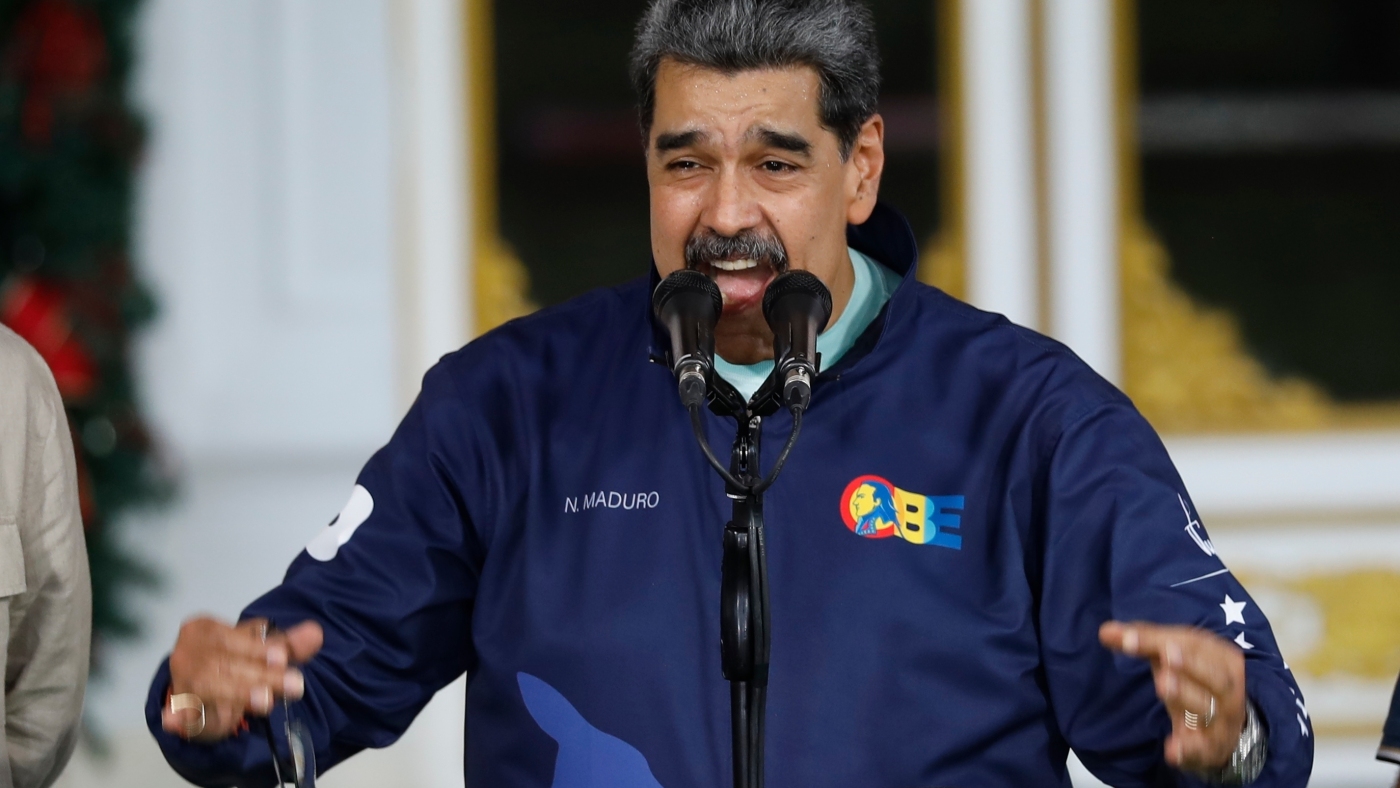
In a bold move to curb drug trafficking, the Trump administration is poised to label the Cartel de los Soles as a foreign terrorist organization. This step aims to intensify pressure on Venezuelan President Nicolás Maduro. However, the U.S. claims that the so-called cartel led by Maduro is not a traditional cartel.
U.S. Secretary of State Marco Rubio, previewing the decision, accused the Cartel de los Soles of being “responsible for terrorist violence” in the region. This step is part of a broader campaign against drug trafficking into the United States.
Increasing military actions, such as potential land strikes, are under consideration as Trump evaluates strategies against Venezuela. These actions are part of a larger operation involving military presence in the Caribbean and operations targeting drug trafficking boats.
The term Cartel de los Soles originated in the 1990s, referring to military officers engaging in drug-related activities. Over time, it expanded to include various officials involved in illegal activities like mining and fuel trafficking. The “suns” symbolize the insignia on military uniforms.
In 2020, the U.S. Department of Justice indicted Maduro and his associates on charges of narcoterrorism, thus elevating the concept of Cartel de los Soles to a Maduro-led drug-trafficking organization. Adam Isaacson from the Washington Office on Latin America stated, “It’s not like a group that people would ever identify themselves as members. They don’t have regular meetings. They don’t have a hierarchy.”
Trump’s Expansion of Terror Designations
Historically, foreign terrorist organization labels targeted groups like the Islamic State. However, the Trump administration extended this label to eight Latin American criminal organizations involved in drug trafficking and other crimes.
Despite the aggressive military operations, the administration has yet to provide concrete evidence of the organizations behind the drug trafficking. The strikes, which started near Venezuela and expanded to the Pacific, aim to stop drugs from reaching U.S. cities.
Many perceive these military actions as attempts to undermine Maduro’s long-standing rule. The U.S.-backed Venezuelan opposition sees this as an opportunity to challenge Maduro’s authority.
Maduro’s third term came after an election with alleged irregularities, with accusations of human rights violations against opponents. The opposition claims credible evidence that their candidate won by a significant margin.
New Options for the U.S.
U.S. Defense Secretary Pete Hegseth highlighted that the designation of Cartel de los Soles offers “new options” for dealing with Maduro. However, specific plans remain undisclosed, with no confirmation of potential land strikes.
Trump administration officials doubt the sustainability of Maduro’s rule, considering various military and non-military strategies, including potential CIA actions. An official noted Trump’s satisfaction with the impact of recent military strikes.
Despite Maduro’s attempts to engage with the U.S. administration, Trump has not authorized any direct communication. The indictment against Maduro accuses him of conspiring to “flood the United States with cocaine,” using the drug trade as a weapon.
Controversy Over Drug Trafficking Allegations
The U.S. indictment claims Maduro collaborated with Colombian rebels and military officials to transport cocaine. Before disarming in 2016, FARC rebels used the Venezuela-Colombia border as a drug trafficking hub.
Maduro denies these allegations, accusing the U.S. of fabricating a narrative to topple him. He references a U.N. report suggesting only 5% of Colombian cocaine passes through Venezuela.
In July, the U.S. Treasury Department sanctioned the Cartel de los Soles for aiding narcotics trafficking to the U.S., alleging connections with Venezuelan and Sinaloa cartels, both designated as terrorist organizations.