EPA Undergoes Major Reorganization Amidst Budget Cuts
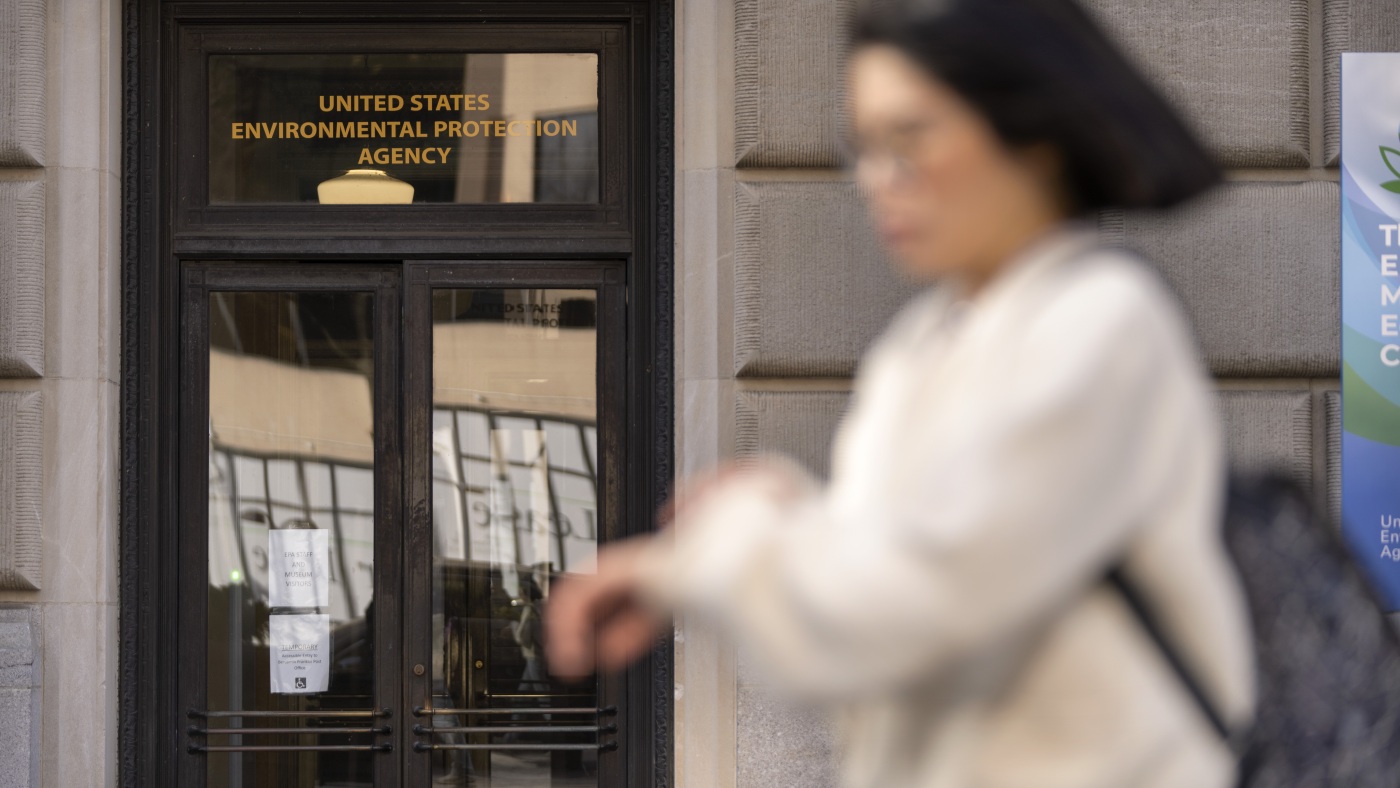
In a move that has sent ripples through the environmental policy community, the Trump administration has revealed plans to restructure the Environmental Protection Agency (EPA). This reorganization, announced on Friday, signals substantial reductions in the agency’s scientific research branch, sparking concern among experts.
The EPA, which currently employs about 15,000 workers, aims to reduce its workforce to levels akin to those during President Ronald Reagan’s era, where staffing ranged from 11,000 to 14,000 employees. EPA Administrator Lee Zeldin stated the agency will “operate as efficiently and effectively as possible,” as reported in their official announcement.
Impact on the Office of Research and Development
The restructuring primarily impacts the Office of Research and Development (ORD), the EPA’s scientific backbone responsible for analyzing environmental risks. Plans include redistributing some scientific staff into policy-making offices while creating new offices for others. The ORD’s role in providing independent scientific assessments is crucial for formulating regulations concerning air pollution, chemicals, and other environmental hazards.
Former EPA official Jennifer Orme-Zavaleta expressed concerns, stating, “By splitting things up or eliminating that expertise, we put people at greater risk and we put this country at greater risk.” The ORD has historically been at the forefront of identifying environmental health hazards, such as PFAS and ozone-related health issues.
Concerns Over Budget Cuts
The reorganization aligns with prior announcements from Zeldin regarding significant budget cuts. The Trump administration’s budget proposal to Congress suggests a 45% reduction in ORD’s budget, part of a broader plan to decrease EPA’s funding by 65% over the coming years.
Chris Frey, a research dean at North Carolina State University and former ORD leader, highlighted the impact, stating, “The magnitude of these kinds of cuts would really affect the entire research enterprise of the EPA.”
Reactions and Future Outlook
During a recent meeting, EPA leadership encouraged ORD’s 1500 staff members to apply for approximately 500 newly created positions, likening the situation to a game of “musical chairs” with fewer seats available. An unnamed EPA scientist voiced concern, fearing widespread job losses.
This reorganization is part of a series of changes at the EPA, including the review of over two dozen environmental rules and the closure of offices focused on environmental justice and diversity initiatives. The administration’s first 100 days have seen cuts across federal scientific programs, affecting agencies such as the National Oceanic and Atmospheric Administration and the National Institutes of Health.