French Firm TotalEnergies Shifts Focus from U.S. Offshore Wind to Fossil Fuels
In a significant shift in energy strategy, TotalEnergies, a leading French energy company, has struck a deal with the Trump administration to withdraw from offshore wind projects in the United States. This development has raised concerns among industry analysts about the potential impact on business confidence and infrastructure investment in the country.
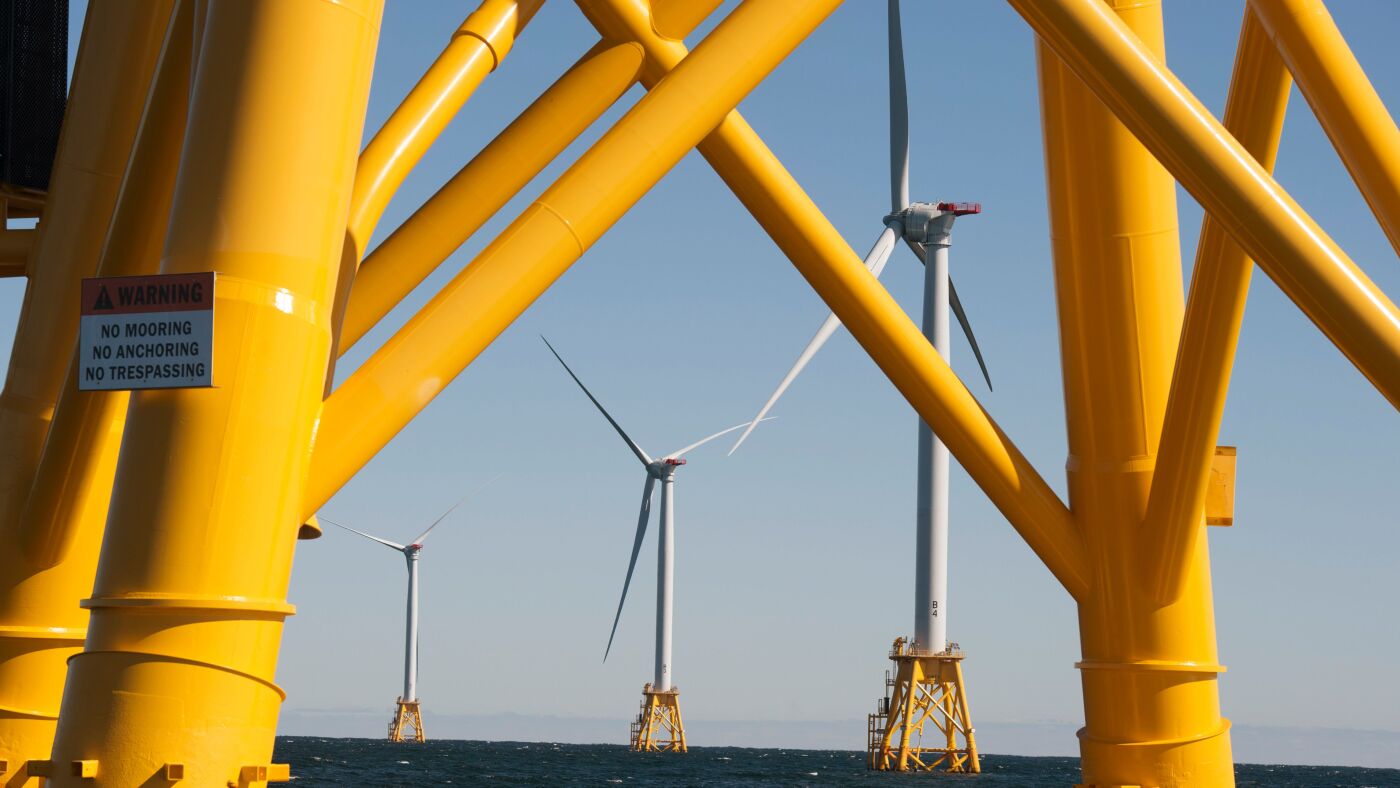
The agreement with TotalEnergies, announced on Monday, involves the company recovering nearly $1 billion paid for offshore wind leases off the coasts of North Carolina and New York. Instead, the company plans to redirect this investment towards U.S. oil and gas production, including the development of a liquefied natural gas plant in Texas.
As part of the deal, TotalEnergies has committed not to pursue new offshore wind projects in the United States, arguing that such investments are not aligned with the country’s interests. The company’s chief executive, Patrick Pouyanné, described the agreement as mutually beneficial for both TotalEnergies and the U.S. government.
“The Trump administration has created a new playbook for how a sitting president can constrain energy resources or policies it opposes,” noted Timothy Fox, managing director at ClearView Energy Partners, highlighting concerns over the use of executive power to influence private sector decisions.
Leslie Abrahams from the Center for Strategic and International Studies expressed worries that such executive interventions might deter infrastructure spending not only in offshore wind but across the entire energy sector. “This new dimension of policy uncertainty can make it so that we have fewer infrastructure projects that happen more slowly and are more expensive,” she said.
The Interior Department, which facilitated the deal, praised the agreement as a victory for President Trump’s commitment to affordable energy. In contrast, Evan Vaughan of the Mid-Atlantic Renewable Energy Coalition expressed disappointment, stating that the focus should remain on harnessing all energy sources to meet rising power demands.
While the Trump administration and TotalEnergies question the viability of offshore wind in the U.S., grid operators along the East Coast emphasize the importance of such projects for ensuring electric reliability and meeting growing energy needs.
Industry experts, like Nick Krakoff from the Conservation Law Foundation, speculate on the potential for similar deals with other companies holding leases for future wind projects in federal waters, though TotalEnergies’ extensive existing oil and gas operations might have uniquely positioned it for this agreement.
As the U.S. energy landscape faces uncertainty, Timothy Fox warns of the broader implications for the industry. “Even if you have a next president who says, ‘We love offshore wind,’ you may be wondering, ‘Will there be another Trump-like opposition thereafter?'” he remarked, emphasizing the risks associated with political swings in energy policy.