
U.S.-Venezuela Oil Deal Sparks Questions and Skepticism
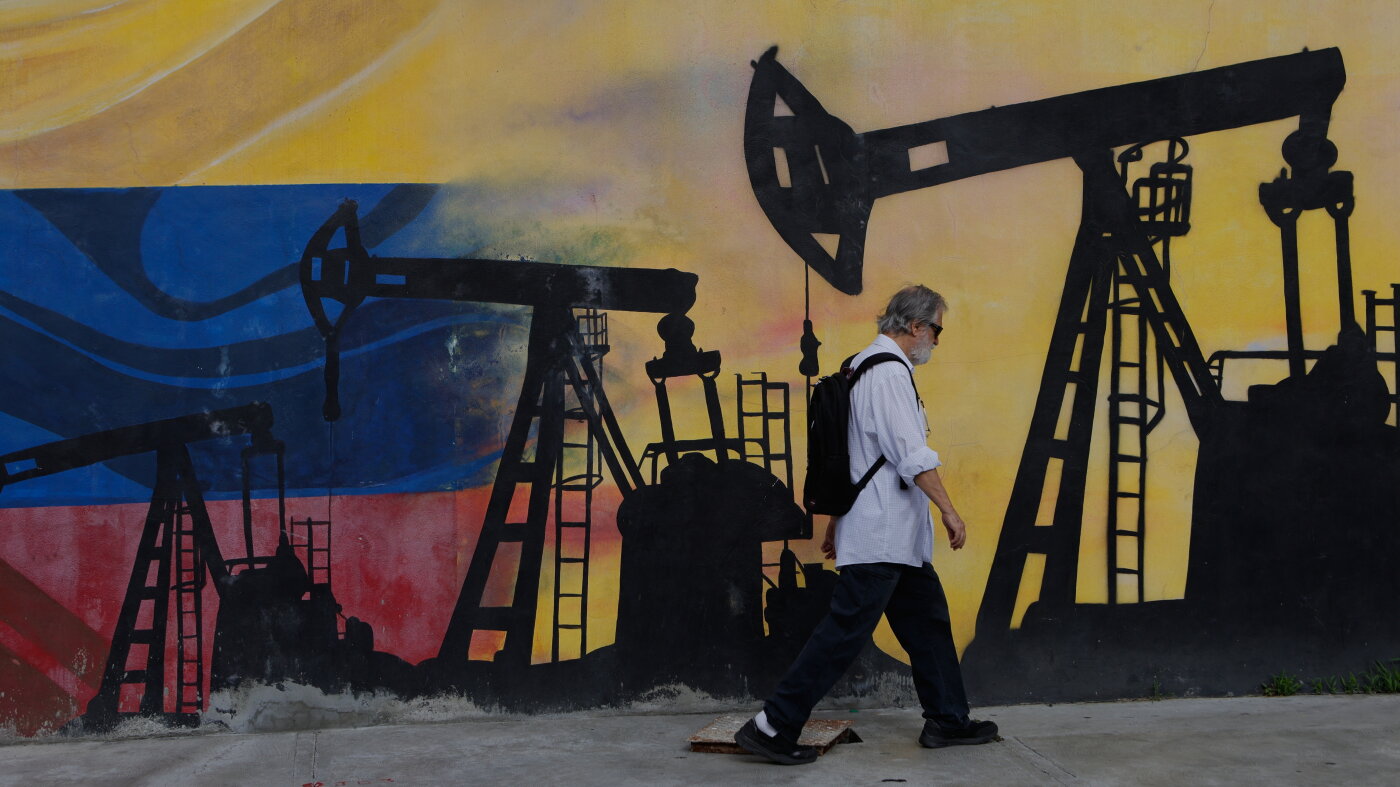
The United States has announced a groundbreaking agreement with Venezuela, aimed at tapping into the South American nation’s vast oil reserves. However, the deal, touted by President Donald Trump as the “biggest oil deal in the world,” has raised eyebrows among energy experts who urge caution.
An official from the U.S. government, speaking on condition of anonymity, disclosed that the agreement involves a joint venture with a private Venezuelan company. This venture would grant the U.S. a significant 55% share of Venezuela’s oil output, estimated to be around 65 billion barrels.
The Complexities of U.S. Involvement in Oil Ventures
Unlike countries such as Saudi Arabia and Mexico, which have national oil companies like Saudi Aramco and Pemex, the United States lacks a similar entity. Francisco Monaldi, director of the Latin America Energy Program at Rice University, notes that this absence makes the U.S. government’s role as a stakeholder “extremely unusual.”
Gerald Kepes, an energy consultant based in Washington, D.C., raises concerns about the operational capabilities on the ground, questioning, “Who’s going to operate on the ground?” The details of how the U.S. will engage with the private Venezuelan company remain unclear.
Investor Hesitance and Market Volatility
There is uncertainty about which U.S. oil companies might be interested in participating in the venture. Paasha Mahdavi, a political science associate professor at UC Santa Barbara, highlights that the “at-cost” nature of the deal could deter potential investors. In a volatile oil market, where prices can skyrocket, such agreements may not offer the lucrative gains companies seek.
Mahdavi asserts, “‘At cost’ is not attractive in this industry,” emphasizing the need for capturing premiums above production costs.
Legitimacy Concerns Surrounding Venezuelan Leadership
The deal’s legitimacy is further complicated by the political situation in Venezuela. Acting President Delcy Rodríguez, who assumed office following the arrest of former President Nicolás Maduro, did not come to power through an election. This raises questions about the stability and future of the government that the U.S. is striking a deal with.
Rodríguez has publicly stated the deal benefits Venezuelans, yet some citizens and experts, including Kepes, remain skeptical about its fairness and longevity.
Impact on Gas Prices Remains Uncertain
President Trump has claimed that this agreement will lead to lower gas prices for Americans. However, experts like Kepes dismiss the notion that the deal will influence prices in the near term. Many of the oil fields involved are still undeveloped, suggesting that any production increase is years away.
“A significant increase in production is highly unlikely,” Monaldi highlights, implying that any effect on global oil markets will not be immediate.




Comments are closed.