U.S. and Japan Reach New Trade Agreement Amidst Tariff Tensions
In a significant move aimed at reshaping trade ties, President Donald Trump announced a new trade framework with Japan, which introduces a 15% tax on Japanese imports to the United States. This announcement marks a notable shift from the previously proposed 25% tariff, originally set to take effect on August 1.
“This Deal will create Hundreds of Thousands of Jobs — There has never been anything like it,” Trump shared on Truth Social, emphasizing the enduring partnership between the U.S. and Japan.
The agreement also involves Japan investing $550 billion in the U.S. economy and opening its markets to American automobiles and agricultural products like rice. These measures come as part of broader efforts to balance trade relations and stimulate economic growth.
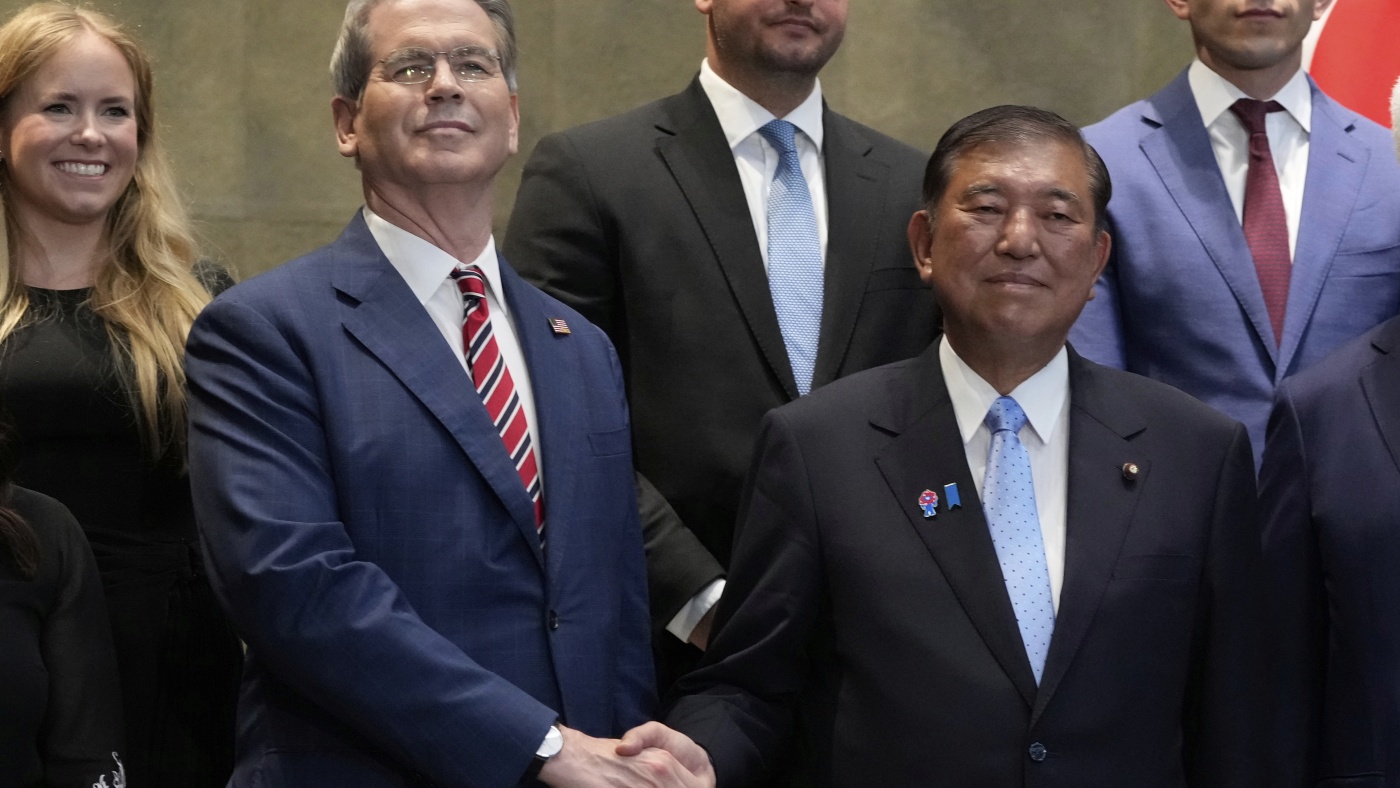
Japanese Prime Minister Shigeru Ishiba acknowledged the new pact, highlighting its potential to benefit both nations and foster closer cooperation.
This trade initiative is part of Trump’s broader strategy to utilize tariffs as a tool to secure advantageous deals for the U.S. economy. Despite initial market jitters when tariffs were first announced in April, the administration is pushing the narrative that these measures will help reduce the budget deficit and encourage domestic manufacturing.
However, the imposition of tariffs continues to raise concerns about potential price hikes for consumers and businesses. For instance, General Motors recently reported a 35% decline in its second-quarter net income, attributing part of the downturn to the impact of tariffs. The company’s stock subsequently experienced a significant drop.
As the August 1 deadline approaches, the Trump administration has also announced a trade framework with the Philippines, applying a 19% tariff on its goods while exempting American exports from duties. Additionally, a 19% tariff on imports from Indonesia remains in place.
In 2024, the U.S. experienced a $69.4 billion trade deficit with Japan, according to the Census Bureau. Trade imbalances also persist with Indonesia and the Philippines, at $17.9 billion and $4.9 billion respectively, highlighting the ongoing challenge of balancing international trade.
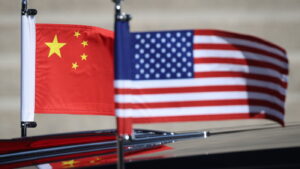
Negotiations with the European Union are set to continue, with Trump threatening a 30% tariff on EU goods if an agreement is not reached by the same August deadline. The U.S. is also engaged in ongoing trade discussions with China, where goods are currently subject to a 30% tariff.
Treasury Secretary Scott Bessent is scheduled to meet with Chinese officials in Stockholm next week to discuss shifting economic strategies. Bessent articulated the administration’s goal of transforming the U.S. into a manufacturing-centric economy, aligning with China’s potential pivot to increased consumption.
As Bessent stated on Fox Business Network’s Mornings with Maria, “President Trump is remaking the U.S. into a manufacturing economy. If we could do that together, we do more manufacturing, they do more consumption. That would be a home run for the global economy.”