Government Shutdown Ends, But Key Issues Remain Unresolved
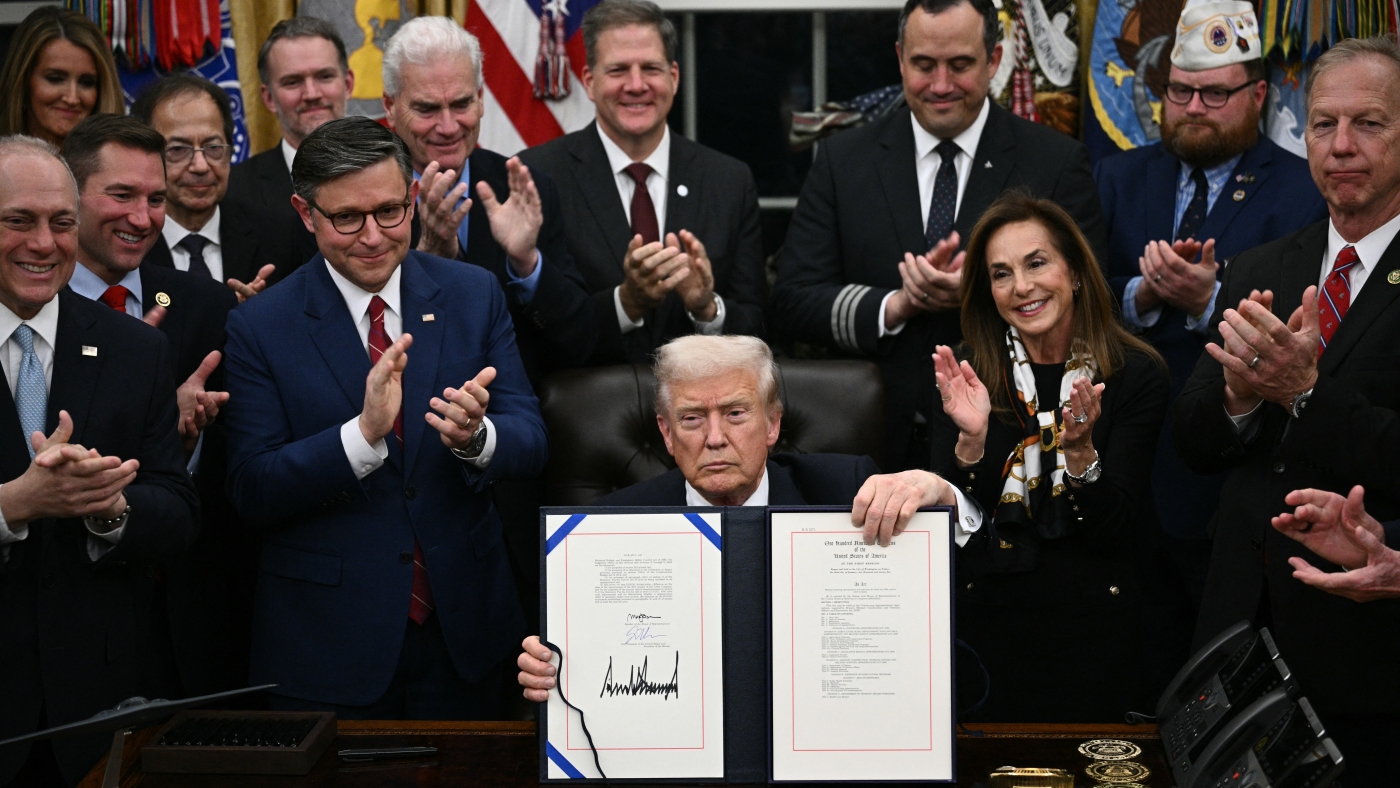
The longest government shutdown in U.S. history has concluded with President Donald Trump signing a new funding bill. The shutdown, which lasted 43 days, resulted in widespread disruptions and left lasting impacts on millions of Americans without achieving significant political gains.
Despite a narrow Republican majority, the bill was passed with a final vote of 222 to 209 in the House. Six Democrats—Reps. Henry Cuellar of Texas, Don Davis of North Carolina, Adam Gray of California, Jared Golden of Maine, Marie Gluesenkamp Perez of Washington, and Tom Suozzi of New York—voted alongside their Republican counterparts to secure the bill’s passage. However, two Republicans, Reps. Thomas Massie of Kentucky and Greg Steube of Florida, opposed the measure.
Trump’s Response and the Bill’s Provisions
President Trump promptly signed the bill after the House vote and attributed the shutdown to Democratic actions. “This was an easy extension but they didn’t want to do it the easy way,” Trump stated. “They wanted to do it the hard way.”
The legislation extends last year’s spending levels through January’s end for most government sectors, while some agencies receive funding through September. Notably, the bill ensures payments for the Supplemental Nutrition Assistance Program (SNAP), providing food aid to nearly 1 in 8 Americans, who have been caught in a court battle due to the shutdown. Additionally, it reverses layoffs enacted during the shutdown, offers backpay for federal employees, and establishes safeguards against further layoffs.
Despite these measures, the bill does not address the core issue of extending enhanced Affordable Care Act subsidies set to expire at year’s end. Instead, Senate Majority Leader John Thune, R-S.D., has promised to hold a vote on Democrat-drafted legislation to extend these subsidies by mid-December, as part of a bipartisan agreement reached with senators.
Democratic Skepticism and Political Stances
Many Senate Democrats remain skeptical about the pledge. Sen. Tammy Baldwin, D-Wisc., criticized the agreement, stating, “A handshake deal with my Republican colleagues to reopen the government and no guarantee to actually lower costs is simply not good enough.” Even if the Senate passes a December bill addressing the subsidies, it would require House approval, where Speaker Mike Johnson, R-La., has not committed to bringing it to a vote.
Historically, government shutdowns have proven ineffective in advancing party policy goals, and the recent shutdown was no exception. Senate Democrats initially refused to fund the government without a commitment from Republicans to extend ACA subsidies, pressured by their political base. During the shutdown, Senate Democrats hoped their firm stance and the shutdown’s severe impact on Americans would lead to negotiations with Republicans. However, Republicans remained steadfast, regularly voting to fund the government.
During the shutdown, 42 million SNAP participants faced disruptions in receiving food aid, air traffic controllers and TSA employees worked without pay, and the FAA scaled back flights due to unpaid personnel.
Future Legislative Challenges
Looking forward, Senate Democrats have approximately a month to draft a bill addressing ACA subsidies while gaining sufficient Republican support for passage. Success could provide Democrats with a policy victory, shaping their message for the upcoming midterm elections. If Republicans do not support the bill, Democrats still view healthcare as a favorable campaign issue.
Some Republicans have expressed interest in addressing the subsidies but seek reforms, including fraud prevention and income caps. Both parties face the challenge of funding the government for only a few months, necessitating the passage of nine additional appropriations bills before the current resolution expires.