
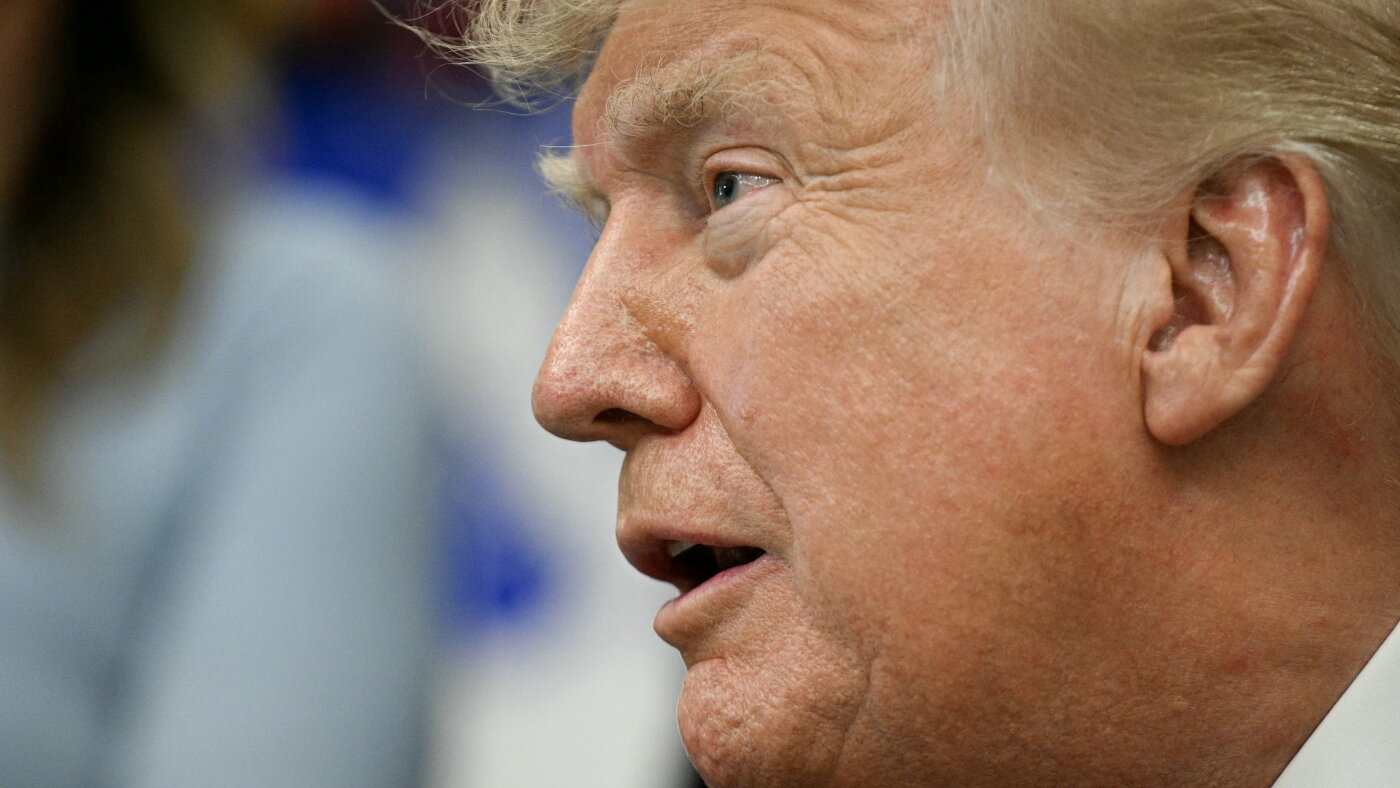
Trump’s UN Address Emphasizes US Power and Global Strategy
In a speech before the United Nations General Assembly, President Trump underscored the United States’ global influence, presenting the nation as a decisive leader in international affairs. As he addressed world leaders, Trump highlighted several initiatives in foreign policy and national interests.
Trump’s portrayal of himself as a peacemaker was central to his discourse, particularly when discussing recent international peace deals. He defended his approach towards Iran, emphasizing the potential threat posed by the country’s nuclear ambitions. “I hope the Europeans realize that Iran’s goal was to complete their mad dash to a nuclear bomb from behind this conventional ballistic missile shield; if they had succeeded, that wicked regime would have been free to spread terror and death forever, knowing that any attempt to stop them would face an arsenal of nuclear annihilation,” Trump stated.
Highlighting the situation in Venezuela, Trump referred to the U.S. involvement as a strategic move to secure a greater share of the world’s oil resources, stating, “When you add the United States and Venezuela together, we have more than 60% of the oil in the world. So it’s perhaps the biggest deal. It was a war, but it’s perhaps the biggest deal ever made. To the victor belong the spoils. You’ve all heard that.”
Trump’s remarks also included a call for members of the International Criminal Court to resign, labeling it as a “rogue institution.” He has previously conveyed that his authority is constrained only by his “own morality” and “own mind” (source).
The President also mentioned a new agreement with Denmark and Greenland, asserting U.S. rights in Greenland, and took the opportunity to spotlight domestic achievements, including economic growth, immigration policy, and crime reduction. “The entire world is being lifted by the wealth, strength, spirit and momentum of a newly energized and a very powerful United States of America,” Trump declared.
His address comes at a time when Trump faces political challenges, including a low approval rating and legal disputes with major news organizations like CNN, MS NOW, and Politico, which are pursuing legal action to regain White House access.
Looking ahead, Trump plans to engage in strategic diplomacy, including meetings with key international figures such as Ukraine’s President Volodymyr Zelenskyy and British Prime Minister Andy Burnham, highlighting the importance of private discussions over formal U.N. meetings. As Richard Fontaine from the Center for a New American Security remarked, “The meat of the diplomacy will be done in the private meetings, not at the U.N. Security Council or in the U.N. General Assembly.”
Artificial intelligence also emerged as a topic of concern, with Trump dismissing apprehensions about the technology’s risks, linking them to the “Russia hoax.” He expressed an intention to foster “super intelligence” rather than restrict it, amidst global efforts to establish regulatory frameworks.
China remains a pivotal topic, yet President Xi Jinping’s absence from the U.N. highlights the shifting focus to Washington, D.C., where he is expected to attend a state dinner with Trump. Heather Conley from the American Enterprise Institute notes the global attention will shift from New York to Washington during Xi’s visit.

Comments are closed.