A Complex Landscape: Minnesota’s Somali Community and Recent Political Turmoil
Minnesota is home to the largest Somali community in the United States, a vibrant group that has recently been thrust into the political spotlight. Tensions have been heightened as former President Trump made inflammatory remarks against Somali immigrants, labeling them as “garbage” and suggesting they should return to their homeland. This rhetoric has added to existing challenges faced by the community.
On a recent Tuesday, Trump criticized Somali immigrants, stating, “they’ve destroyed our country and all they do is complain, complain, complain.” This outburst followed his earlier threat to revoke temporary protections for Somali migrants.
These comments come amid broader criticisms of the Somali community, with some conservatives linking them to criminal activities in Minnesota’s social services system. Allegations of fraud have been used to tarnish the community’s reputation, despite the lack of comprehensive evidence implicating the entire group.
Adding to the pressure, U.S. Immigration and Customs Enforcement is reportedly planning a targeted operation focusing on Somali immigrants in Minnesota, as reported by The Associated Press.
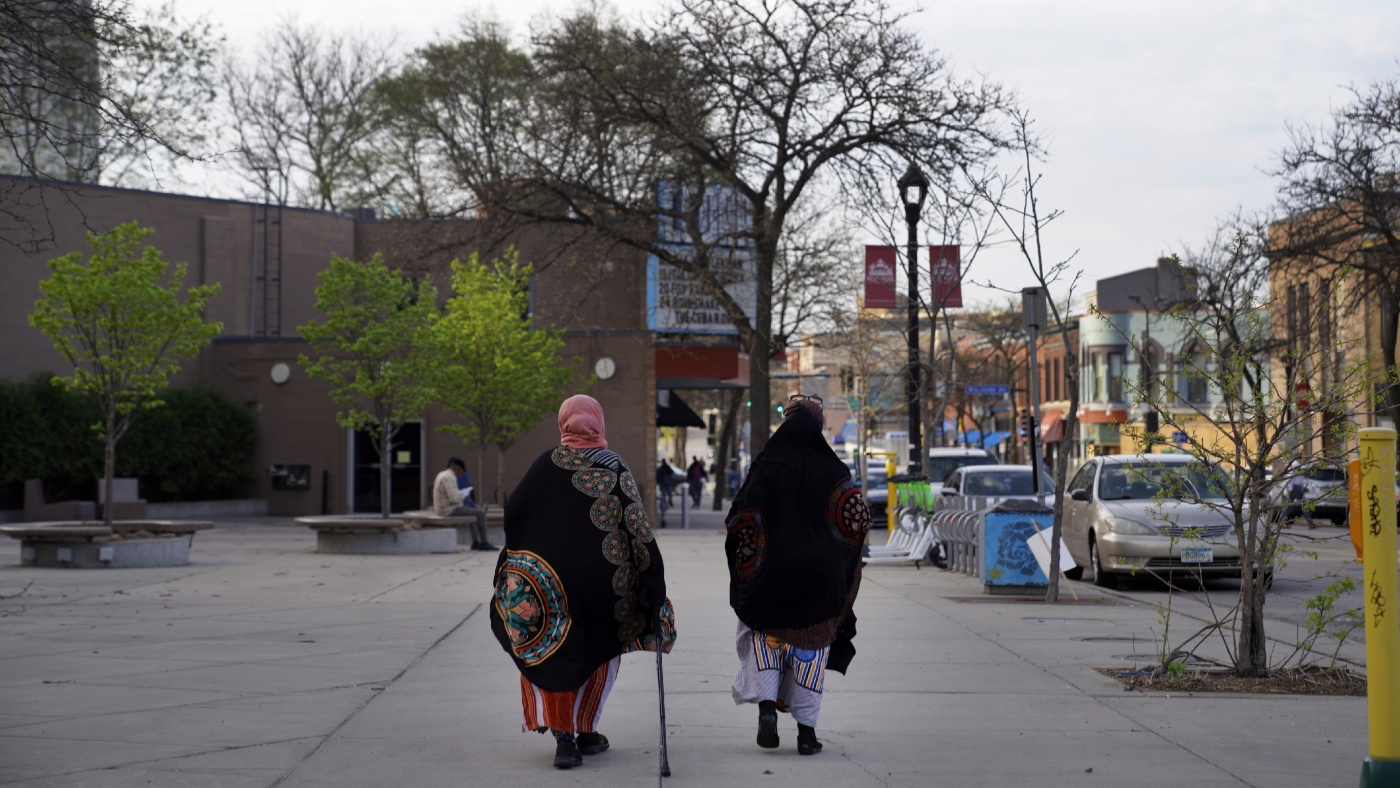
According to Wilder Research, approximately 80,000 people of Somali descent reside in Minnesota, with the majority living in the Twin Cities area. This population began to grow substantially in the late 1990s when Somali refugees, escaping civil war, found employment in places like Marshall, Minnesota.
Minnesota author Ahmed Ismail Yusuf, who wrote Somalis in Minnesota, notes that the state’s welcoming nature drew many Somali immigrants. “Those people who were hired, they brought their families,” Yusuf explains. He points out that Minnesota’s liberal values and sense of hospitality, known in Somali as “martisoor,” mirrored the immigrants’ own cultural values.
However, the adjustment has not been without obstacles. Somali Muslims have encountered challenges in practicing their faith, which includes prayer rituals and wearing the hijab, as documented by the Minnesota Historical Society. The community has also needed to navigate stereotypes associated with Islamic extremism, stemming from past recruitment efforts by ISIS.
Despite these hurdles, Yusuf emphasizes the community’s resilience and contributions, stating, “Right now, wherever you go, still we’re serving the people, we are serving the community, we are serving the state.”
One notable figure from this community is Representative Ilhan Omar, a Democrat who made history in 2018 as the first Somali American elected to Congress. In a social media statement responding to Trump’s remarks, Omar said, “His obsession with me is creepy. I hope he gets the help he desperately needs.”
The Somali community, feeling “a bit under siege,” according to Yusuf, finds solace in the support from local officials, including Minneapolis Mayor Jacob Frey and St. Paul Mayor Melvin Carter. Yusuf reflects, “We are dealing with this, but we are not dealing with it alone.”