Trump Administration Alters Immigration Policy Framework, Impacting Courts and Appeals
The Trump administration has significantly influenced the immigration policy landscape through strategic changes within the Justice Department. This move has intensified mass detentions and deportations, reshaping a lesser-known corner of the department.
The Board of Immigration Appeals (BIA), a key administrative court, has issued a series of decisions that have greatly restricted due process and relief options for immigrants. These changes are largely attributed to a reduction in the board’s size, now consisting of 15 judges, all appointed by President Trump.
In the past year, the BIA’s rulings aligned with the Department of Homeland Security’s (DHS) positions in 97% of publicly available cases, marking a significant increase from the historical average. This trend reflects the board’s role in limiting immigrants’ ability to secure bond instead of detention and facilitating deportations to third countries.
Andrea Sáenz, a former board judge, noted the board’s influence, saying, “The board has an impact on immigration law that is much, much bigger than the number of people that are on it.”
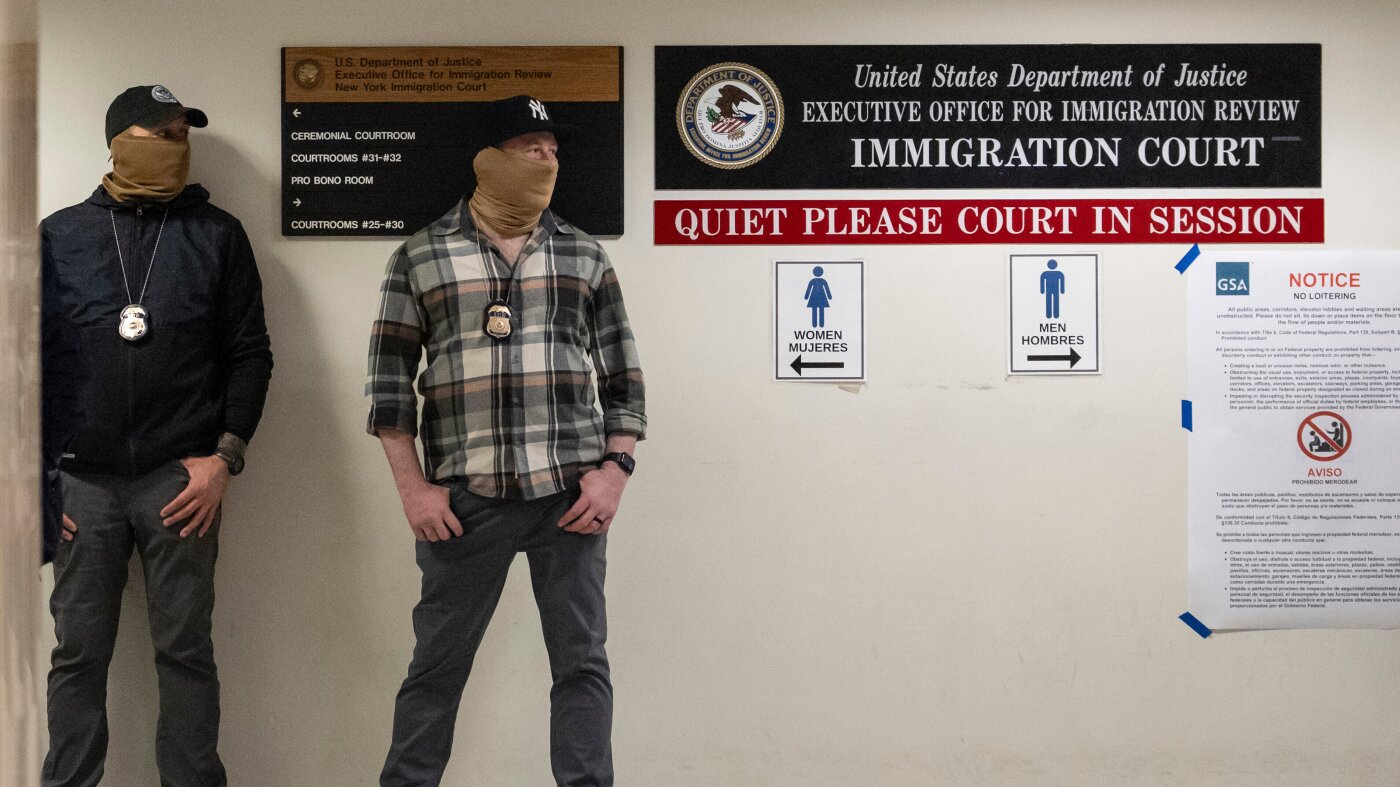
Immigration courts, part of the Executive Office for Immigration Review (EOIR) within the Justice Department, are not independent. They handle cases presented by Immigration and Customs Enforcement (ICE) against immigrants seeking to remain in the U.S. The BIA’s primary function is to address errors made by immigration judges, allowing appeals from both immigrants and ICE.
Victoria Neilson, an attorney at the National Immigration Project, highlighted the stakes involved: “The stakes are so incredibly high in the immigration proceedings and the law is so complicated and convoluted and difficult.”
Katharine Clark, a former BIA judge, emphasized the importance of the board’s role in catching judicial errors, stating, “We lose an absolutely crucial method of catching errors by immigration judges who are absolutely flooded with cases.”
A DOJ spokesperson noted that the EOIR is “restoring integrity to the immigration adjudication system,” with BIA decisions reflecting “straightforward interpretations of clear statutory language.”
Restructuring the BIA
Upon taking office, the Trump administration reduced the number of appellate judge slots on the BIA from 28 to 15, dismissing those appointed by Biden. This shift mirrors a broader trend across federal immigration courts, where numerous judges have been dismissed or resigned.
EOIR leaders have indicated a preference for streamlined asylum and bond denials. The federal register notice announcing the BIA’s reduction in size stated that larger boards did not necessarily result in increased productivity.
Rapid Policy Changes and Their Impact
The BIA has rapidly increased its number of public decisions, setting precedents that shape immigration judges’ actions nationwide. In 2025 alone, the board published a record 70 decisions, nearly matching the combined total from all previous years under Biden.
This trend has led to a high rate of government victories, with the administration winning 97% of cases in 2025. The board’s decisions also include restricting immigrants’ eligibility for bond, as seen in the Matter of Yajure Hurtado case.
Federal appellate courts are now examining these issues. Clark commented, “The decisions that the board has made to take away the option of getting immigration bonds for various large groups of people has been by far the most impactful thing that has happened there since I left.”
The BIA has also facilitated deportations to third countries, further illustrating its influence on immigration policy.
Proposed Rule to Limit Appeals
In 2026, the administration introduced a proposed rule to reduce the timeframe for immigrants’ appeals from 30 days to 10, aiming to address a backlog exceeding 200,000 cases. However, immigrant rights organizations successfully challenged this rule in court, with a federal judge blocking its implementation.
The ongoing lawsuit highlights concerns about due process and the rule’s potential impact on legal services. Neilson remarked, “If you give up everything to follow the rules and then suddenly the rules disappear, that seems very un-American.”
This analysis was conducted using artificial intelligence to review 634 BIA cases from January 1, 2009, to March 18, 2026. NPR reporters verified the accuracy of the results, with an independent lawyer confirming the findings.