
U.S. Deportation Flight to Central African Republic Raises Concerns
In a move that has sparked significant discussion, the United States recently deported several individuals to the Central African Republic, among them an Afghan man whose brothers had cooperated with the U.S. military. This deportation, involving people from various countries, has drawn attention from legal experts and human rights organizations.
The Afghan in question, reportedly in his early twenties, was granted protection from deportation to Afghanistan by a U.S. judge due to threats from the Taliban. His attorney, Alma David, shared that his family had been targeted because of his brothers’ affiliations with U.S. military efforts, according to documents reviewed by The Associated Press.
One brother, who lives in the U.S., served in the Afghan National Army, which was allied with U.S. forces prior to the Taliban’s takeover in 2021. Another brother, a U.S.-trained pilot, was tragically killed by the Taliban, David noted.
The deportation, which took place on a flight to Bangui, the capital of the Central African Republic, involved 12 Afghans and eight Iranians, along with individuals from Nepal and Nicaragua. Savi Arvey, an official from Human Rights First, confirmed these details regarding the flight.
This practice follows a series of largely undisclosed agreements initiated under the Trump administration, which have resulted in thousands being deported to countries other than their own. Legal experts argue that this method serves as a loophole for indirectly returning some asylum seekers to nations from which they fled. The recent flight marks the second such operation to the Central African Republic since June, which previously included an Iranian woman facing threats in her homeland.
https://npr.brightspotcdn.com/dims3/default/strip/false/crop/4500×3000+0+0/resize/800/quality/85/format/jpeg/?url=http%3A%2F%2Fnpr-brightspot.s3.amazonaws.com%2F8a%2F09%2F3f593fd24c5f9d840d2deeea1f48%2Fap26241829259454.jpg 800w,
https://npr.brightspotcdn.com/dims3/default/strip/false/crop/4500×3000+0+0/resize/900/quality/85/format/jpeg/?url=http%3A%2F%2Fnpr-brightspot.s3.amazonaws.com%2F8a%2F09%2F3f593fd24c5f9d840d2deeea1f48%2Fap26241829259454.jpg 900w,
https://npr.brightspotcdn.com/dims3/default/strip/false/crop/4500×3000+0+0/resize/1200/quality/85/format/jpeg/?url=http%3A%2F%2Fnpr-brightspot.s3.amazonaws.com%2F8a%2F09%2F3f593fd24c5f9d840d2deeea1f48%2Fap26241829259454.jpg 1200w,
https://npr.brightspotcdn.com/dims3/default/strip/false/crop/4500×3000+0+0/resize/1600/quality/85/format/jpeg/?url=http%3A%2F%2Fnpr-brightspot.s3.amazonaws.com%2F8a%2F09%2F3f593fd24c5f9d840d2deeea1f48%2Fap26241829259454.jpg 1600w,
https://npr.brightspotcdn.com/dims3/default/strip/false/crop/4500×3000+0+0/resize/1800/quality/85/format/jpeg/?url=http%3A%2F%2Fnpr-brightspot.s3.amazonaws.com%2F8a%2F09%2F3f593fd24c5f9d840d2deeea1f48%2Fap26241829259454.jpg 1800w” sizes=”(min-width: 1025px) 650px, calc(100vw – 30px)” type=”image/jpeg”/>
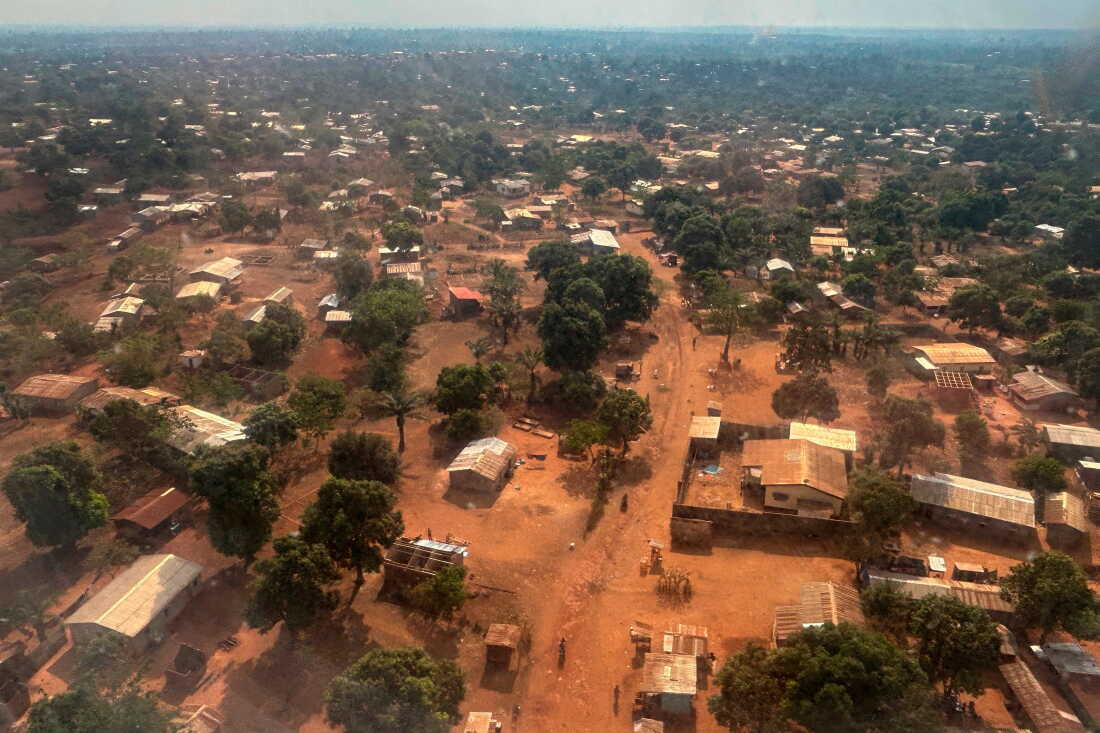
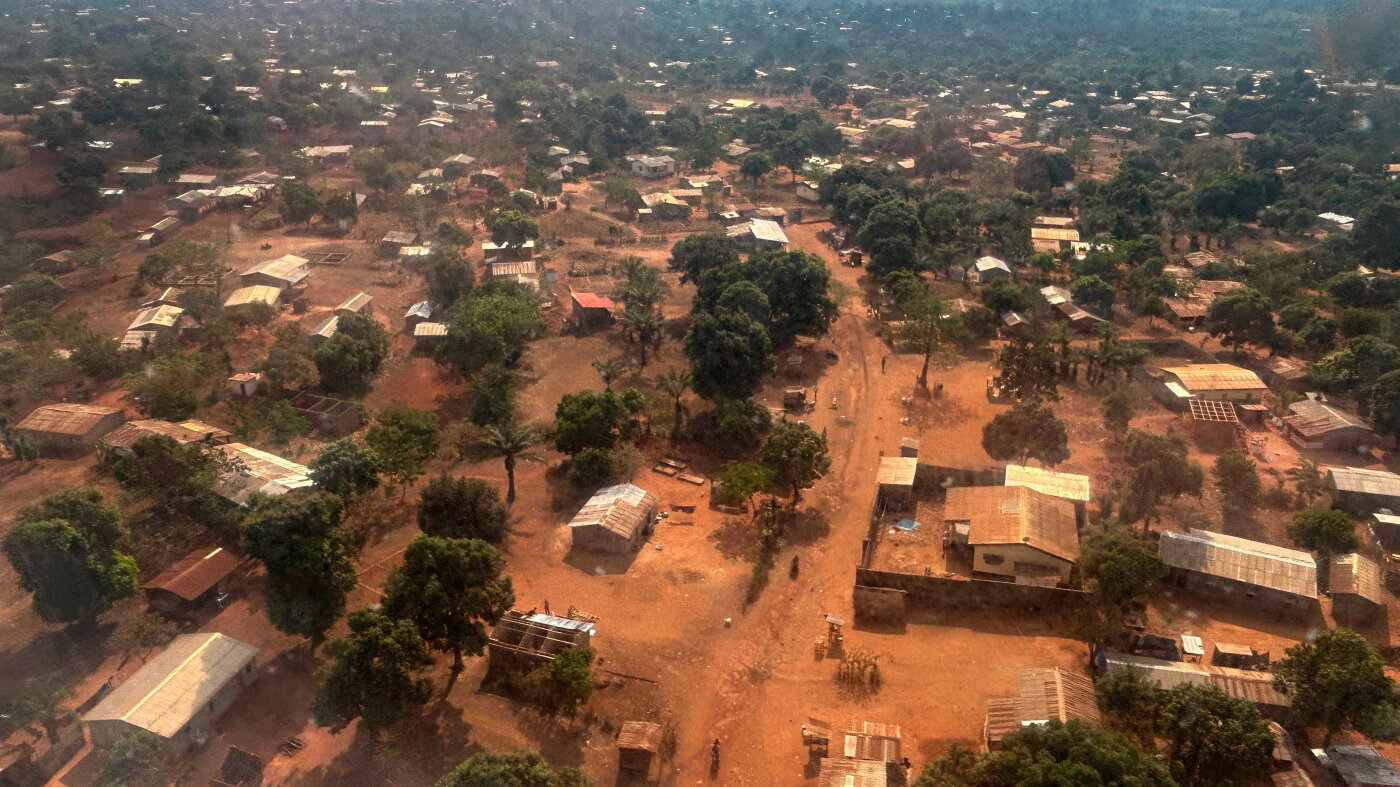
FILE – An aerial view of Bangui, Central African Republic on March 8, 2024. Photo by Sam Mednick/AP




Comments are closed.