U.S. Intensifies Economic Pressures on Iran with New Sanctions
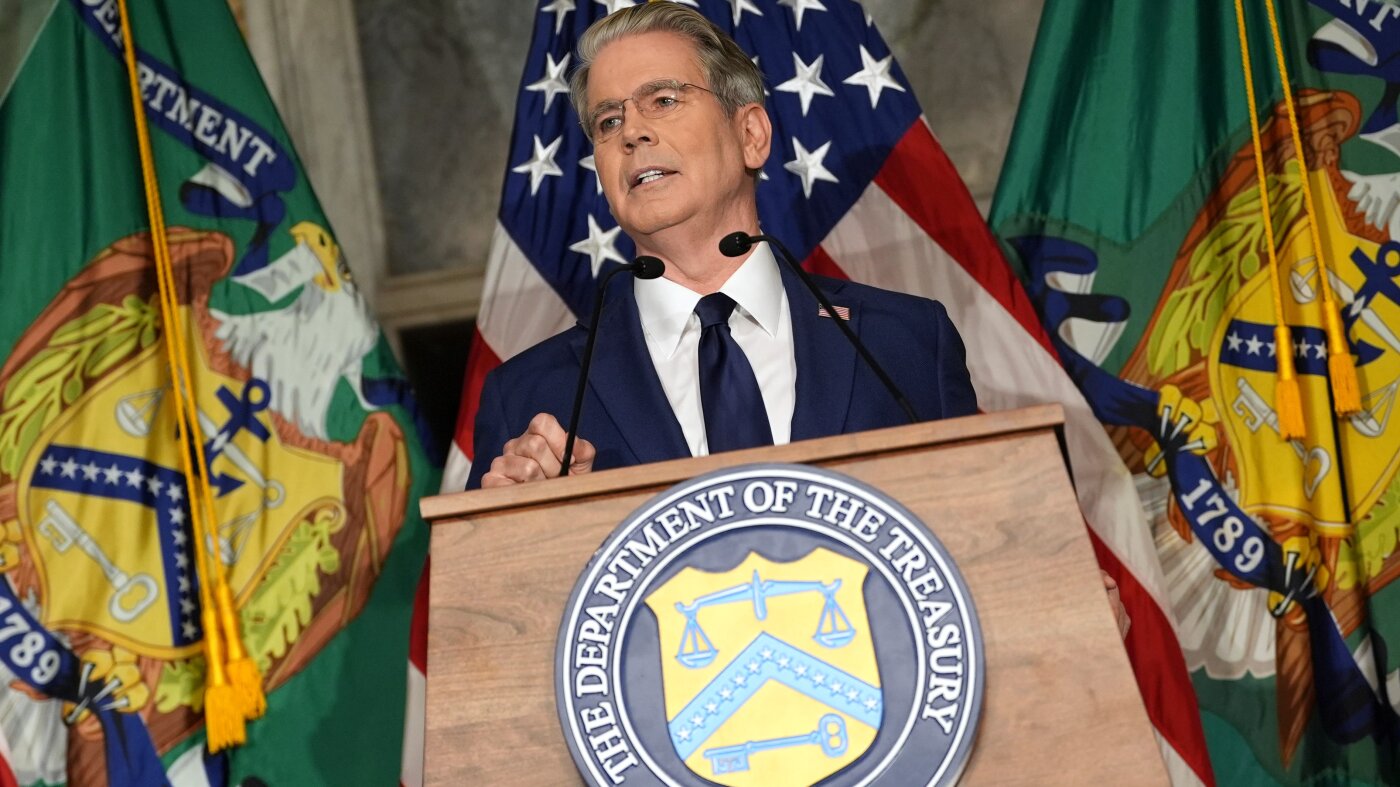
In a strategic move to escalate economic pressure on Iran, Treasury Secretary Scott Bessent disclosed a fresh set of U.S. sanctions. These measures are part of what President Trump has described as an “economic D-Day” against Tehran, aiming to isolate the Iranian regime economically.
“Our objective is to sever every economic lifeline that sustains this tyrannical regime until Tehran stands alone,” stated Bessent, emphasizing the administration’s initiative, dubbed “Operation Economic Outcast.”
“Those who tether themselves to Tehran should expect to share in the isolation of a withering regime,” Bessent added.
Details of the New Sanctions
The United States has long imposed sanctions on Iran, some dating back nearly 50 years. This latest round targets entities that continue to support Iran financially. Recent actions included a U.S. naval blockade that significantly restricted goods entering Iran.
The new focus appears to be on pressuring countries and governments that enable financial flows to Iran, not just businesses. Bessent, in an editorial for the Financial Times, urged these nations to consider the implications of trading with Iran. Key among these is China, noted as Iran’s largest oil buyer.
The Treasury Department revealed that a network of brokers and vessels across different regions, including the UAE and Hong Kong, are targets of these sanctions for their role in transporting Iranian oil.
Iran’s Response and Regional Implications
Iran’s new security chief, Mohsen Rezaei, declared a “seismic” response to the sanctions, warning Gulf states against participating in the economic restrictions. Rezaei emphasized that any such countries would be deemed adversaries.
Since the onset of the U.S.-Israel conflict with Iran, the region has seen heightened tensions, with Iran targeting U.S. bases and Gulf nations like Saudi Arabia and Kuwait. Rezaei threatened further disruptions in the Strait of Hormuz, crucial for oil transit.
With oil exports already severely affected due to the blockade, any actions to block the Strait of Hormuz could further strain global oil supplies.
Impact on Iranian Economy and the Global Community
The Iranian economy, grappling with long-standing sanctions, has faced severe challenges, including nearly 90% inflation and a devalued currency. The rial has plunged in anticipation of the new sanctions, deeply affecting ordinary Iranians.
One Iranian woman shared with NPR that the cost of essential goods and medicines has soared, while employment opportunities are dwindling. These economic hardships have fueled public protests, which faced harsh crackdowns by the government.
The U.N.’s Role in Mitigating Trade Disruptions
Amid the escalating sanctions, the United Nations aims to facilitate the flow of goods through the Strait of Hormuz. U.N. Secretary-General António Guterres emphasized the importance of keeping trade routes open, calling for international cooperation.
Guterres stated, “Maritime chokepoints must never become instruments of coercion and the world’s food supply must never become the collateral damage of conflicts.” The U.N. is prepared to monitor civilian shipping, pending agreement from involved nations.