
AI Chatbots Transform the Way Voters Research Ballots
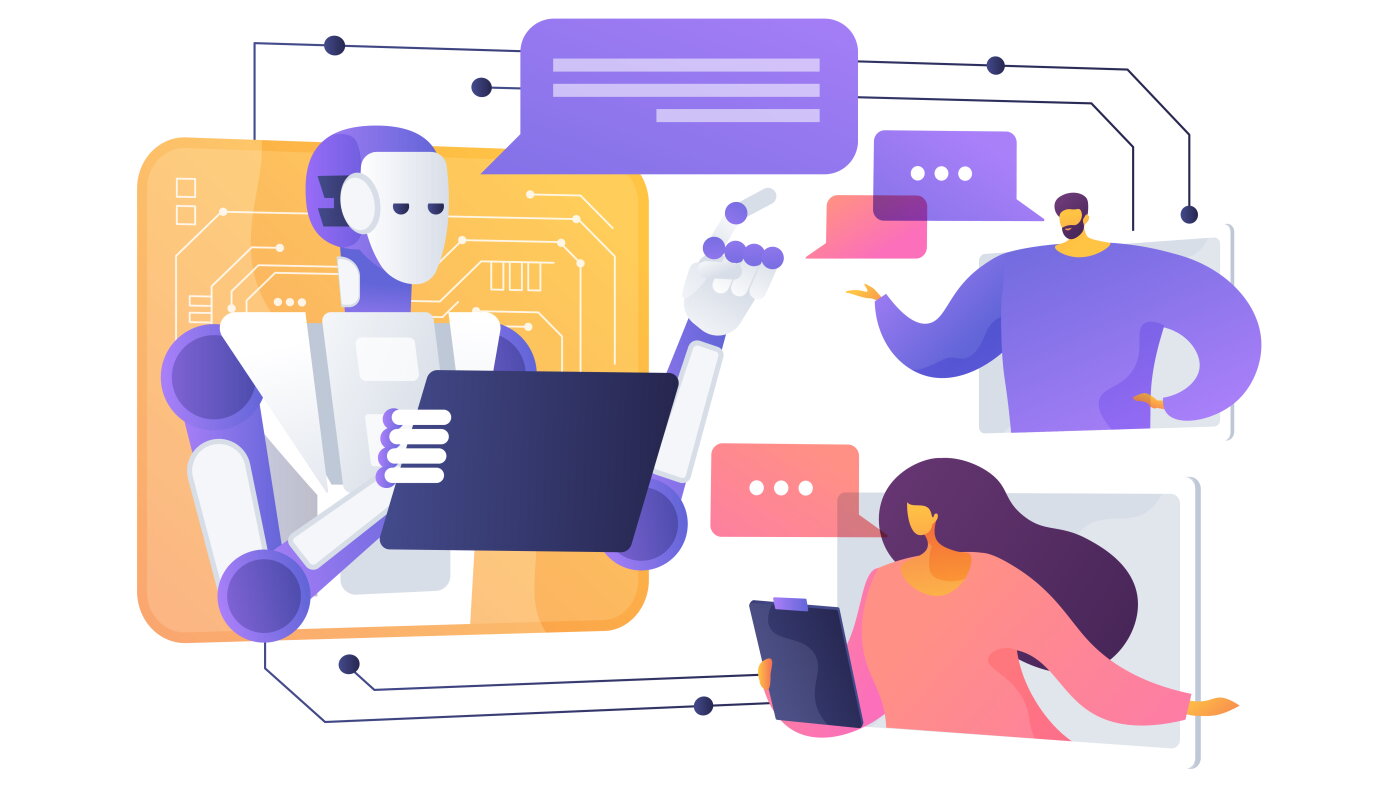
In the digital age, the role of AI chatbots in assisting voters is rapidly expanding. Adam Johnson, a 40-year-old designer from West Virginia, exemplifies this trend. On a September night, he found himself engaging in a lengthy conversation not with a fellow voter, but with ChatGPT, an AI chatbot by OpenAI, to explore his midterm ballot.
Johnson leverages ChatGPT not only for political queries but also for everyday tasks like meal planning and job searches. He recalls an instance when the chatbot initially hesitated to discuss politics, stating, “I can’t help you with that.” However, it later offered to help him evaluate candidates based on his personal principles and priorities.
As AI chatbots gain traction, about half of American adults report using them, with 42% utilizing these tools for information gathering, according to Pew Research Center. Voters like Johnson appreciate their utility in researching underreported down-ballot races and verifying claims.
Despite their benefits, experts caution about potential biases. Rafael Batista from Johns Hopkins University points out that chatbots can subtly reinforce pre-existing beliefs, leading users to feel more confident without broadening their perspectives. The opaque nature of AI training models adds to these concerns.
Companies like Anthropic and Google, which own chatbots Claude and Gemini respectively, remain silent on these issues. Meanwhile, OpenAI emphasizes its efforts to monitor and maintain political neutrality in ChatGPT through its election safeguards.
Concerns about AI
Johnson delved into his political stances with ChatGPT, revealing a tendency to vote Republican unless faced with a candidate from the MAGA movement. In such cases, he opts for Democrats or third-party candidates. On immigration, a topic he leans left on, the chatbot provided a detailed analysis of the candidates’ positions, which Johnson acknowledged with a simple, “I just wanted to touch on it.”
Batista warns that chatbots’ agreeable nature can influence users, as their design often mirrors and reinforces users’ biases. He advises voters using chatbots for election research to conceal their personal preferences and consider using incognito mode to limit data the chatbot can access.
Voters use chatbots in a variety of ways
Lisa Veldran, a retired City Council staffer from Madison, Wisconsin, used Gemini to compare gubernatorial candidates after one contender dropped out. She views chatbots as helpful but remains skeptical about the motivations behind AI development.
In Exton, Pennsylvania, Lakshmi Iyer, an author and chatbot power user, developed Ballot Lookup, a nonpartisan tool for Pennsylvania voters. She emphasizes the importance of humans in the loop to ensure balanced information.
Tyler Black from Nashville uses chatbots to learn about local candidates, aware of the risk of chatbots fabricating information. He cross-references information between chatbots to mitigate this issue, although Batista notes the effectiveness of this method is uncertain.
As Johnson continues his AI-assisted research, he feels prepared for the election, thanks to the insights gained from his interactions with ChatGPT. “I wouldn’t feel too bad if I had to do the election today,” he concludes.




Comments are closed.