
Examining the Role of Crisis Pregnancy Centers in the U.S.
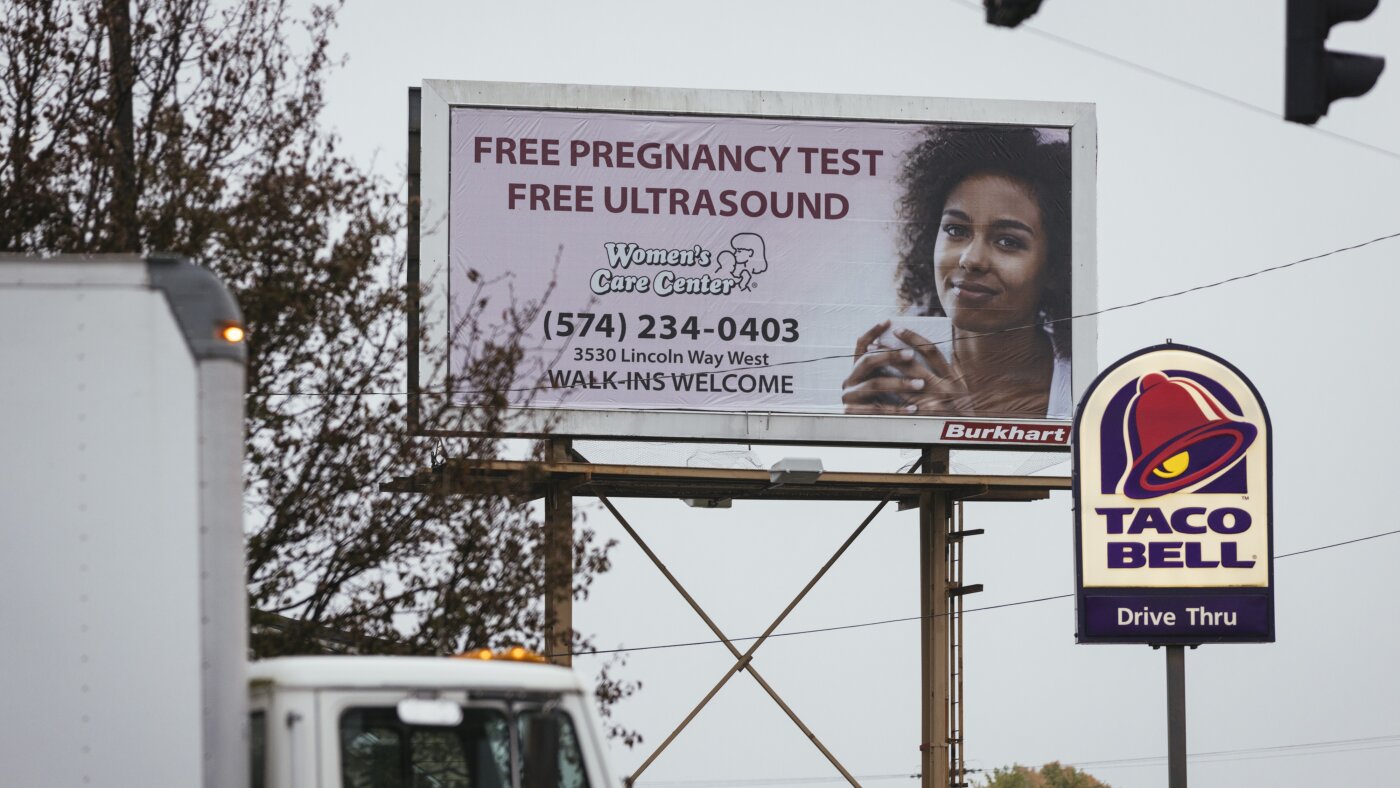
The Trump administration’s launch of Moms.gov, a resource for expectant parents, has directed attention towards crisis pregnancy centers nationwide. These centers are promoted as places offering free services such as pregnancy tests, ultrasounds, and childbirth classes, but their operations raise questions about their medical validity.
Moms.gov highlights the centers’ offerings which include “pregnancy tests, ultrasounds, STD/STI testing and treatment, parenting support, childbirth classes, medical referrals, and material goods like clothes and diapers — at no cost to you,” according to the website.
Across the United States, there are approximately 2,500 crisis pregnancy centers, as estimated by the Government Accountability Office in 2024. Predominantly affiliated with Christian organizations, these centers aim to dissuade individuals from seeking abortions. While they often resemble medical clinics, the staff typically lack medical training, with some volunteers donning scrubs to appear professional.
Despite the lack of trained medical personnel, many centers provide free ultrasounds, emphasizing their importance. The MyChoice Pregnancy Care Center in New York’s Hudson Valley, for instance, invites individuals to “Contact us for a free ultrasound” to rule out serious conditions like ectopic pregnancies.
Ectopic pregnancies occur when an embryo implants outside the uterus, posing serious health risks. However, a single ultrasound is insufficient to accurately diagnose this complication.
Watchdog Calls for Investigation
The Campaign for Accountability has urged New York Attorney General Leticia James to investigate potential misleading claims by crisis pregnancy centers in the state. The organization discovered 100 instances across 49 states where centers claim to “rule out” ectopic pregnancies.
Instances of harm have been reported in Texas and Massachusetts, where women sought help from these centers only to later discover untreated ectopic pregnancies. “They were told that their pregnancies were viable or that everything was fine,” said Michelle Kuppersmith, executive director of the Campaign for Accountability.
“We Really Don’t Like to See That Language”
The National Institute of Family and Life Advocates (NIFLA) advises against crisis pregnancy centers claiming they can diagnose ectopic pregnancies. “Do not advertise, ‘We can rule out an ectopic,'” Anne O’Connor, NIFLA’s Vice President of Legal Affairs, stated in a webinar. She explained that proper diagnosis requires multiple tests and ultrasounds, which these centers cannot provide.
Centers are encouraged to use alternative language when discussing ultrasounds, such as confirming that “the fetus is in the womb where it’s supposed to be,” to avoid misleading clients.
A Response to the Growth in Medication Abortion
The marketing tactics of crisis pregnancy centers have evolved in response to the increasing use of abortion medication following the overturning of Roe v. Wade. For example, the MyChoice Pregnancy Care Center website suggests booking an ultrasound to rule out ectopic pregnancies before taking abortion pills.
Dr. Jonas Swartz, an expert in obstetrics and gynecology at Duke Health, states that while abortion medication will not address ectopic pregnancies, it also does not exacerbate the condition. He emphasizes that telemedicine abortion has been proven safe without the need for ultrasounds.
Swartz expressed empathy for individuals dealing with the uncertainties of early pregnancy, suggesting that trained medical professionals in regulated facilities are best equipped to provide the necessary care.

Comments are closed.