A Controversial Monument: Trump’s Proposed Arch Faces Backlash
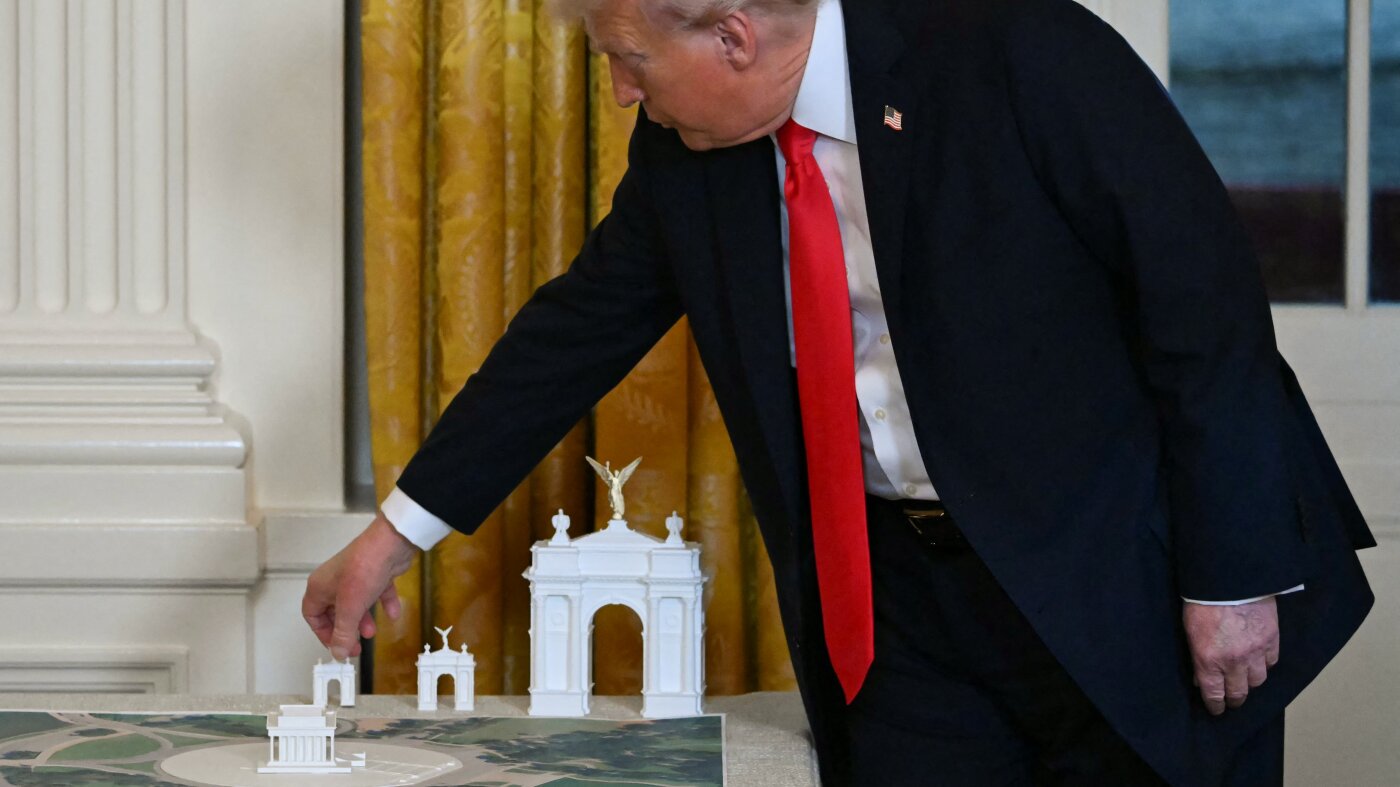
Plans for a towering 250-foot arch near the National Mall have sparked widespread opposition. President Trump’s proposal for the arch, which would overshadow a historic area already dense with monuments, has drawn criticism from various quarters, including his own administration.
The National Park Service has expressed concerns, noting that the construction of an arch in Memorial Circle would negatively impact 37 historic properties. The location, just below Arlington National Cemetery, is part of a region with significant architectural and commemorative importance. According to the service’s report, the area holds value not only in individual landmarks but in the broader spatial and symbolic connections they create.
The project’s review falls under Section 106 of the National Historic Preservation Act. This process requires federal agencies to assess and minimize the impact of their actions on historic properties. The arch’s proposed site would disrupt views between the Lincoln Monument and Arlington House, sites intended to symbolize the union of North and South.
Critics, including Vietnam War veterans, have filed lawsuits arguing that the arch would be a visual disturbance requiring congressional approval, which Trump has not sought. Despite these objections, the White House maintains that Memorial Circle is an ideal site, viewing the arch as a complementary addition to the area’s monumental structures.
Design and Location Concerns
Preservationists and legal experts argue that the arch’s proposed location would interfere with the ceremonial landscape. Greg Werkheiser, from Cultural Heritage Partners, criticized the insistence on situating the arch between Arlington Cemetery and the Lincoln Memorial, suggesting alternative sites with fewer impacts on historic properties.
David Maloney, D.C.’s state historic preservation officer, proposed an alternative location near the Frederick Douglass Bridge. This site, he argued, would serve as a vibrant focal point for the area without disrupting historical viewsheds.
Procedural Challenges and Legislative Hurdles
The Section 106 review, which began after significant design approvals were granted, has been criticized for lacking transparency. Ed Stierli of the National Parks Conservation Association noted that the process felt more like a formality than a rigorous evaluation.
Meanwhile, changes to Section 106 regulations are underway, potentially simplifying federal construction on historic sites. The Advisory Council on Historic Preservation, dominated by Trump allies, voted to revise the section, which could diminish public input and redefine what constitutes an adverse effect on historic properties.
While some House Democrats have introduced legislation to block the monument, the Republican majority makes such a move unlikely. Legal challenges to the revised regulations are anticipated as the rule-making process continues.
This article was originally written by www.npr.org