A Cyberattack on Minnesota Water Systems Raises Concerns about Infrastructure Security
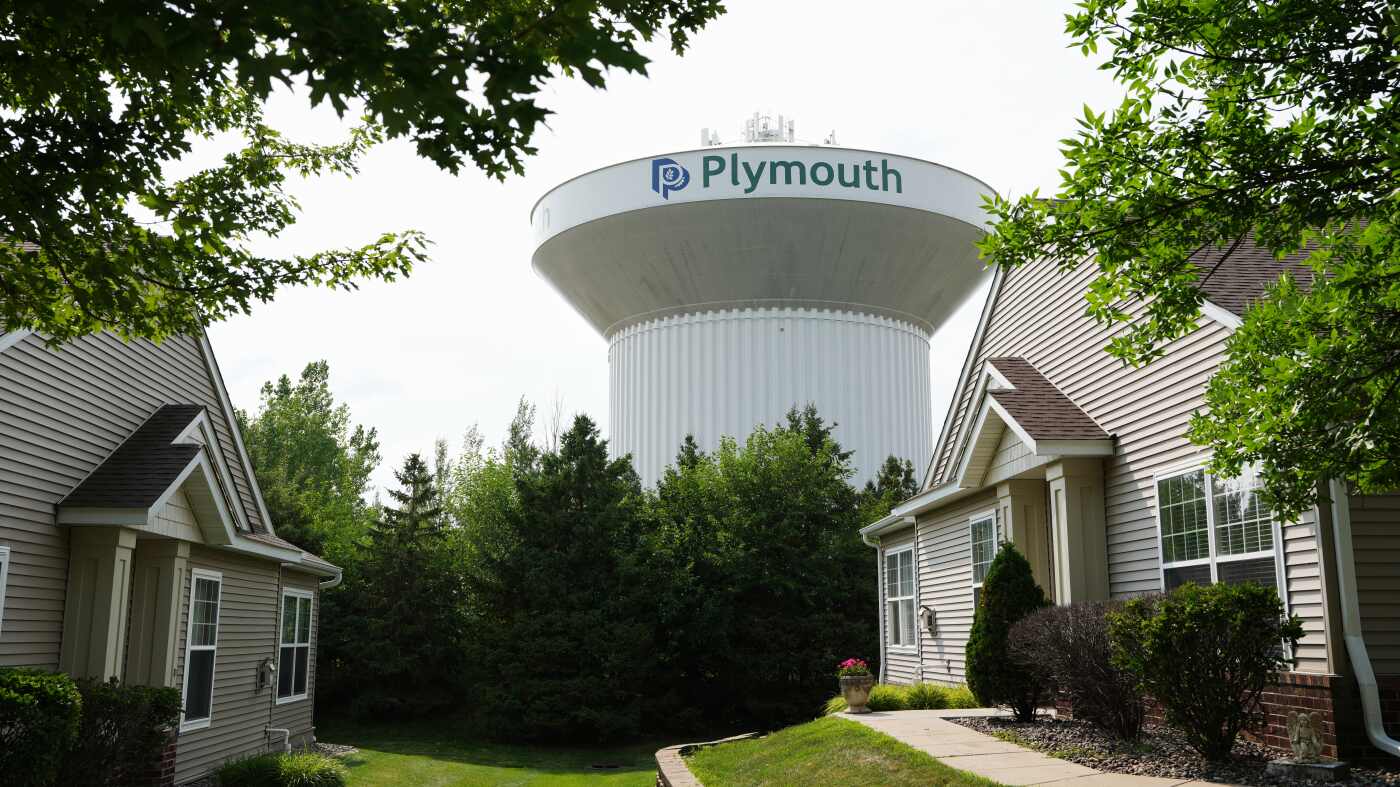
In a startling revelation, over 30 water systems in Minnesota, including Plymouth, found themselves under a cyberattack, stirring concerns about the security of critical infrastructure in the U.S. This incident was part of a larger coordinated effort targeting operating technology at water facilities across the nation, with Iran suspected as the potential perpetrator.
The Incident Unfolds
On a seemingly ordinary Monday morning in Braham, Minnesota, the town’s water operator encountered a malfunctioning pump at the treatment plant, jeopardizing the water supply to local homes. As the plant went offline for investigation, the city urged its 1,700 residents to conserve water, relying on a backup supply from a local tank. Fortunately, the issue was resolved within hours as workers manually restored the pump’s functionality.
Despite the quick recovery, Braham officials soon discovered, with the assistance of Minnesota state IT teams, that their issue was part of a broader cyberattack targeting the nation’s industrial technology. Cybersecurity experts and federal officials have pointed fingers at Iran, a country with a history of targeting U.S. critical infrastructure.
Widespread Impact
The attack did not stop at Minnesota. Similar intrusions were reported in New Jersey, Michigan, and Georgia, where a brief “boil water” advisory was issued following a pump station failure. The WaterISAC, a cybersecurity information-sharing organization, promptly initiated communication with its 400 members to share intelligence about the threats.
The FBI later confirmed that water and wastewater facilities in at least seven states had been affected. While the investigation continues, experts like Rob Lee, CEO of Dragos, point out that the scope of these attacks is unprecedented.
Linking to Iran
Although the U.S. government has not officially named a perpetrator, suspicions are focused on Iran. This is not the first time nation-states have been linked to cyber disruptions. In the past, Iran-linked hackers have targeted U.S. power and water facilities, with one such incident occurring in Aliquippa, Pennsylvania, where industrial machines were defaced during a conflict involving Israel.
Michael Crean from SonicWall noted a spike in malicious activities, suggesting that attackers were scanning for vulnerabilities. While no group has claimed responsibility, intelligence points to the Iranian Revolutionary Guard Corps as a possible culprit.
Challenges for Local Communities
For local water operators, securing critical infrastructure remains a formidable challenge. Brandon Huston from the Minnesota Wastewater Operators Association emphasized the difficulty and cost of updating and securing industrial systems. These systems often rely on outdated technology that cannot be easily replaced or secured.
Efforts like Project Franklin aim to bolster defenses in rural communities by bringing expert volunteers to prepare facilities for cyber threats. As the water sector grapples with these challenges, experts stress the need for more resources and federal support to enhance cybersecurity measures.
A Call for Federal Leadership
Despite ongoing efforts to strengthen defenses, the water sector faces significant hurdles due to limited resources and expertise. The American Water Works Association has called for increased federal funding to support cybersecurity initiatives. Meanwhile, initiatives like Project Franklin seek sustainable funding solutions to extend their impact nationwide.
Rob Lee of Dragos highlights the need for decisive leadership to address these vulnerabilities. He argues that it will require concerted efforts from senior government officials to prioritize and communicate the importance of modernizing infrastructure, even in the face of political and economic challenges.
This article was originally written by www.npr.org