
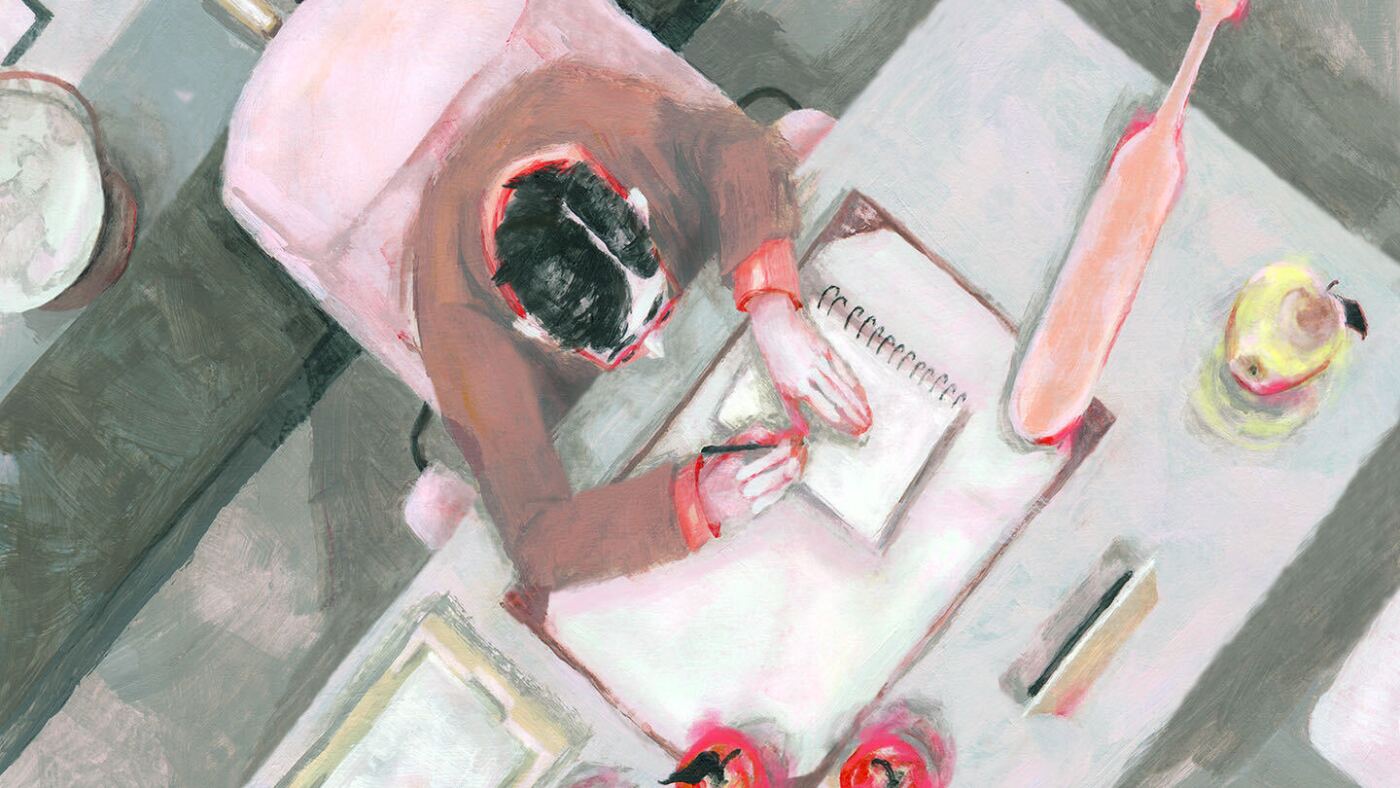
Exploring the Complex Landscape of Corporal Punishment in U.S. Schools
In the heart of America, a debate simmers over the use of corporal punishment in schools. The story of Tessa Davis and her son, C, in Arkansas highlights the emotional and psychological complexities involved in this disciplinary practice.
Eight years ago, Davis faced a difficult choice when her son C, then in kindergarten, ran into trouble for twisting a classmate’s jacket. The school offered two options: a three-day suspension or a paddling by an administrator. For Davis, the decision was tough, especially when she recalled her husband’s words: “Well, I was paddled, so give him the paddling.”
After the paddling, C’s behavior changed dramatically. “He was always more tense, more aware and afraid,” Davis said. The experience left a lasting impact, making C fearful of returning to school.
Corporal Punishment’s Prevalence and Regulation
The American Academy of Child and Adolescent Psychiatry describes corporal punishment as any action causing pain or discomfort to a child. Despite the potential harm, the U.S. lacks federal legislation banning it in public schools. Instead, states and local districts decide its legality and application.
In 2021-’22, the U.S. Department of Education’s Civil Rights Data Collection reported nearly 32,000 instances of corporal punishment among K-12 students, highlighting its persistent presence.
States like Arkansas and Mississippi have some of the highest rates of corporal punishment, while 15 states still permit it, though local bans may apply. In contrast, 30 states and Washington, D.C., have outlawed the practice in public schools.
Cultural and Community Norms
Morgan Craven from the Intercultural Development Research Association emphasizes that in some Southern communities, corporal punishment is intertwined with cultural and faith-based beliefs. “There is this belief that corporal punishment … is not harmful at all,” she explained. Yet, many communities challenge these norms, advocating for non-violent disciplinary methods.
Personal Impact and Changing Perspectives
For Davis and her family, the experience with corporal punishment led to a shift in their disciplinary approach. “The spankings never made the behavior stop,” she admitted. They have since adopted non-physical methods at home and advocate against the use of corporal punishment in schools.
Today, C, now 13, channels his energy into dance and continues to navigate his emotions and behavior more constructively.
Data and Disproportionality
Federal data reveals disparities in corporal punishment application, with boys more frequently subjected to it than girls. Disproportionate rates also affect white, Black, and Native American boys, pointing to systemic issues in school discipline.
Research links historical lynching rates to present-day corporal punishment, particularly impacting Black students. This underscores the need for ongoing examination of disciplinary practices and their cultural roots.
The Debate Continues
While child psychologist Joan Durrant argues that corporal punishment fosters dishonesty and aggression, some, like psychologist Randy Randleman, view it as a necessary tool, albeit a last resort. “You’re at a disadvantage when a child knows they can’t be spanked,” Randleman stated.
At Warner Public Schools in Oklahoma, corporal punishment is used sparingly, with parental consent. Superintendent David Vinson believes it acts as a deterrent, allowing students to avoid suspension for minor infractions.
Elementary principal Alan Gordon uses paddles named Peace and Harmony, emphasizing that discipline, when responsibly applied, can positively influence students.
As the debate over corporal punishment persists, the conversation continues to evolve, reflecting diverse perspectives and cultural nuances.
This article was originally written by www.npr.org




Comments are closed.