ICE Operations Strain Local Police Resources Across U.S. Cities
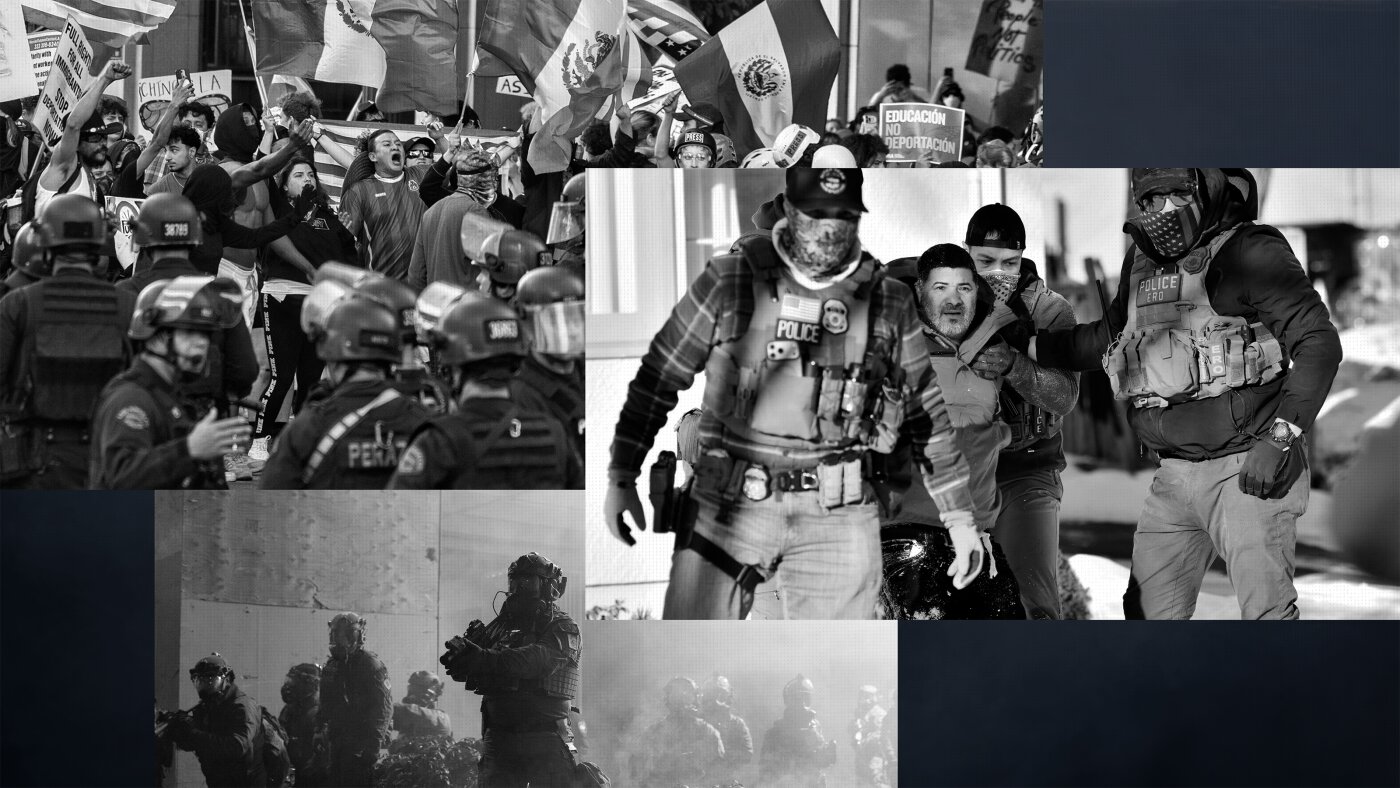
Federal immigration enforcement actions have increasingly impacted local police forces, stretching resources in cities across the United States. As Immigration and Customs Enforcement (ICE) steps up its operations, cities like Los Angeles, Minneapolis, and Portland are grappling with the financial and logistical fallout.
In Los Angeles, the financial burden on the police department soared as immigration raids led to widespread protests. According to city reports, overtime spending for the LAPD hit $41 million in June 2025, far exceeding its usual monthly range. The city had to tap into reserve funds to cover these costs.
Minneapolis also bore the brunt of increased expenses, with police reporting over $6 million in overtime and standby pay within a month. This figure amounts to more than double the city’s annual budget for police overtime, highlighting the severe impact of sustained ICE operations.
Portland faced similar challenges, with police resources redirected to manage protests at the ICE facility. The city’s police bureau logged 38,213 overtime hours categorized as “event response” in 2025, nearly doubling the previous year’s total.
Financial Implications and Budgetary Strain
City leaders are now reviewing budgets to assess the full financial impact of ICE operations. In Minneapolis, the economic fallout from these activities amounted to over $203 million in just one month. The costs include damages from protests, increased security expenses, and the broader economic disruption.
Abigail Jackson, a White House spokeswoman, defended the federal actions, stating that “illegal aliens cost American taxpayers over $150 billion in 2023 alone.”
Operational Challenges in Police Departments
The increased workload due to ICE operations has led to significant logistical challenges for local police departments. In Portland, the police chief reported that officers were frequently stationed at the ICE facility, impacting the department’s ability to respond to other priority calls in the city.
Minneapolis Police Chief Brian O’Hara implemented strategic changes in response to the federal presence, including monitoring ICE-related activities and staffing the operations center with civilian officers to manage social media and camera feeds.
Community and Officer Well-being
Increased ICE activity has also affected community relations and officer morale. Reports of racial profiling and stress-related symptoms among officers have emerged. In Minneapolis, officers reported PTSD symptoms reminiscent of the 2020 protests following George Floyd’s death.
St. Paul, a neighboring city to Minneapolis, also faced challenges due to ICE operations. Police resources were stretched thin as they responded to protests and assisted Minneapolis with the surge of federal agents.
Calls for Immigration Reform
There is a growing call for comprehensive immigration reform as cities continue to deal with the ripple effects of federal immigration enforcement. Local leaders are urging for changes to avoid similar situations in the future. “Even though the surge has ended here, the laws that allowed it to take place are still in place,” noted Bloomington Police Chief Booker Hodges.
As cities navigate these challenges, the debate over immigration policy and its local impact continues to unfold, with many calling for a reevaluation of the strategies employed in immigration enforcement.
This article was originally written by www.npr.org