Dismissal of Seditious Conspiracy Case Raises Concerns Over Capitol Riot Accountability
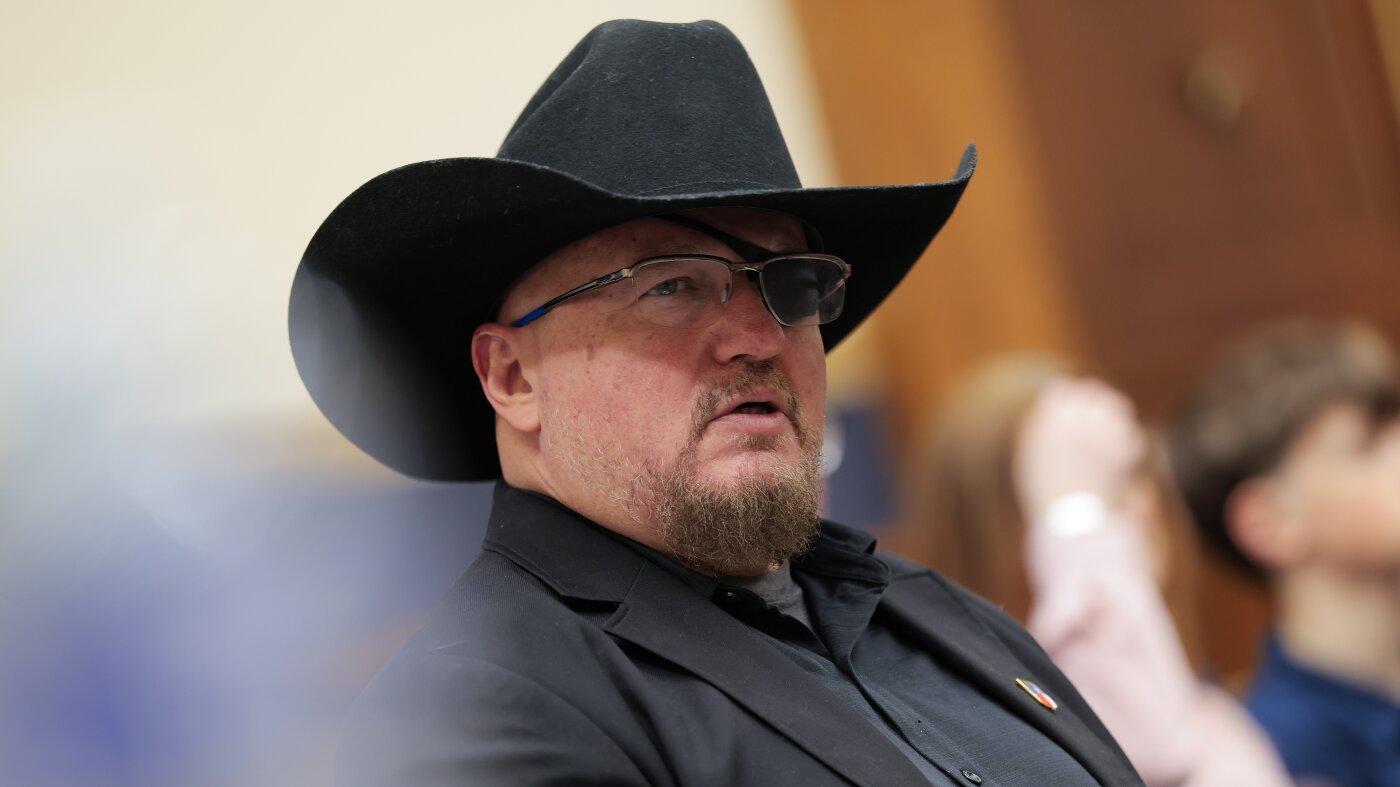
In a surprising turn of events, a federal judge has reluctantly dismissed the seditious conspiracy charges against Stewart Rhodes, the founder of the Oath Keepers, along with several of his followers. The decision comes after the Justice Department opted to withdraw from pursuing the case, despite earlier convictions.
Judge Amit Mehta, who had previously sentenced Rhodes to 18 years in prison, described him as “an ongoing threat and peril to this country” (source). The convictions were originally secured for the group’s efforts to violently disrupt government proceedings during the storming of the U.S. Capitol six years ago. However, the Trump administration moved to overturn these convictions, leading to the case’s eventual dismissal.
The dropping of this case signifies one of the concluding chapters in the efforts to hold individuals accountable for the January 6, 2021, Capitol riot. Notably, on his first day in office, President Trump pardoned nearly all individuals charged in connection with the riot, which Judge Mehta criticized as undermining the peaceful transfer of power (source).
Judge Mehta expressed his dismay, stating, “Today’s epilogue diminishes the gravity of that day, denigrates the work of the prosecutors and law enforcement officers who secured these convictions, and excuses criminal acts that caused a centuries-long pillar of our democracy—the peaceful transfer of presidential power—to buckle” (source).
The decision has been met with mixed reactions. James Lee Bright, Rhodes’ lawyer, celebrated the outcome, asserting that “Seditious Conspiracy should never have been charged,” describing it as a “thought crime.”
In the political arena, President Trump has consistently defended the Capitol rioters, suggesting they should receive taxpayer compensation. His proposal for a $1.776 billion “anti-weaponization fund” has encountered significant bipartisan opposition in Congress. Although the fund appears to be stalled, critics fear the administration might seek alternative methods to support the rioters (source).
The unraveling of the Oath Keepers case coincided with former federal prosecutors, who oversaw riot-related cases, testifying on Capitol Hill. They urged the Senate to scrutinize Trump’s judicial nominees, particularly those who refute the violence of January 6 and question the legitimacy of the 2020 election results.
Despite this, the White House stands by its nominees, asserting their qualifications and adherence to a “rigorous vetting process.” White House spokeswoman Lauren Bis stated, “Wherever there are judicial vacancies, President Trump will select highly qualified nominees with great respect for our Constitution and rule of law to be confirmed expeditiously.”
However, former prosecutor Michael Romano emphasized that recognition of the events of January 6 should not be a partisan issue. “It is not something that members of either party should have trouble with,” he remarked, criticizing the politicization of the event.
Senator Richard Blumenthal expressed concerns about nominees who avoid acknowledging the 2020 election outcome, warning, “If a judicial nominee cannot answer that basic question, refuses to speak the truth to power now, there is no guarantee that they will be independent on the bench and provide real justice to the American people.”
As the Senate, led by Republicans, continues to confirm President Trump’s lifetime-tenured judicial picks, former prosecutor Brendan Ballou cautioned against their potential influence on future election disputes. “The danger that we face with these judicial nominees is that future court cases that will determine whether our democracy continues may be people who deny the reality of January 6th,” Ballou warned.
This article was originally written by www.npr.org