Massive Sewage Spill in Maryland Highlights Infrastructure Challenges
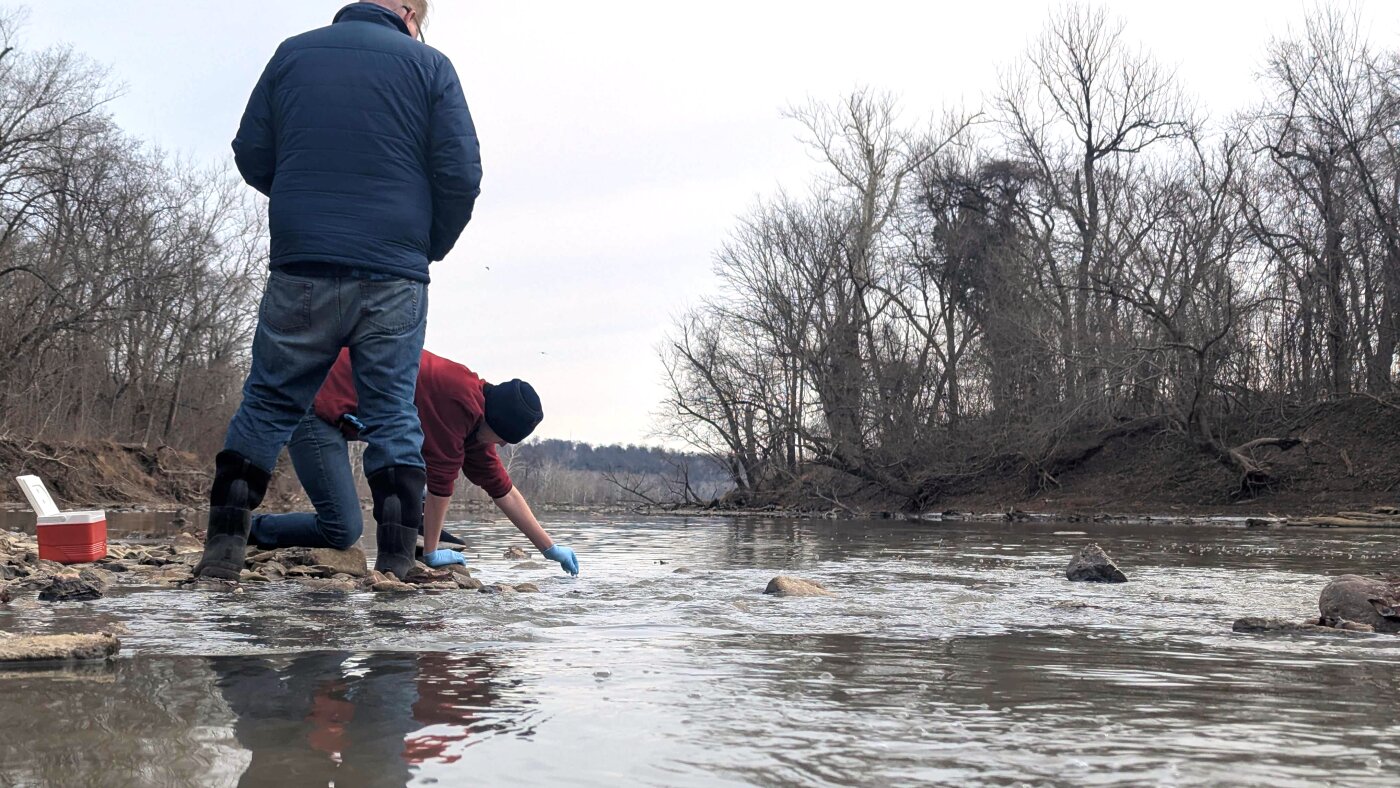
In a dramatic incident highlighting the aging infrastructure concerns in the U.S., a sewer line collapse in Maryland led to a monumental spill of over 200 million gallons of raw sewage into the Potomac River near Washington, D.C., in January. This environmental crisis has prompted extensive efforts to mitigate potential damage and raised significant concerns about the region’s infrastructure and environmental future.
DC Water, the utility managing the affected sewer line, has initiated measures to redirect wastewater, employing a system of pumps and a steel bulkhead to bypass the damaged section, allowing repair work to commence. Although the drinking water supply remains unaffected, experts warn of possible severe impacts on the Potomac River watershed, which extends to the Chesapeake Bay.
Gary Belan, senior director of the clean water program at American Rivers, emphasized the potential environmental hazards posed by the spill, stating, “There’s a ton of nasty stuff in raw sewage. It’s not just waste and bacteria, but you have all sorts of pharmaceuticals that end up in the pipe system.” Such pollutants can harm aquatic life and contaminate the riverbed, impacting fish, birds, and other wildlife.
Infrastructure Under Pressure
The Potomac incident is one of the largest sewage spills in U.S. history, underscoring a persistent issue facing communities nationwide, notes Gussie Maguire, a Maryland staff scientist at the Chesapeake Bay Foundation. Combined sewer systems, which handle both stormwater and wastewater, frequently overflow during heavy rains, a problem exacerbated by rapid population growth and climate change.
Maguire points out, “The intensity is a really important part of it… It is absolutely a climate problem that will continue to get worse.” As climate change leads to more intense storms, existing sewer systems are increasingly overwhelmed, leading to incidents like the Potomac spill.
While the exact cause of the sewer line’s failure remains undetermined, DC Water had previously identified corrosion in the 1960s-era pipe and planned to rehabilitate damaged sections. Now, with elevated levels of bacteria like E. coli detected at the spill site, there are concerns about the potential for algae blooms as temperatures rise, which could further harm aquatic ecosystems.
Community and Environmental Impacts
Dean Naujoks, Potomac riverkeeper and environmental advocate, warns of the spill’s potential long-term effects on local communities and recreational activities along the river. The challenge, he asserts, is in restoring public confidence in the river’s safety: “What are we going to do to bring people back and reassure them that the river’s safe again?”
The far-reaching consequences of the spill extend to the Chesapeake Bay, a critical ecosystem that has been the focus of pollution reduction efforts for decades. Naujoks expresses concern about the spill’s impact, stating, “This is not only a blow to the Potomac River, but a blow to the Chesapeake Bay.”
Calls for Federal Support and Infrastructure Investment
In response to the crisis, D.C. Mayor Muriel Bowser has sought federal disaster assistance, including financial support for DC Water. The Environmental Protection Agency (EPA) has pledged its commitment to support ongoing response efforts, highlighting the need for improved coordination and infrastructure investment.
According to DC Water’s chief executive, David Gadis, the incident “underscored a broader reality facing utilities across the country: much of the infrastructure that protects our waterways was built decades ago, long before today’s environmental standards, population growth, and climate pressures.” The call for investing in infrastructure is echoed by many, including Mike Gerel of the Chesapeake Bay Foundation, who argues for the importance of modernizing crucial systems to prevent future incidents.
This article was originally written by www.npr.org