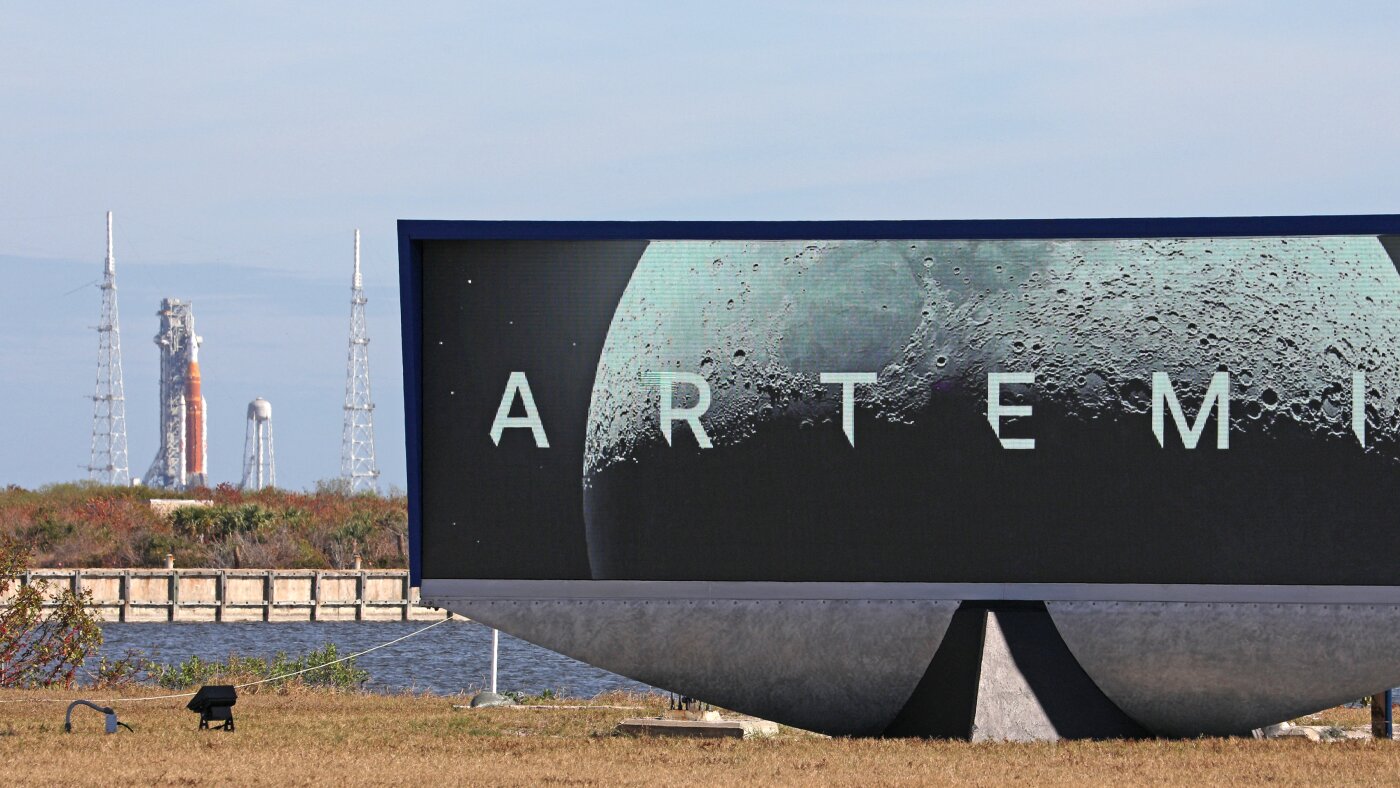
NASA Faces Potential Delays for Artemis II Moon Mission Due to Technical Issues
Aiming for a monumental return to lunar exploration, NASA’s plans for the Artemis II mission could face setbacks. Scheduled for a March 6 launch, the mission now encounters potential delays due to unforeseen rocket complications.
The Artemis II mission, a decade-long effort by NASA, is meant to carry four astronauts on a 10-day journey around the moon. This would mark humanity’s first lunar return since the historic Apollo 17 mission in 1972. However, NASA revealed that all March launch dates might be in jeopardy due to issues observed at the Kennedy Space Center.
In an official blog post, NASA described a critical “interrupted flow of helium” affecting the rocket’s performance. The organization is considering moving the Artemis II rocket back to the Vehicle Assembly Building for further examination. According to the space agency, teams are diligently analyzing data and working towards resolving the issue swiftly.
If the rollback is necessary, this would remove the five potential March launch dates from NASA’s schedule, although six alternatives in April remain available. The exact cause of the helium flow interruption is still under investigation, with NASA drawing comparisons to similar challenges encountered during the uncrewed Artemis I mission in 2022.
Optimism was high following the second “wet dress rehearsal,” with Lori Glaze, acting associate administrator for NASA’s exploration systems development mission directorate, stating, “This is really getting real. It’s time to get serious and start getting excited.”
Despite the optimism, recent tests revealed a liquid hydrogen leak, among other issues during fueling. NASA reports that corrective measures, including seal replacements, have resolved these problems. The recent countdown rehearsal was mainly successful, despite minor hiccups such as a temporary loss of ground communications at the Launch Control Center.
NPR’s Nell Greenfieldboyce contributed reporting.
This article was originally written by www.npr.org