
NIH Research Grants Freeze Causes Controversy in Maine
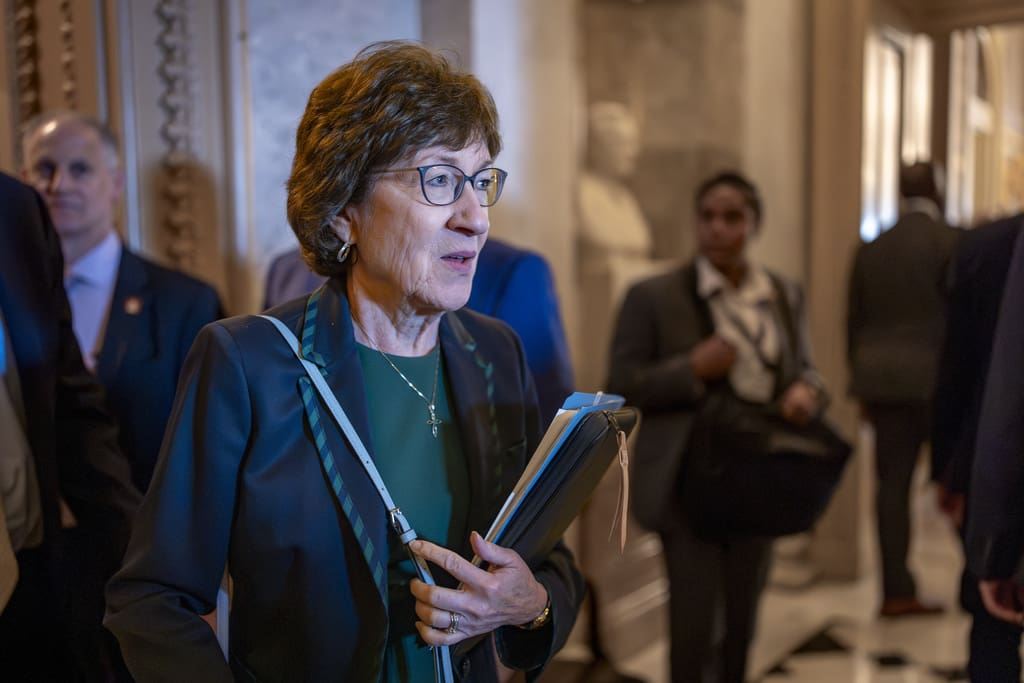
Senator Susan Collins (R-ME) recently voted against a proposal to reinstate medical research grants in Maine, despite having previously advocated for their restoration with the White House. This has sparked debate and concern among the state’s research community.
The Office of Management and Budget (OMB) initiated a freeze on $1.5 billion in National Institutes of Health (NIH) grants on January 28. This freeze impacted a $323,000 grant for rural health care research in Maine and $1.5 million allocated to the Mount Desert Island Biological Laboratory in Bar Harbor.
Dr. Clifford Rosen highlighted the importance of these funds in the Portland Press Herald, stating, “Here in Maine, we do first-class biomedical research that saves lives and produces new breakthroughs in cancer, osteoporosis, cardiovascular disease and Alzheimer’s. I can unequivocally state that loss of indirect revenues through these cuts will have a chilling effect on our Maine research enterprise.”
The funding freeze affects both NIH-awarded grants and those appropriated by Congress. In response, several lawsuits, including one joined by Maine Attorney General Aaron Frey, have been filed to challenge the freeze. Some court rulings have resulted in the restoration of hundreds of research grants, though the White House has appealed several decisions, leading to uncertainty about the status of many grants.
In an effort to address the situation, Collins and her fellow Republicans on the Appropriations Committee sent a letter on July 24 to OMB Director Russell Vought, requesting the release of NIH grants appropriated by Congress.
Subsequently, an internal OMB memo suggested the release of the appropriated grants, albeit partially and with new restrictions on fund usage. This development has further complicated the situation regarding NIH grants.
Shortly thereafter, Senator Dick Durbin (D-IL) proposed an amendment to the 2026 budget to fully restore the frozen grants. All Republican members of the Appropriations Committee, including Collins, opposed the amendment.
During the discussion, Durbin emphasized the impact of the freeze, stating, “Nine hundred NIH awards to Northwestern have been frozen or terminated. This includes research into the world’s smallest pacemaker for newborns with a congenital heart defect. That is the number one congenital heart illness that infants face in America.”
The Government Accountability Office has since concluded that the Trump administration violated the law by enacting the funding freeze.
Collins, the sole Republican senator from a state that President Donald Trump lost in 2024, previously voted to confirm Vought as OMB Director, despite his role in Project 2025, which recommended NIH cuts.
As Collins anticipates a sixth term in the Senate, she is considered one of the most vulnerable Republican incumbents.
The post Collins votes against restoring Maine’s NIH research grants appeared first on American Journal News.
—
Read More Kitchen Table News