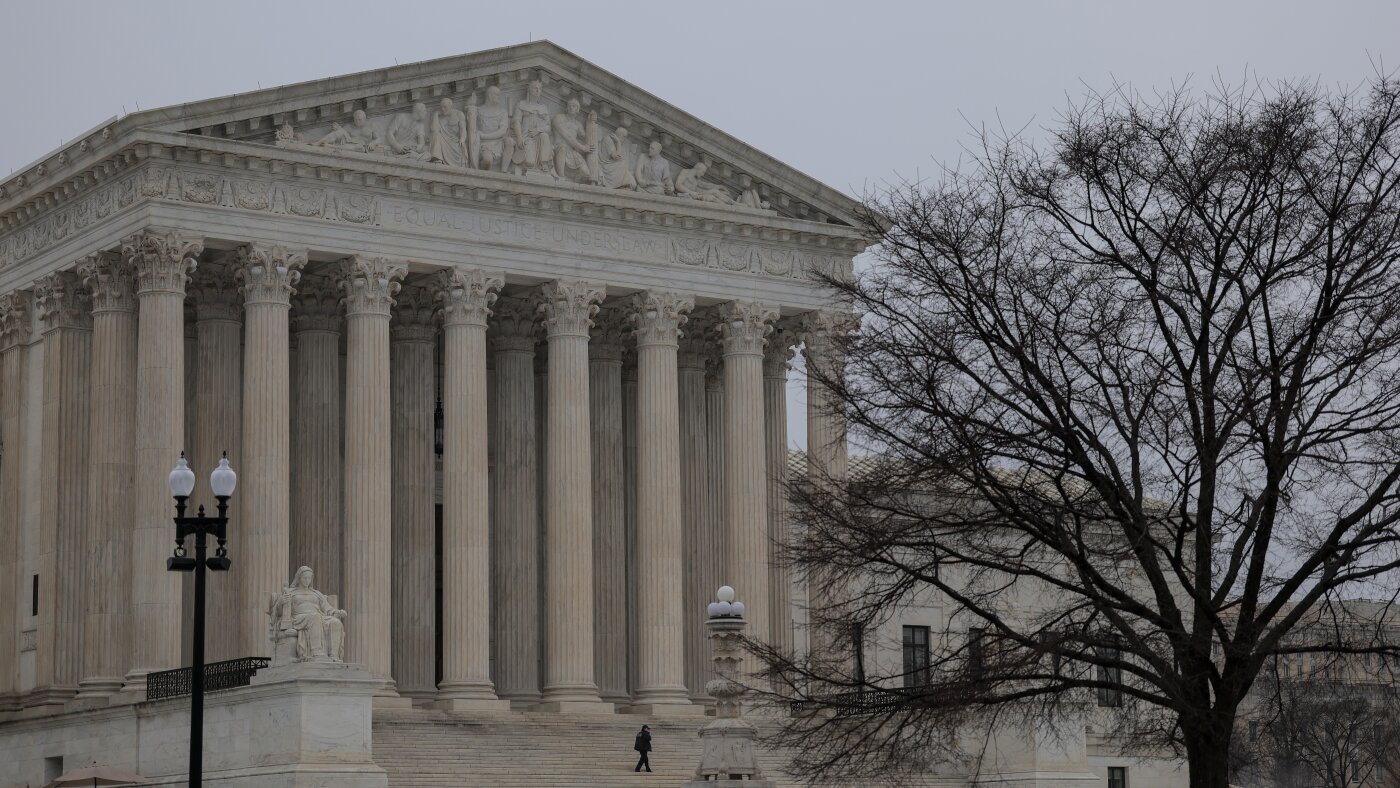
Supreme Court Examines Property Seizure in Tax Dispute
The Supreme Court is deliberating a complex case that juxtaposes the rights of property owners against the government’s ability to collect unpaid taxes. The central question is whether a county can confiscate a home for overdue property taxes and sell it at auction for less than homeowners might secure through a traditional sale.
In a 2023 ruling, the Supreme Court established that when a government entity sells a foreclosed property to collect back taxes, any proceeds exceeding the tax debt must be returned to the taxpayer. However, property rights advocates are now pushing for even greater compensation, arguing that delinquent taxpayers should receive the fair market value of their property, not just the auction price.
The case involves the estate of Timothy Pung. After his passing, his family remained in the home without settling the estate for over a decade. In 2012, Isabella County, Michigan, informed the estate executor of an outstanding $2,000 in back taxes. A protracted legal battle ensued, culminating in state and federal courts upholding the foreclosure sale of the house for $76,000. The family received the proceeds after deducting the tax debt and interest.
The homeowners have appealed to the U.S. Supreme Court, claiming that the property’s market value was $194,000, which it sold for nearly two years after the auction. During Tuesday’s proceedings, the justices expressed difficulty understanding how a relatively minor tax debt led to such drastic consequences.
Chief Justice John Roberts questioned, “If you’re satisfied with the fairness of the process and it comes out with something below what you think is fair market value, is that just too bad?” This inquiry was directed at Pung’s attorney, Philip Ellison.
Ellison proposed that the county could have targeted less valuable assets, sparking a dialogue with Justice Samuel Alito.
Justice Alito asked, “What sorts of personal property do you think the government has to go after first before it goes after the house?” Ellison replied, “Well, in this case, with a tax debt of about 2200 bucks, it could have been the Peloton bike that was in the house.” Alito humorously retorted, “You think a Peloton bike today is worth $2,000?” resulting in laughter from the courtroom.
Justice Ketanji Brown Jackson showed little sympathy for the homeowners, stating, “If Mr. Pung wanted to get the maximum value of the house … to cover that debt, he could have sold it himself and gotten the fair market value.”
Justice Amy Coney Barrett echoed skepticism, commenting, “It seems to me pretty … dangerous road to go down for us to say that those things would be constitutionally required when they were neither pressed nor passed upon below.”
Conversely, Justices Neil Gorsuch and Sonia Sotomayor suggested there might be an issue with the current process.
Assistant Solicitor General Frederick Liu, defending the county, faced a query from Justice Elena Kagan about the implications if counties had to pay the fair market value. Liu cautioned that it “would spell the end of tax sales in America,” and emphasized, “It hurts other taxpayers who are actually paying their taxes because the shortfall has to come from real taxpayers.”
The Court is expected to render its decision by the summer.
This article was originally written by www.npr.org