Wisconsin Tragedy Sparks Debate on Older Driver Safety Regulations
In the serene town of Green Lake, Wisconsin, an idyllic day turned tragic when 12-year-old Emmet Zodrow was fatally struck by a vehicle driven by an elderly motorist. This incident has reignited discussions on the safety protocols surrounding older drivers.
Angela Zodrow received a call from her husband with devastating news: their son Emmet had been involved in a severe accident. “He said, ‘You need to get here.’ And I was like, ‘Really? Okay, is it bad?’ He said, ‘Yeah. Yeah. It’s bad,'” Angela Zodrow recounted. The accident occurred as Emmet was biking near the local library, a place he frequently visited.
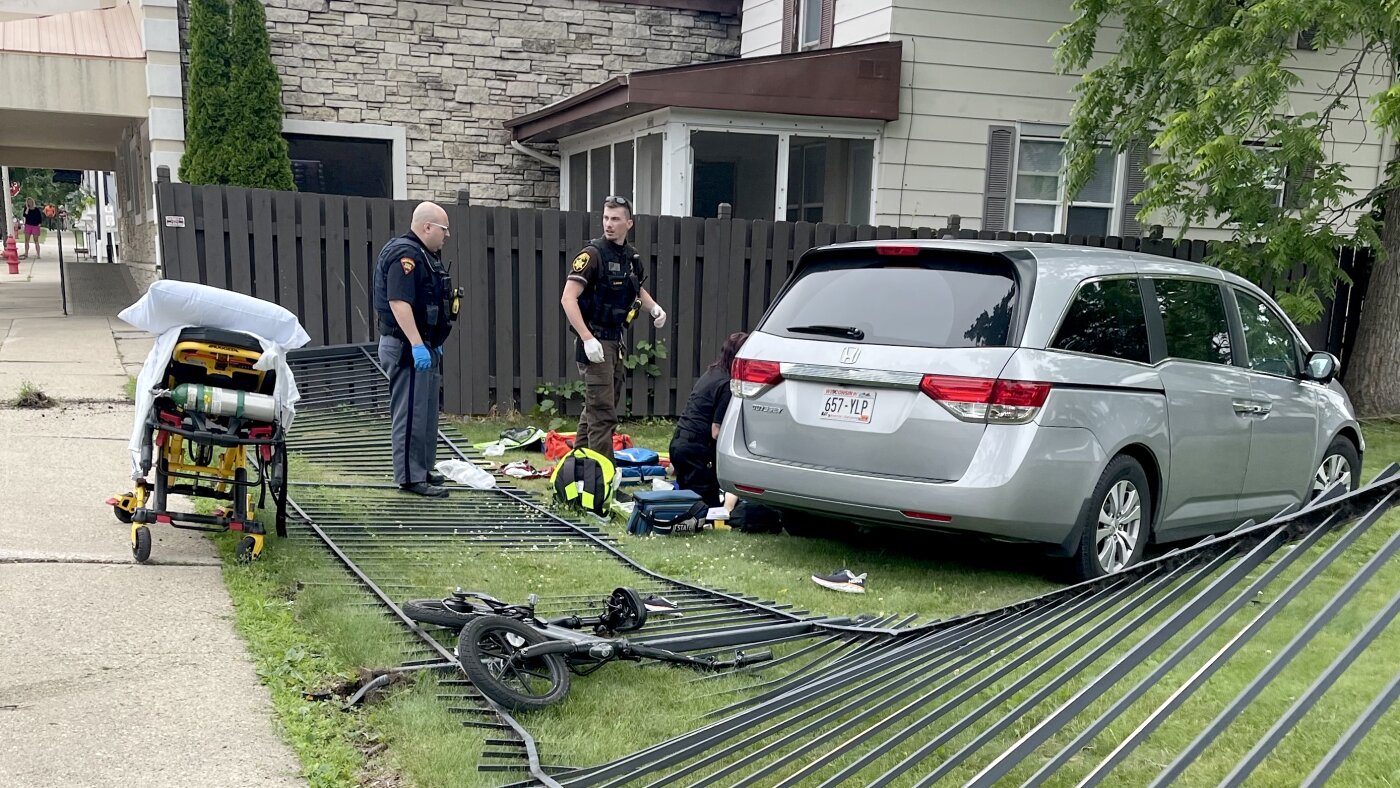
The vehicle, a silver minivan driven by 85-year-old Jean Woolley, mistakenly accelerated instead of braking, leading to the tragic incident. “I put the brake on, and it was the accelerator. And then I panicked and pushed it harder,” Woolley explained in body-cam footage released to NPR. Although deemed a “tragic accident” by Woolley’s lawyer, she faced fines but no criminal charges.
Emmet’s family is now advocating for legislative changes in Wisconsin to address the gap in driver testing for seniors, who can renew their licenses every eight years without stringent checks. Angela Zodrow expressed concern over the current system, stating, “We’re letting them just renew their driver’s licenses without any checks on them. If you say you’re fine, we believe you’re fine.”
Assessing the Balance: Safety and Independence
Anne Dickerson, director of the Research for Older Adult Driver Initiative at East Carolina University, emphasized the complexity of setting a uniform age for additional testing. “We have to be careful not to overreact, because it’s not every older driver,” she noted, pointing out that many seniors remain safe drivers into their late years.
Data from the Insurance Institute for Highway Safety indicates that crash rates for older drivers have decreased despite an increase in their numbers. However, crash rates rise for those over 80. “There are more licensed older drivers who drive more miles than in the past, but their crash rates have decreased,” said Aimee Cox, a research scientist at the institute.
Yet, the issue of when to implement additional tests remains contentious. Philippe Largent of AARP Illinois argues that driving ability should determine licensing, not age. “Seniors should not be subjected to additional licensing requirements just because they had a birthday,” said Jeff Keicher, an Illinois state representative.
Policy Changes and Research Findings
Several states have amended their relicensing rules, with Illinois recently raising the age for mandatory driving tests to 87. Research by Cara Hamann at the University of Iowa highlights a rise in crash rates among older drivers in states with relaxed relicensing policies. “We are seeing increases in injury rates and crash rates with some of these policies loosening,” Hamann observed.
While the debate continues, Angela Zodrow remains steadfast in her mission to prevent similar tragedies. “Yes, maybe it is a little difficult or inconvenient. I’m sorry about your inconvenience,” she stated. “It’s harder to live without my son.”
This article was originally written by www.npr.org